Alcohol treatment centers Maryland
This guide maps the alcohol treatment centers Maryland residents find in federal listings. It covers 422 facilities statewide, drawn from SAMHSA FindTreatment.gov and dated November 1, 2026. Each entry shows services and payment options so you can compare calmly.
- facilities on list
- 73
- towns
- 41
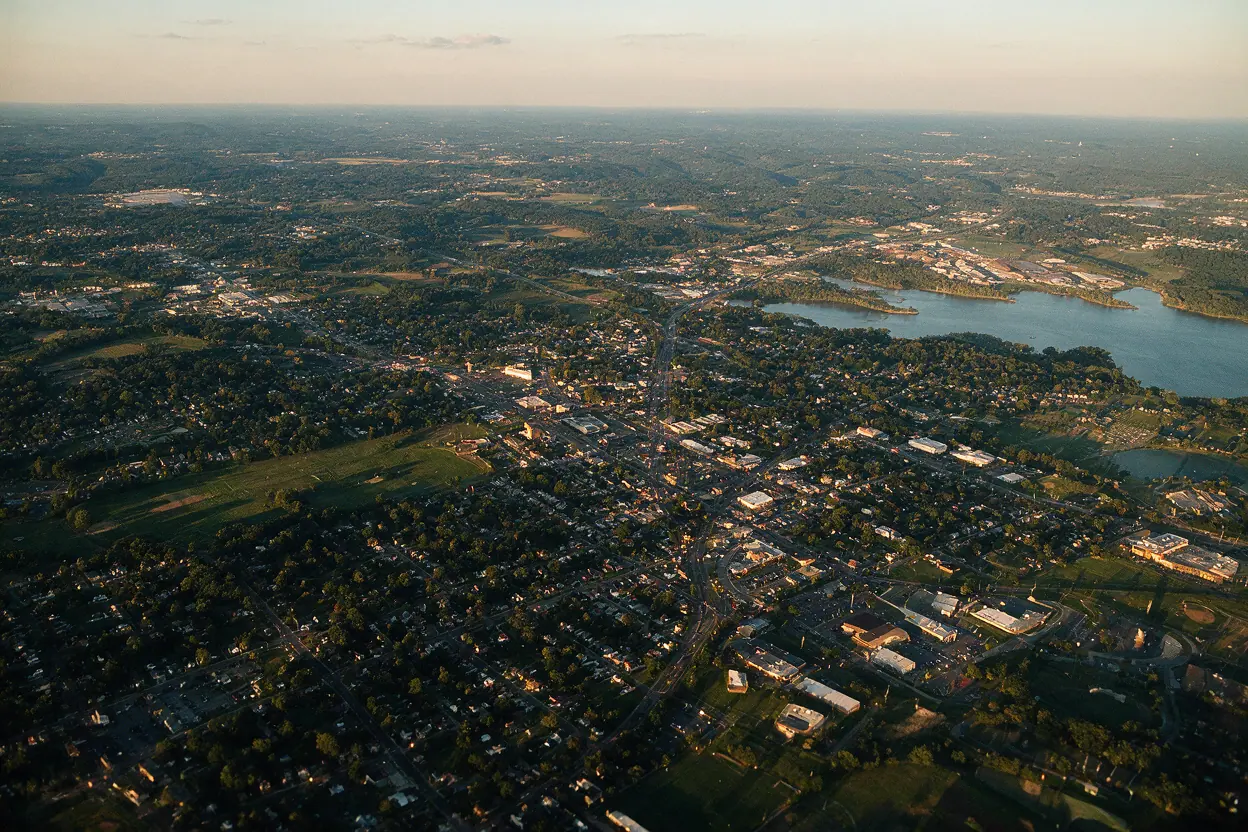
73 centers
-
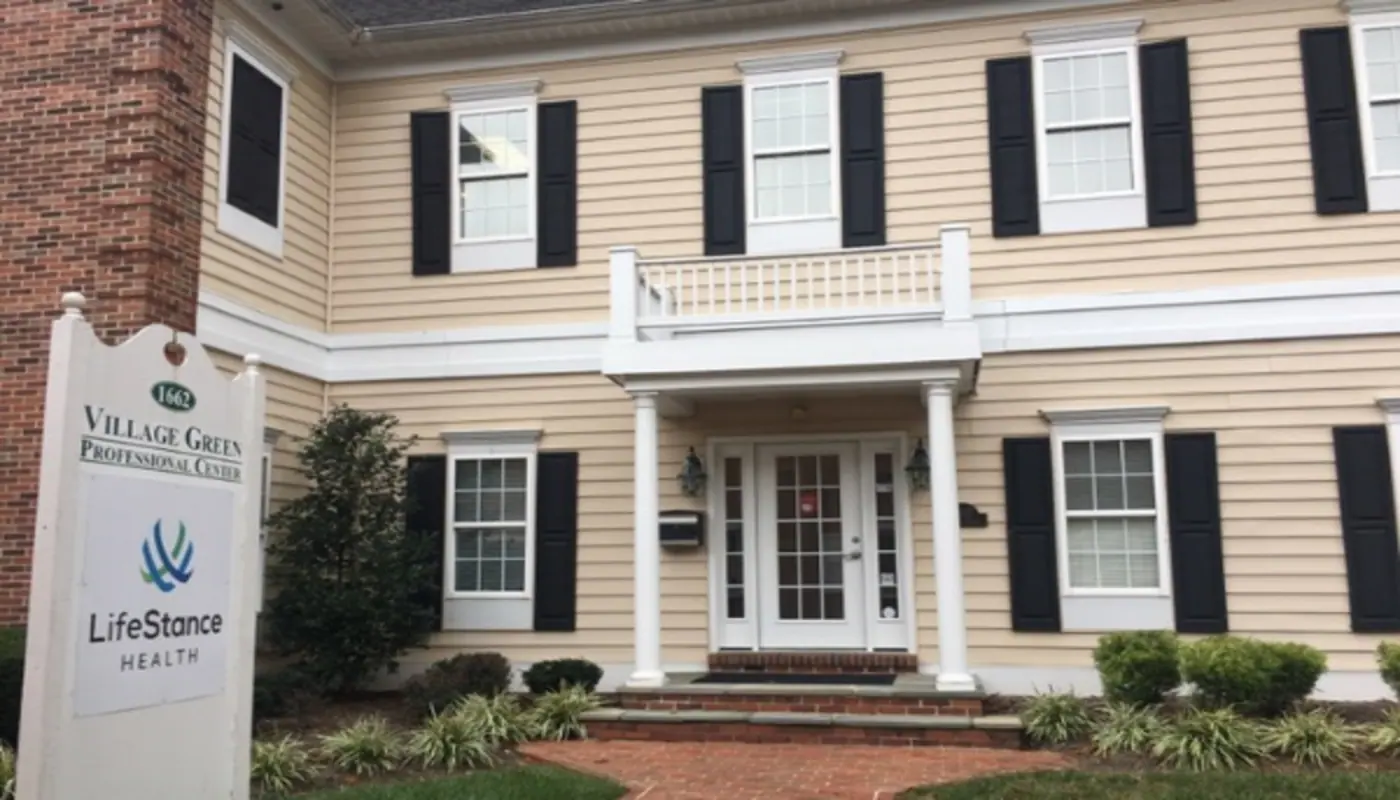
lifestance health crofton is an outpatient mental health and addiction treatment clinic.
30 days
View facility -
- Outpatient
- Residential Rehab
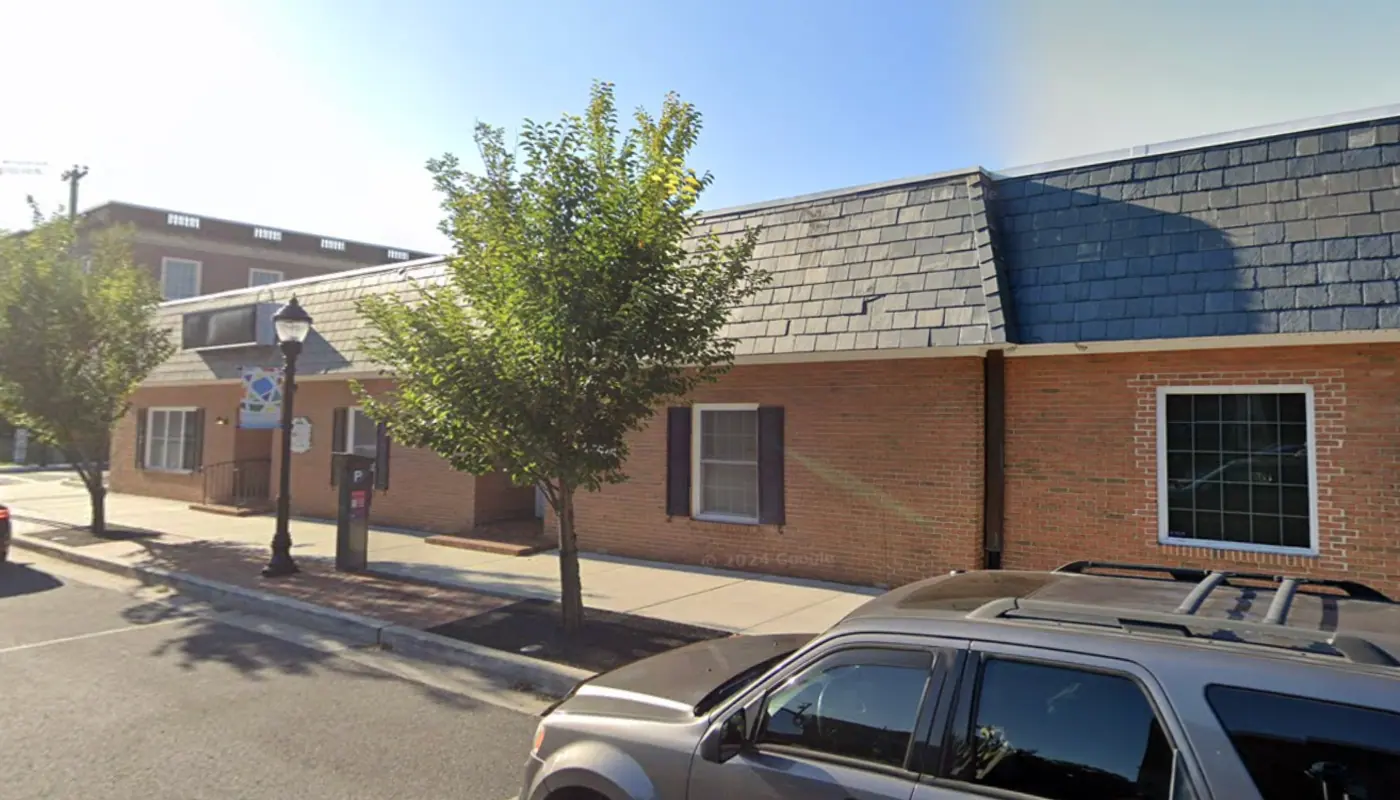
HealthPort Salisbury is a Maryland rehab center offering residential and outpatient care.
30 days
View facility -
- Outpatient
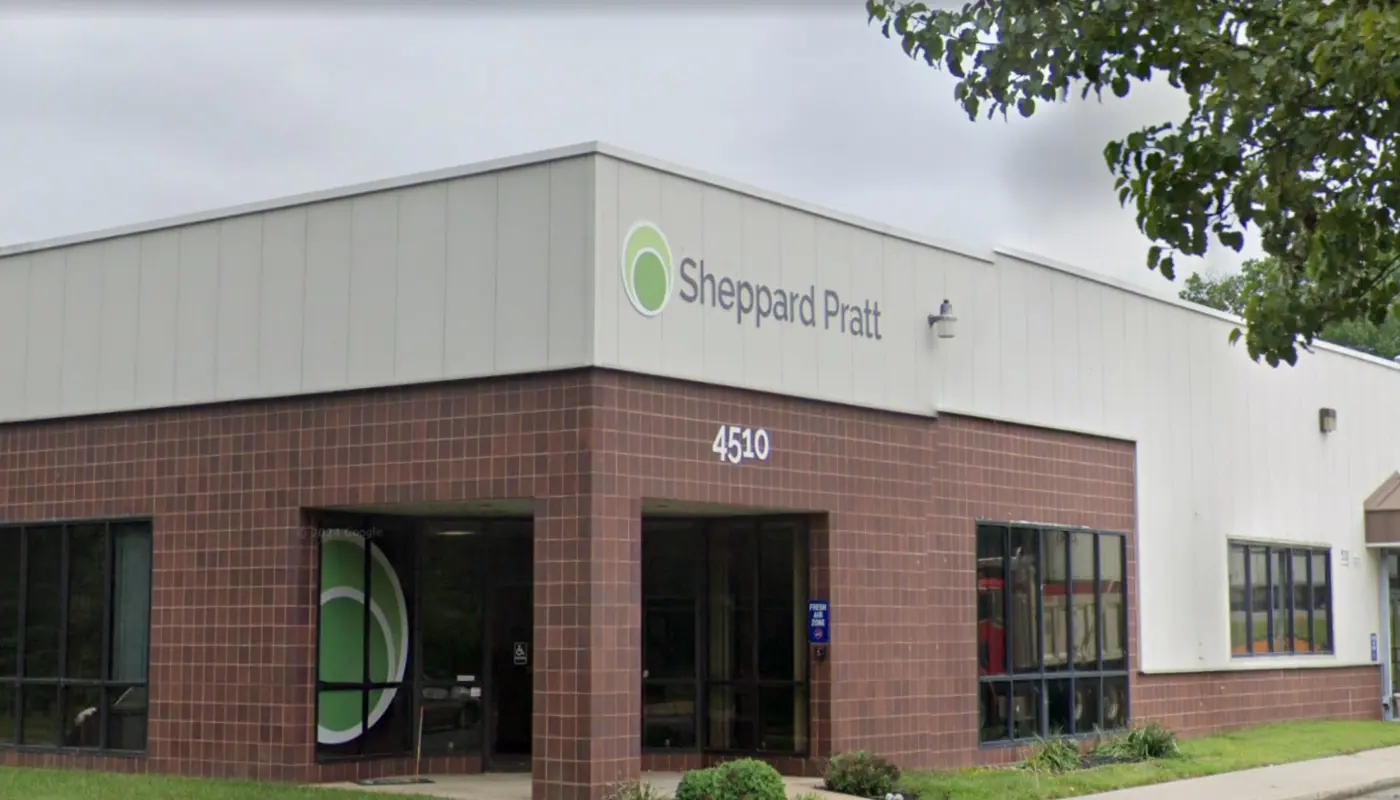
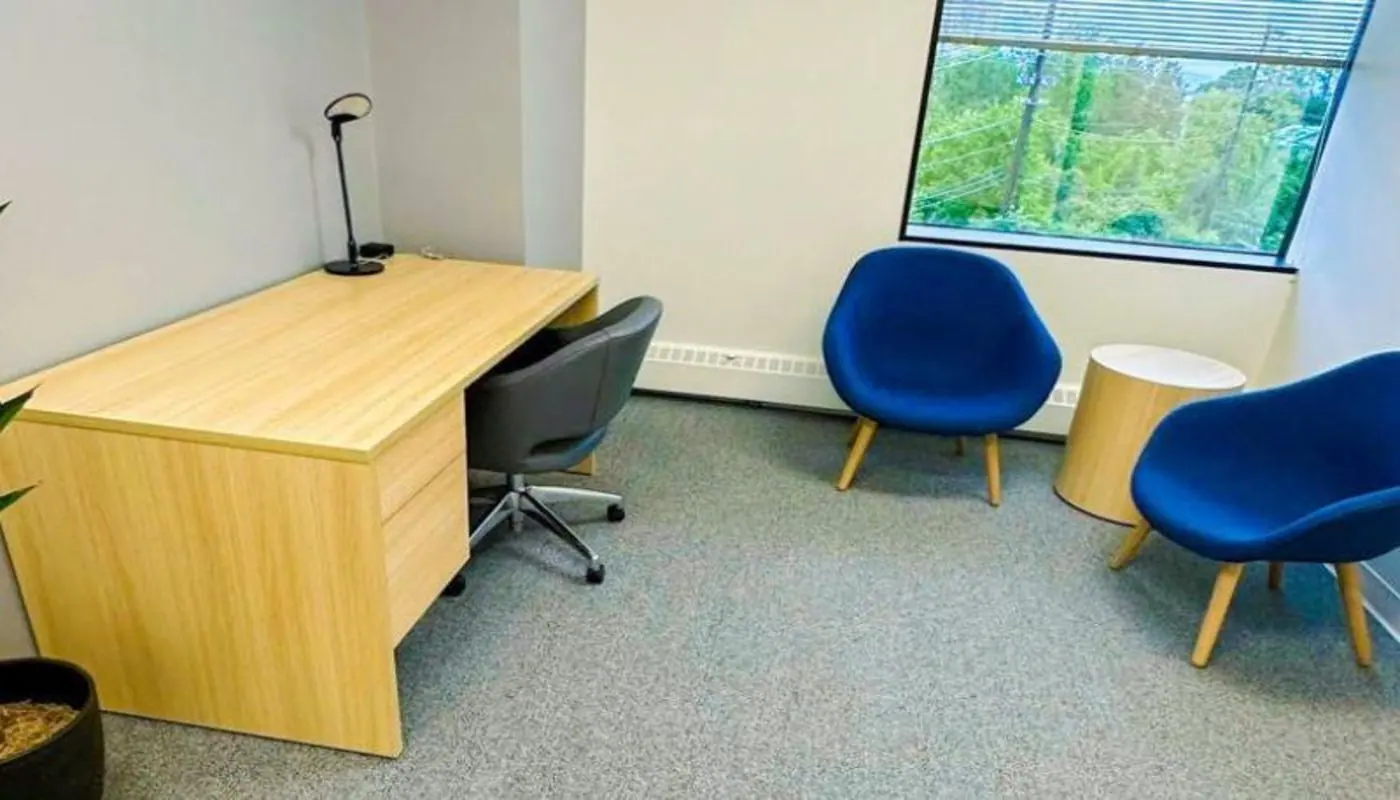
The Sheppard Pratt Belcamp Day Program Belcamp is an outpatient option on Wharf Point Court.
5 days
View facility -
- Co-Occurring Mental Health
- Outpatient
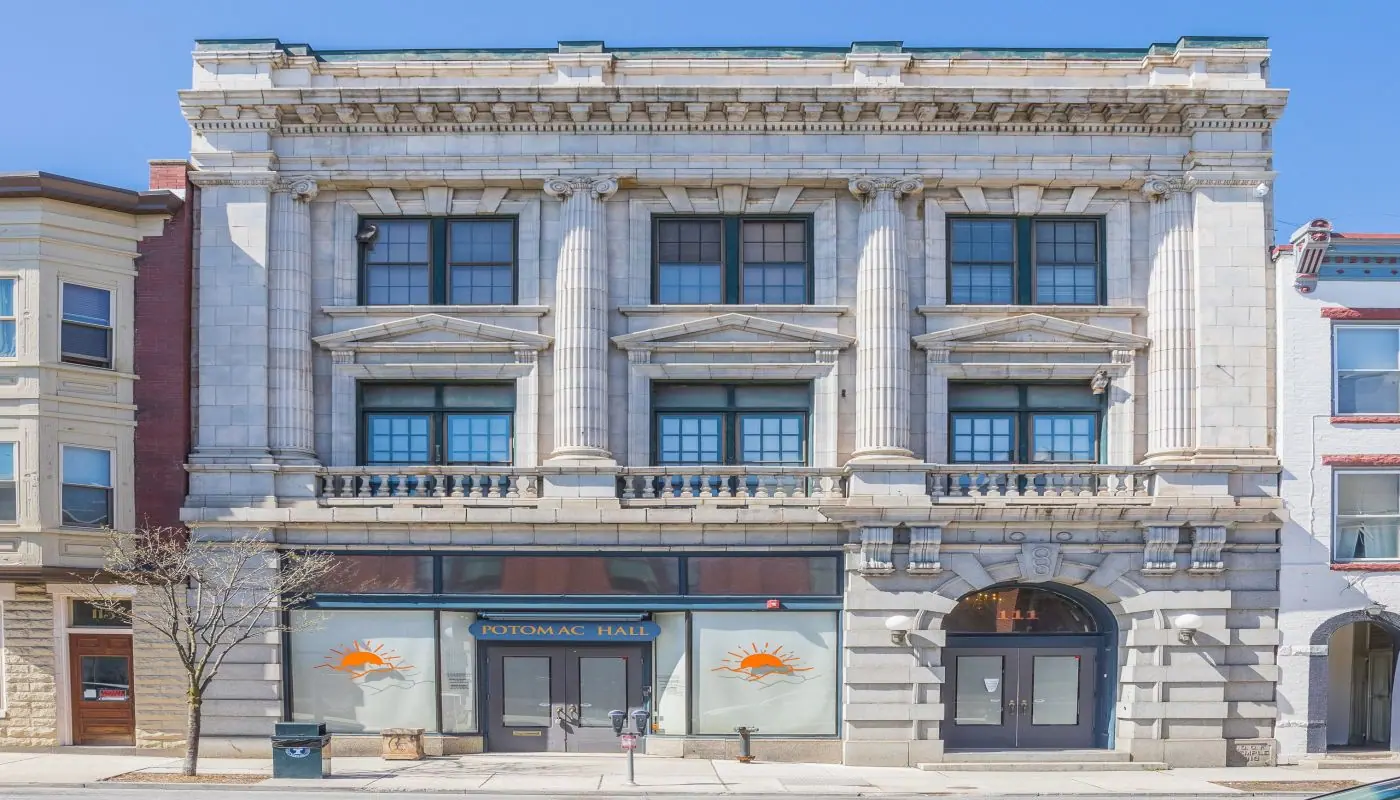
Columbia Associates North Bethesda Rockville provides outpatient alcohol rehab in Rockville, Maryland.
30 days
View facility -
- Accredited by the Joint Commission
- Co-Occurring Mental Health
- Outpatient
- Residential Rehab
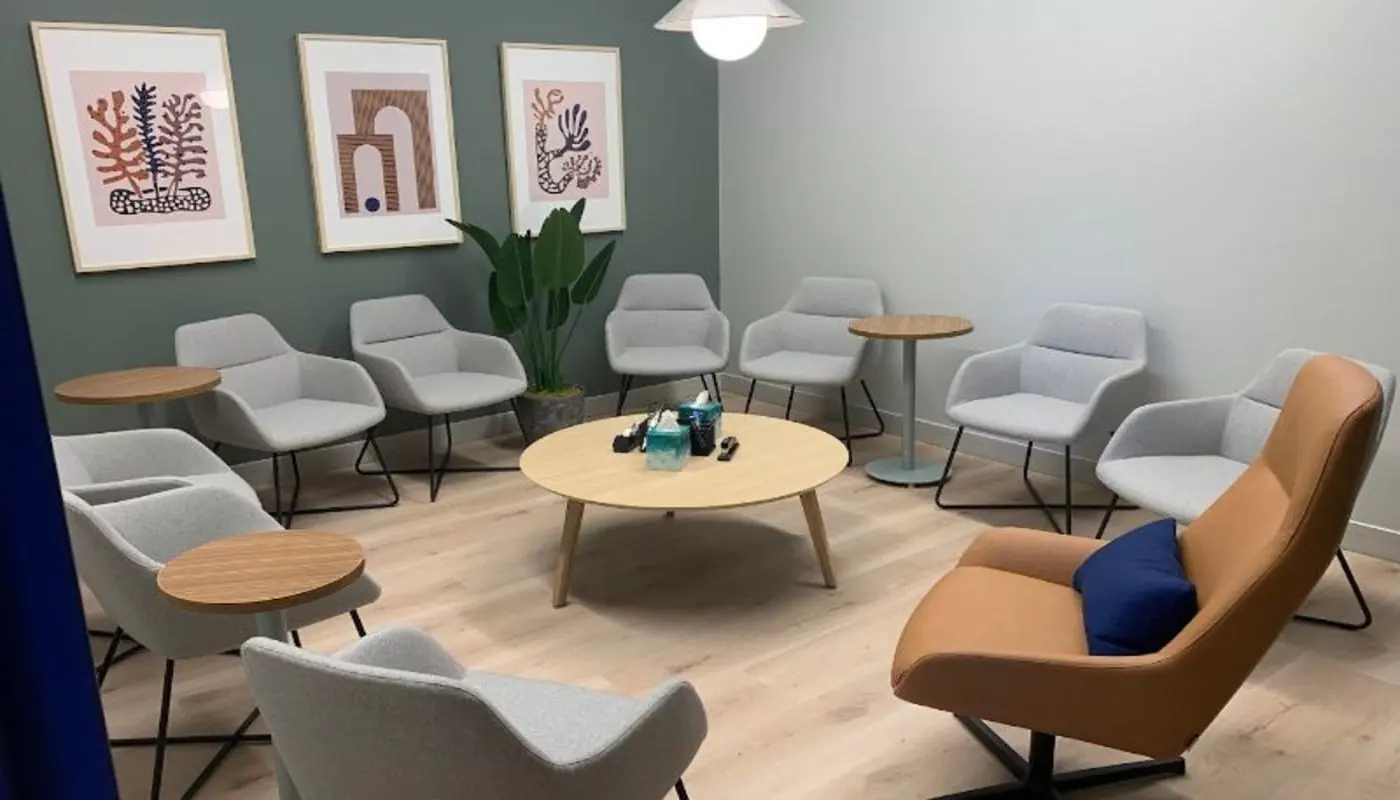
TruHealing Hagerstown is a residential alcohol rehab located in Hagerstown, MD.
30 days16-30 beds
View facility -
LifeStance Health Annapolis is an outpatient clinic for alcohol and mental health concerns.
30 days
View facility -
- Accredited by the Joint Commission
- Co-Occurring Mental Health
- Outpatient
- Detox
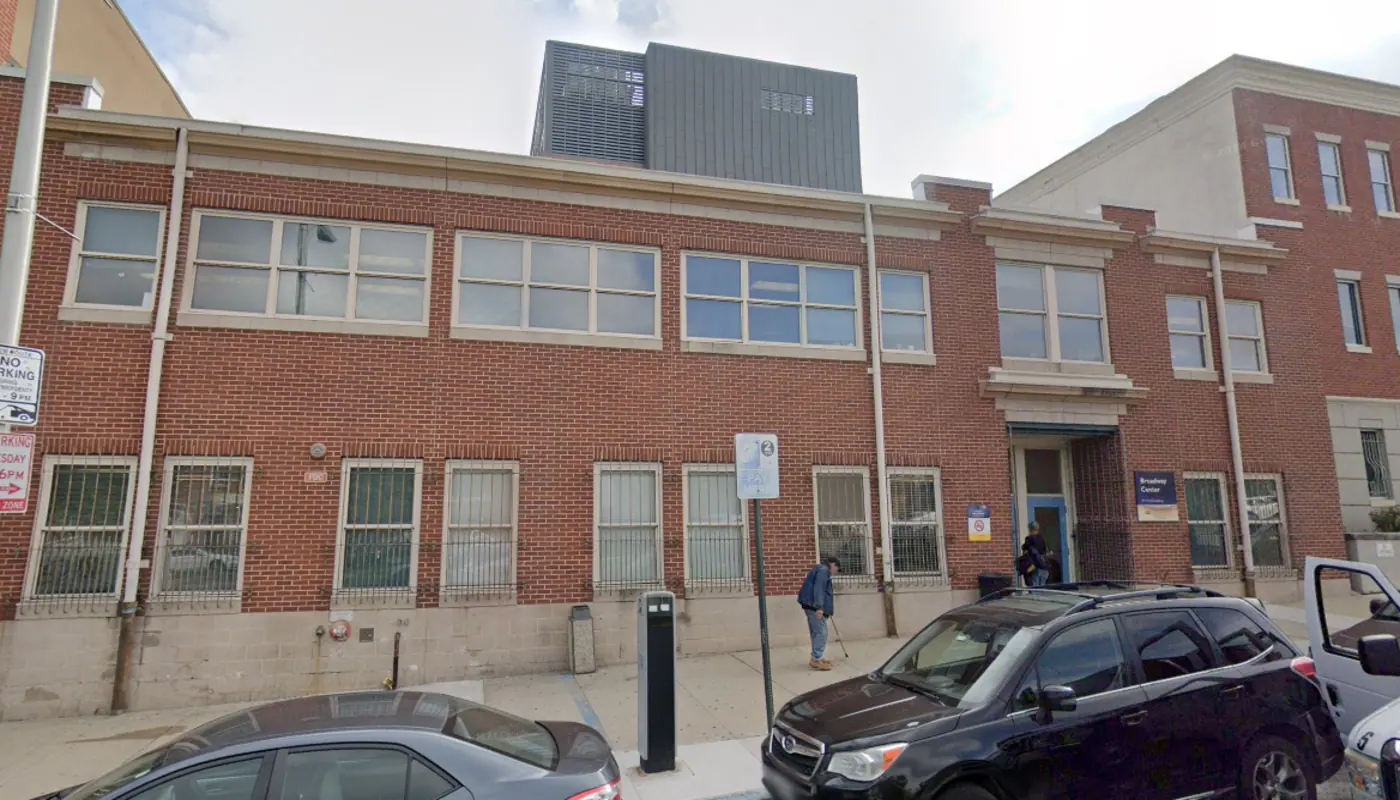
The Johns Hopkins Hospital Broadway Center Baltimore offers outpatient detox and intensive outpatient care.
30 days
View facility -
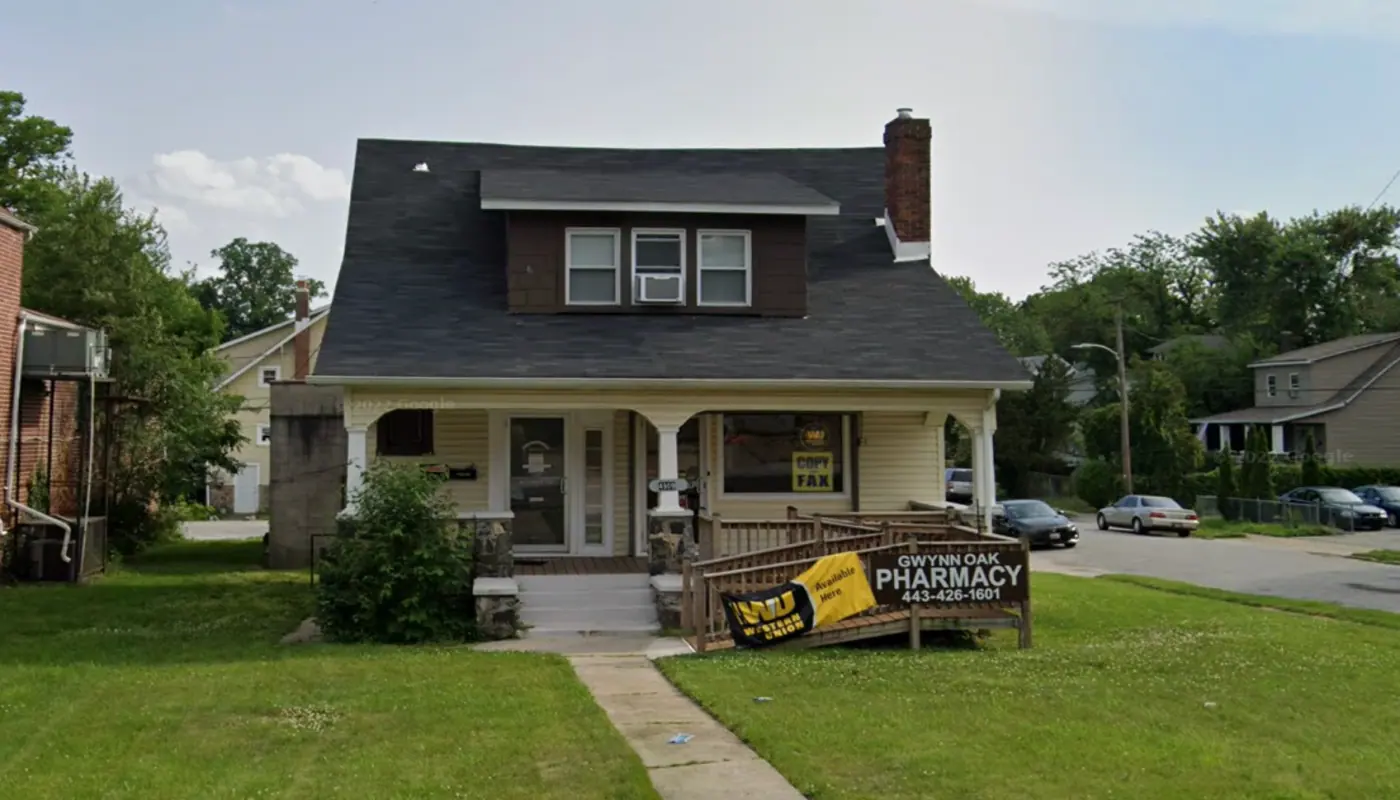
Therapeutic Wellness Services
Gwynn Oak, MD
- Outpatient
Therapeutic wellness services Gwynn Oak describes the outpatient care at West Side.
30 day
View facility -
- Co-Occurring Mental Health
- Outpatient
- Detox
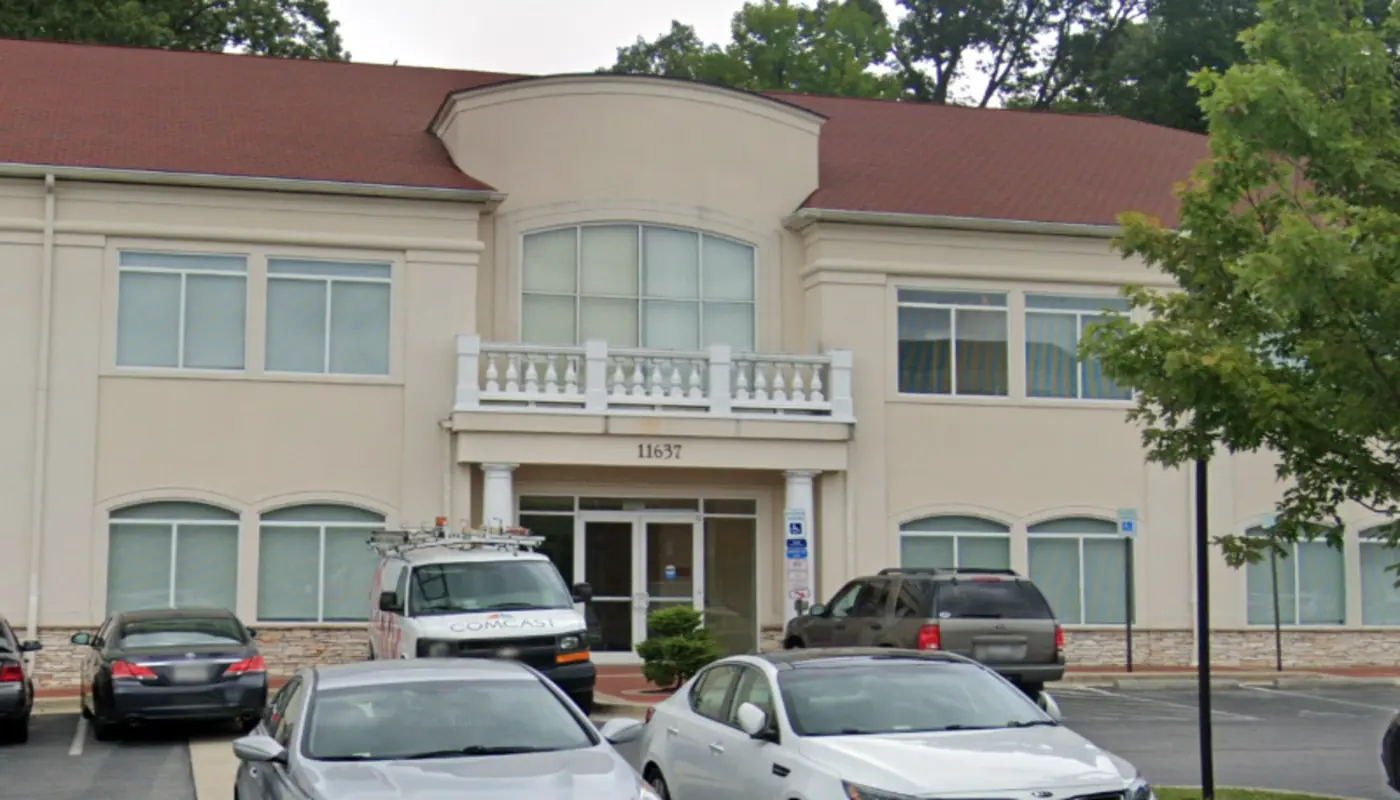
K&I Healthcare Services Waldorf is a program located in Waldorf, Maryland that provides outpatient and residential care.
30+ days
View facility -
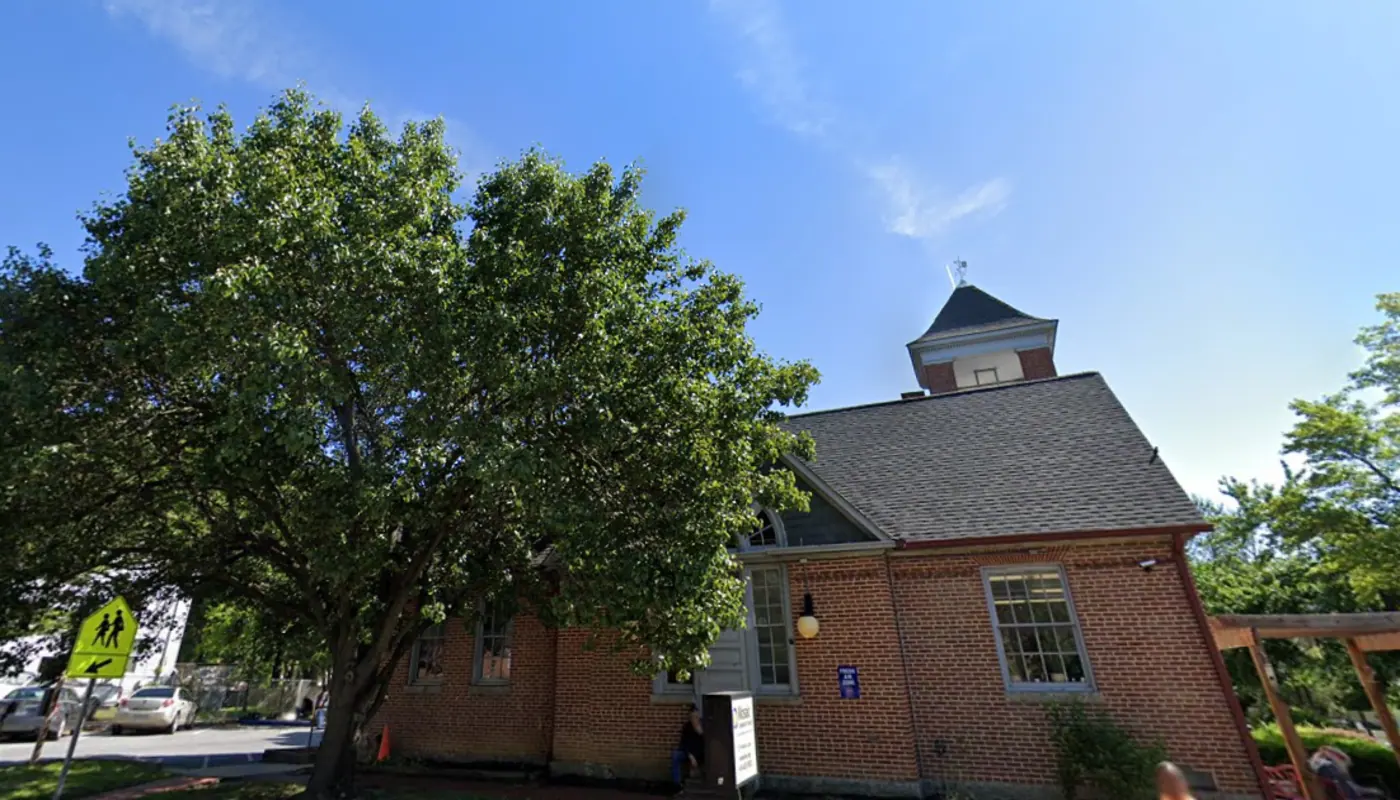
Sheppard Pratt Catonsville Day Program
Catonsville, MD
- Outpatient
Sheppard Pratt Catonsville Day Program Catonsville is an outpatient psychiatric program for adults with serious mental health conditions.
5 days
View facility -
- Co-Occurring Mental Health
- Outpatient
- Detox
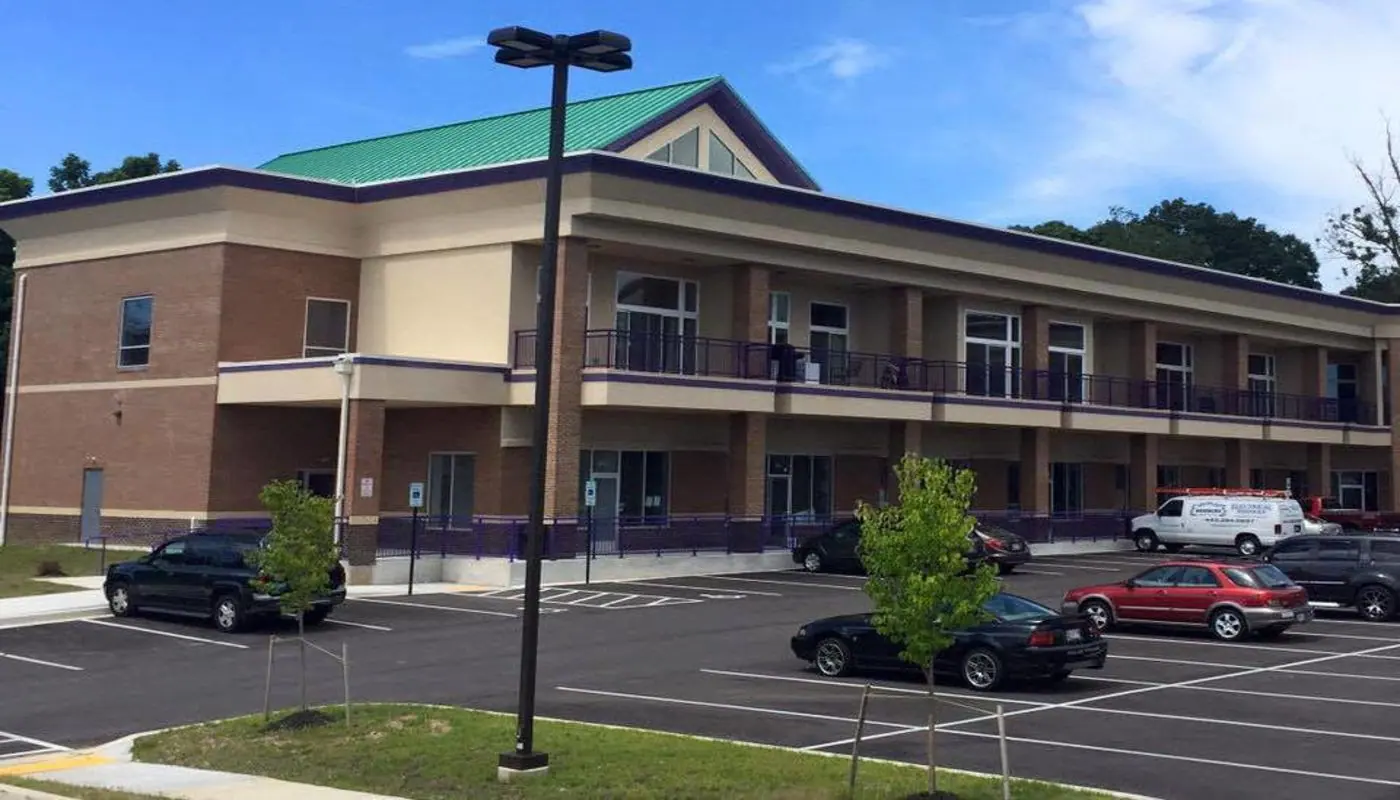
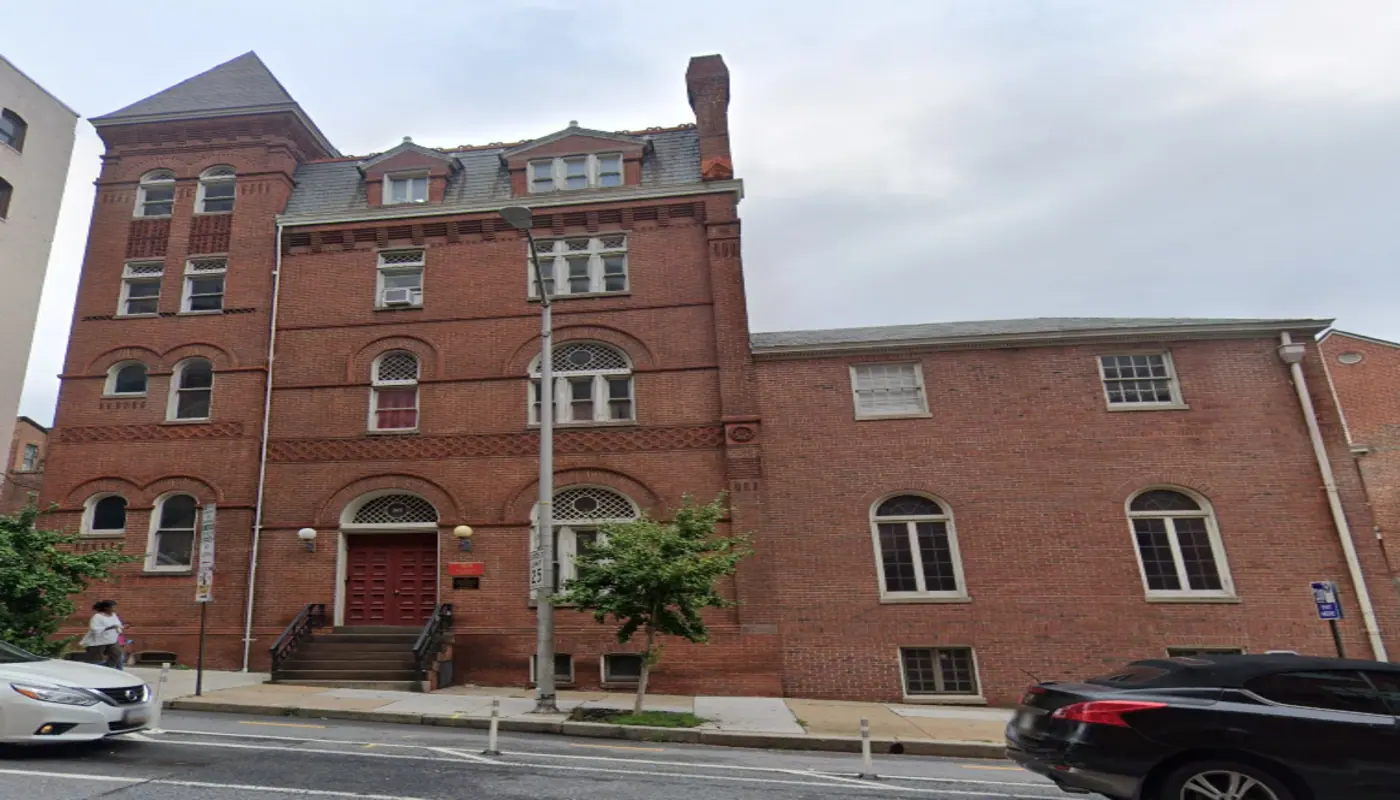
Right Turn IMPACT Treatment Center Eldersburg offers education for people with DUI charges and early help for those showing the first signs of trouble with alcohol or drugs.
30 days
View facility -
- Co-Occurring Mental Health
- Outpatient
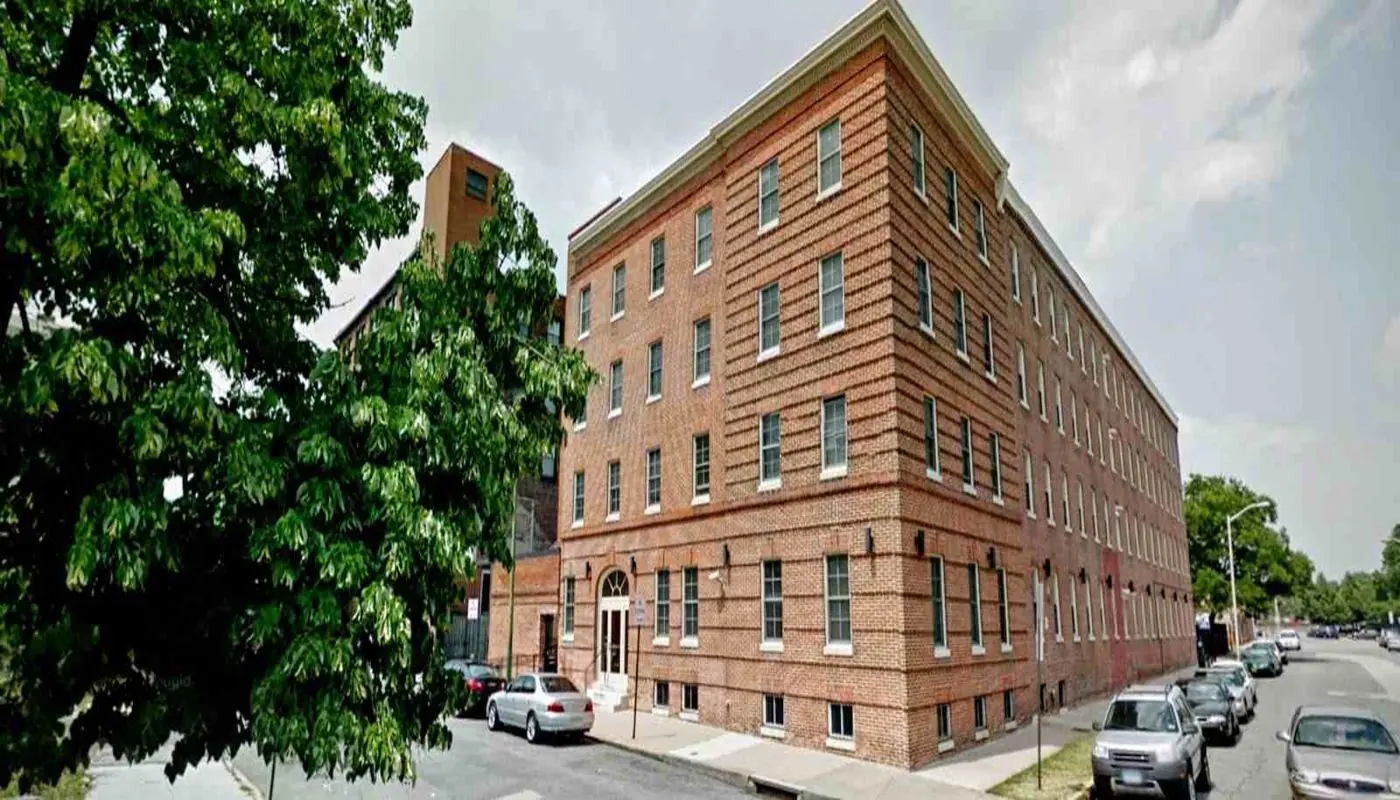
complete wellness recovery Baltimore provides intensive outpatient and step-down care in Baltimore, MD.
30 days
View facility -
- Residential Rehab
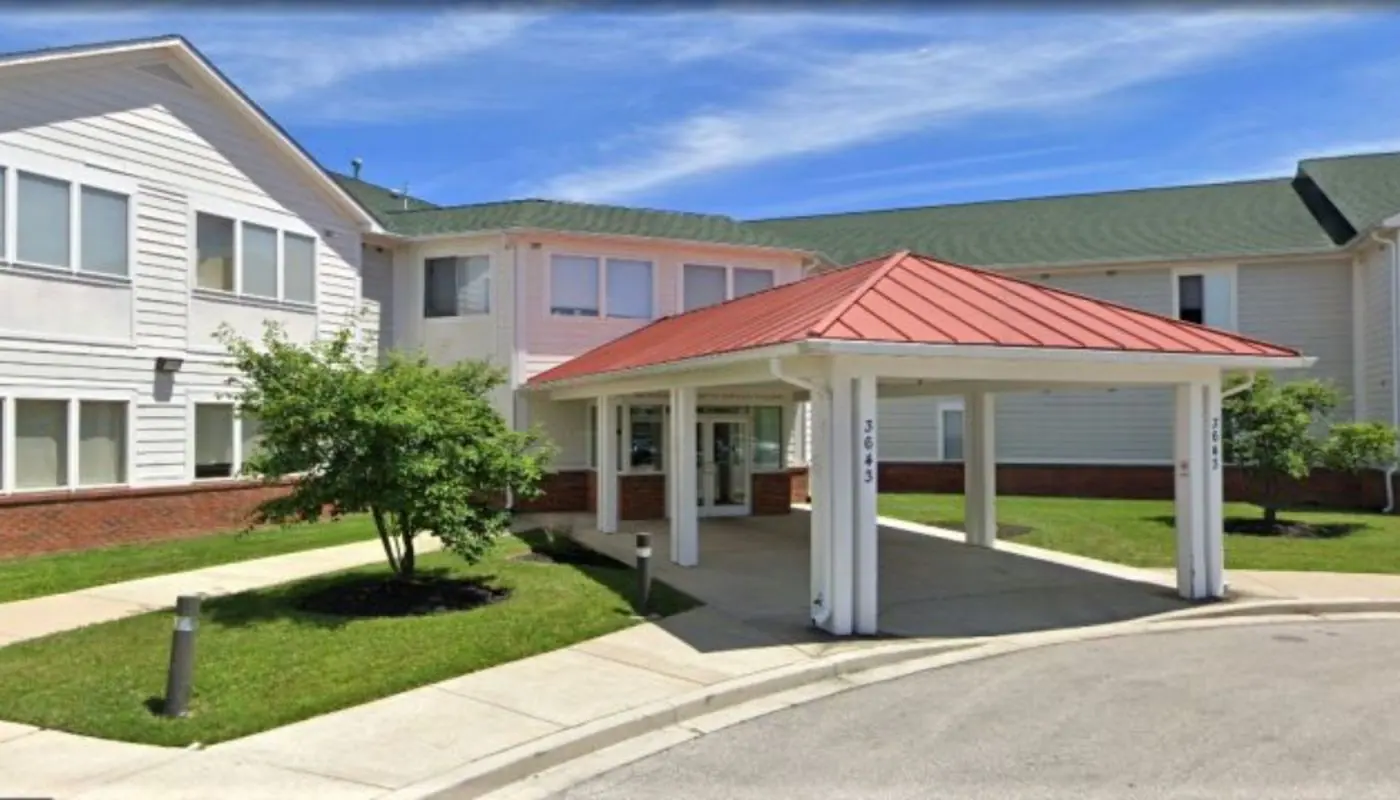
The Maryland Center for Veterans Education is a residential rehab located in Baltimore.
30 days31-50 beds
View facility -
- Co-Occurring Mental Health
- Residential Rehab
Gaudenzia Harry and Jeanette Weinberg Baltimore offers residential care to men in Baltimore.
30+ days
View facility -
- Sober Living
Severn Home Women's Ellicott City Woodstock is a women-only sober living home in Woodstock, Maryland.
30 days
View facility -
- Outpatient
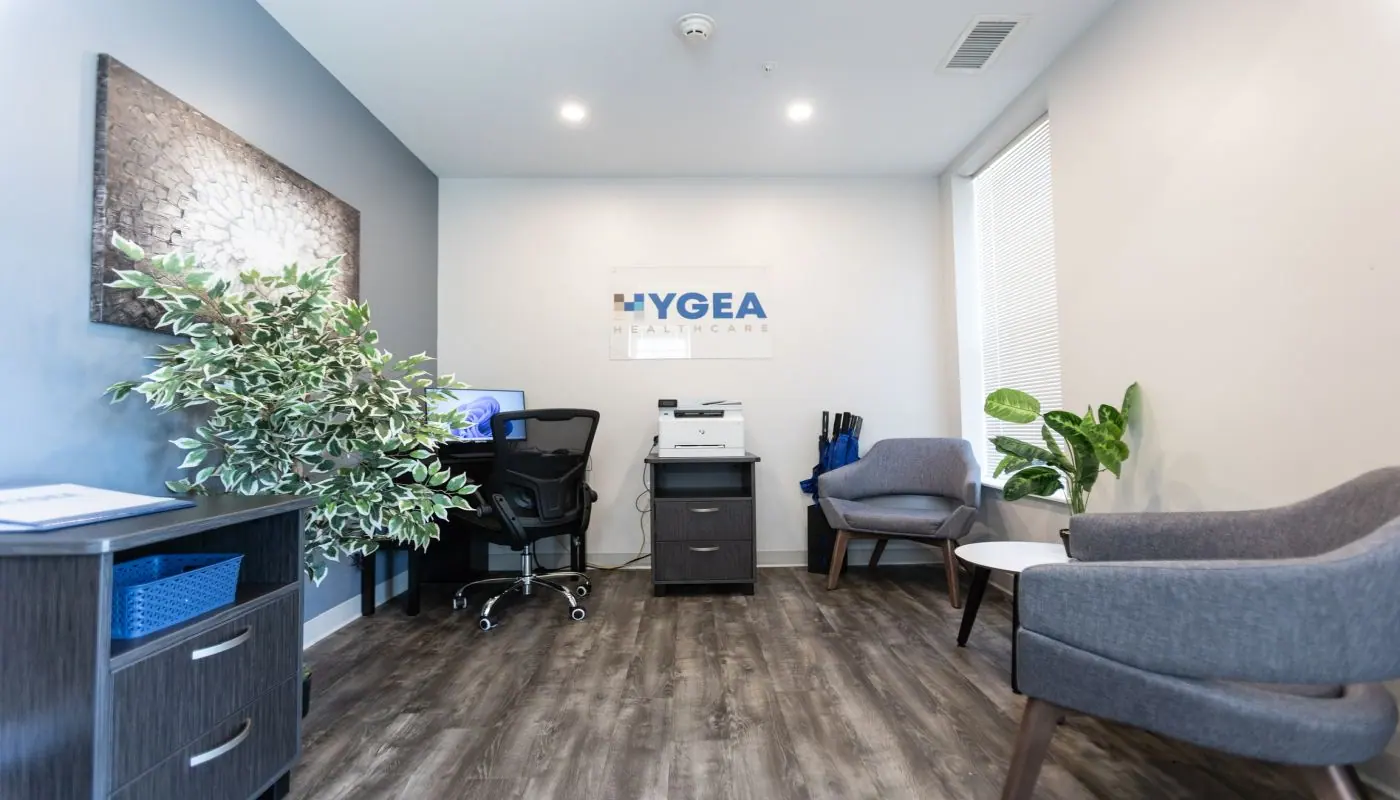
Hygea Healthcare Baltimore is an outpatient program on Belair Road in Baltimore.
30 days16-30 beds
View facility -
- Co-Occurring Mental Health
- Outpatient
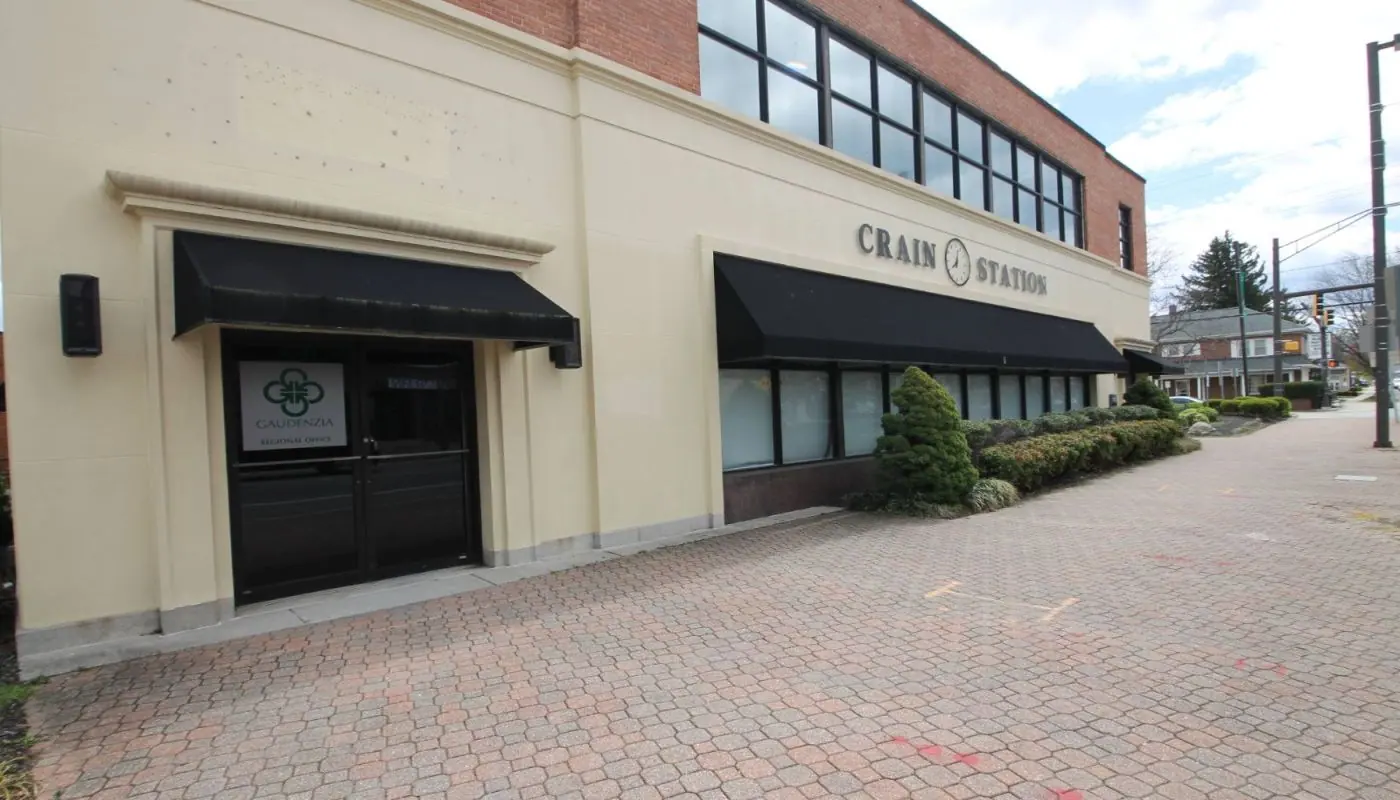
Gaudenzia Glen Burnie Outpatient is a program located in Glen Burnie that serves people with substance use and co-occurring conditions.
28+ days
View facility -
Sheppard Pratt Gaithersburg Day
Gaithersburg, MD
- Outpatient
Sheppard Pratt Gaithersburg Day Program Gaithersburg is a five-day outpatient schedule.
5 days
View facility -
- Detox
- Residential Rehab
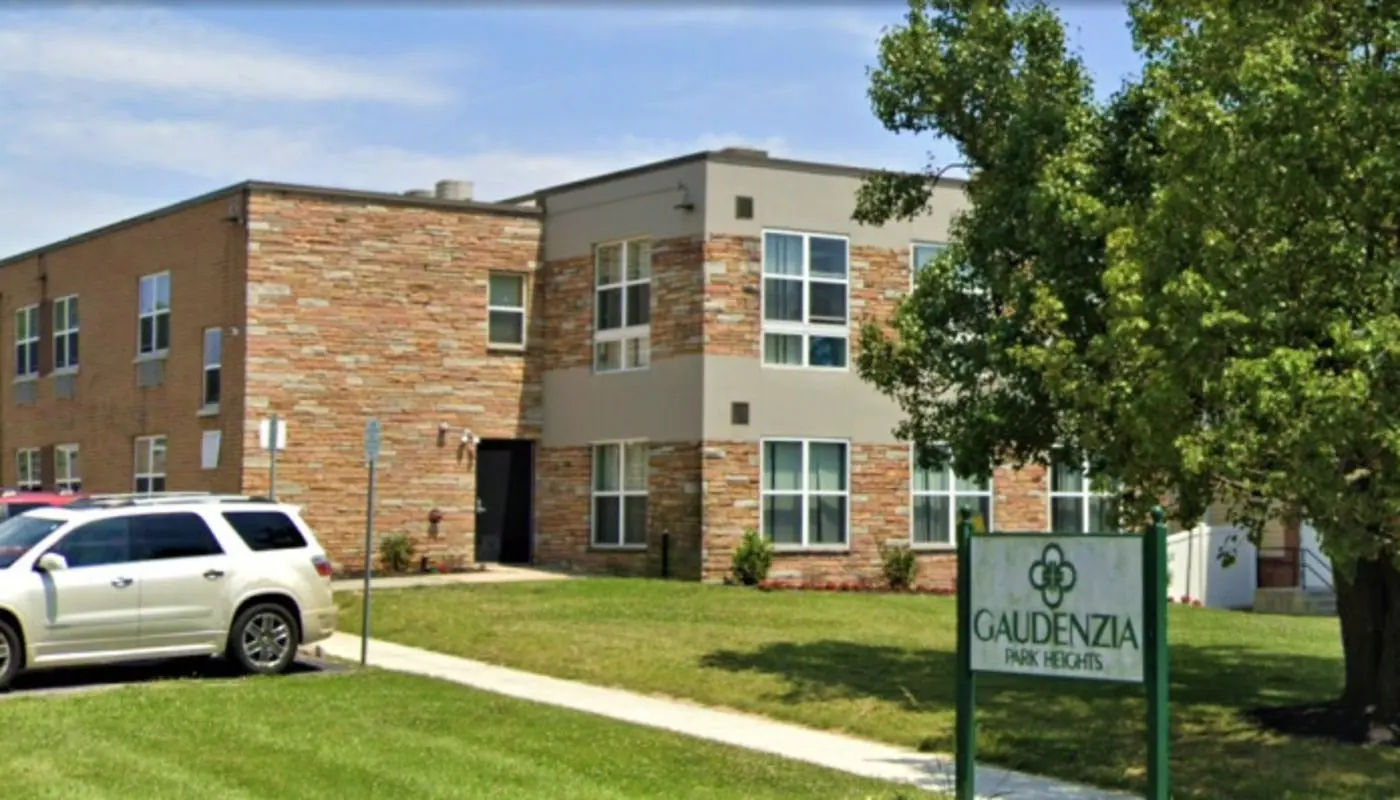
Gaudenzia Recovery Campus at Park Baltimore provides crisis support and residential care.
90 days
View facility -
- Outpatient
- Residential Rehab
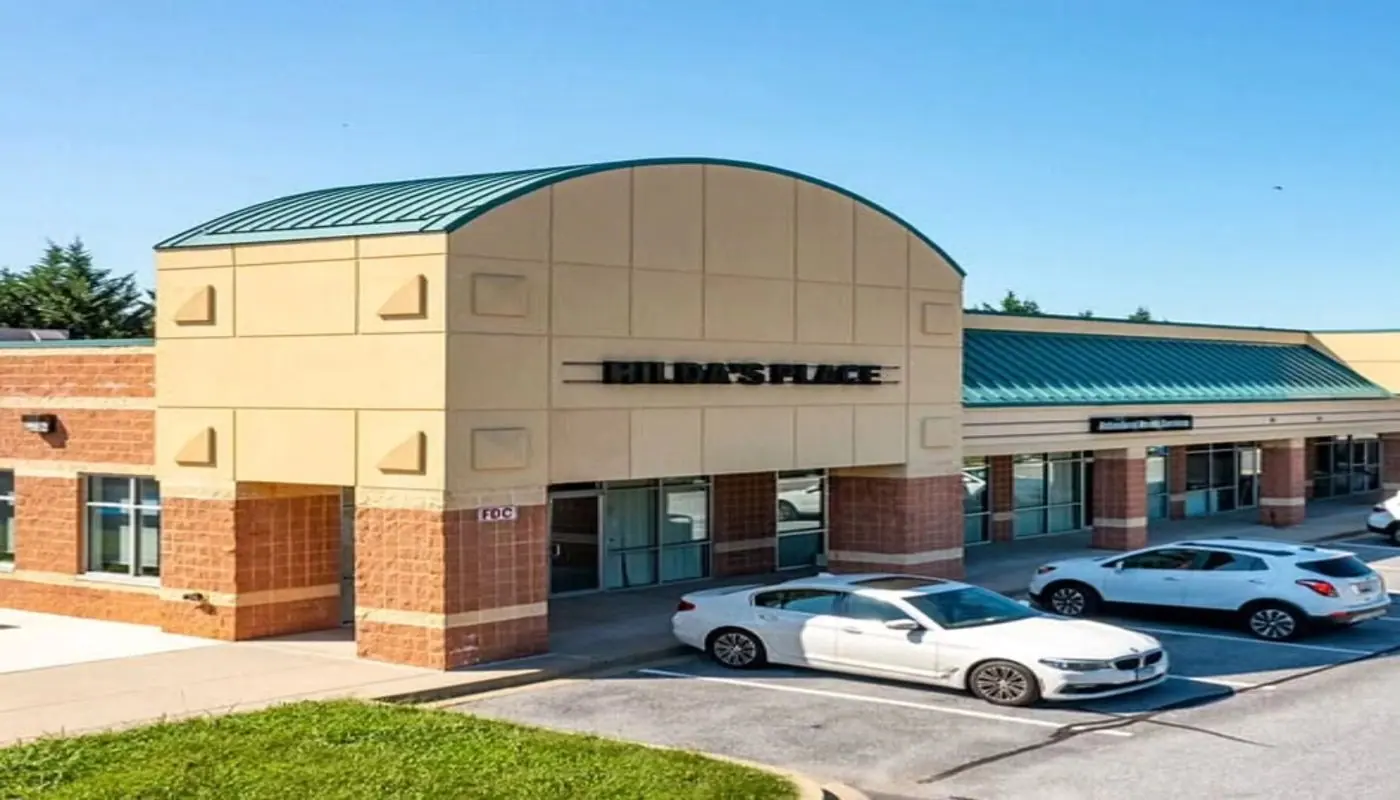
Hilda's Foundation Glenwood is a Maryland center for substance use and mental health care.
7 days
View facility -
- Residential Rehab
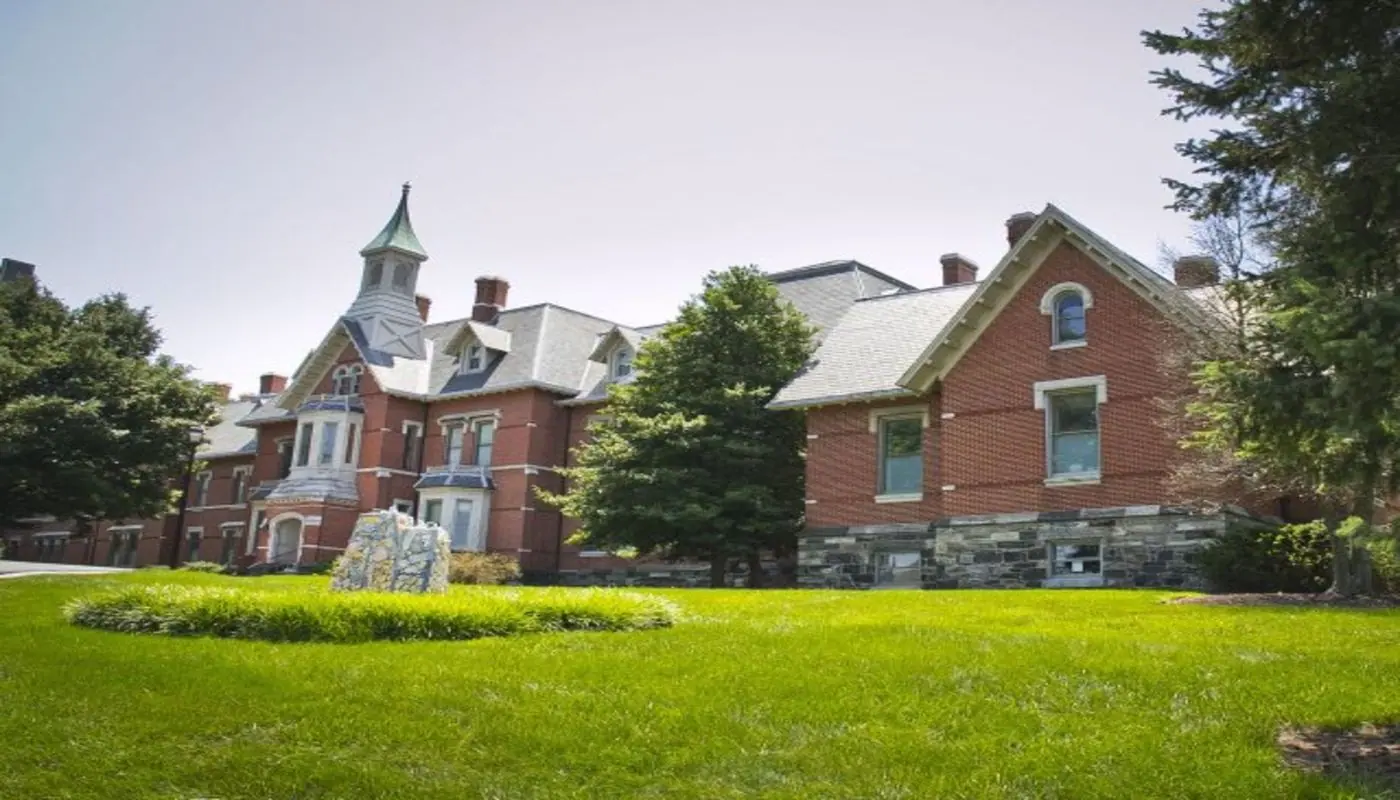
Sheppard Pratt Baltimore is a residential rehab on North Charles Street.
20+ days16-30 beds
View facility -
- Co-Occurring Mental Health
- Residential Rehab
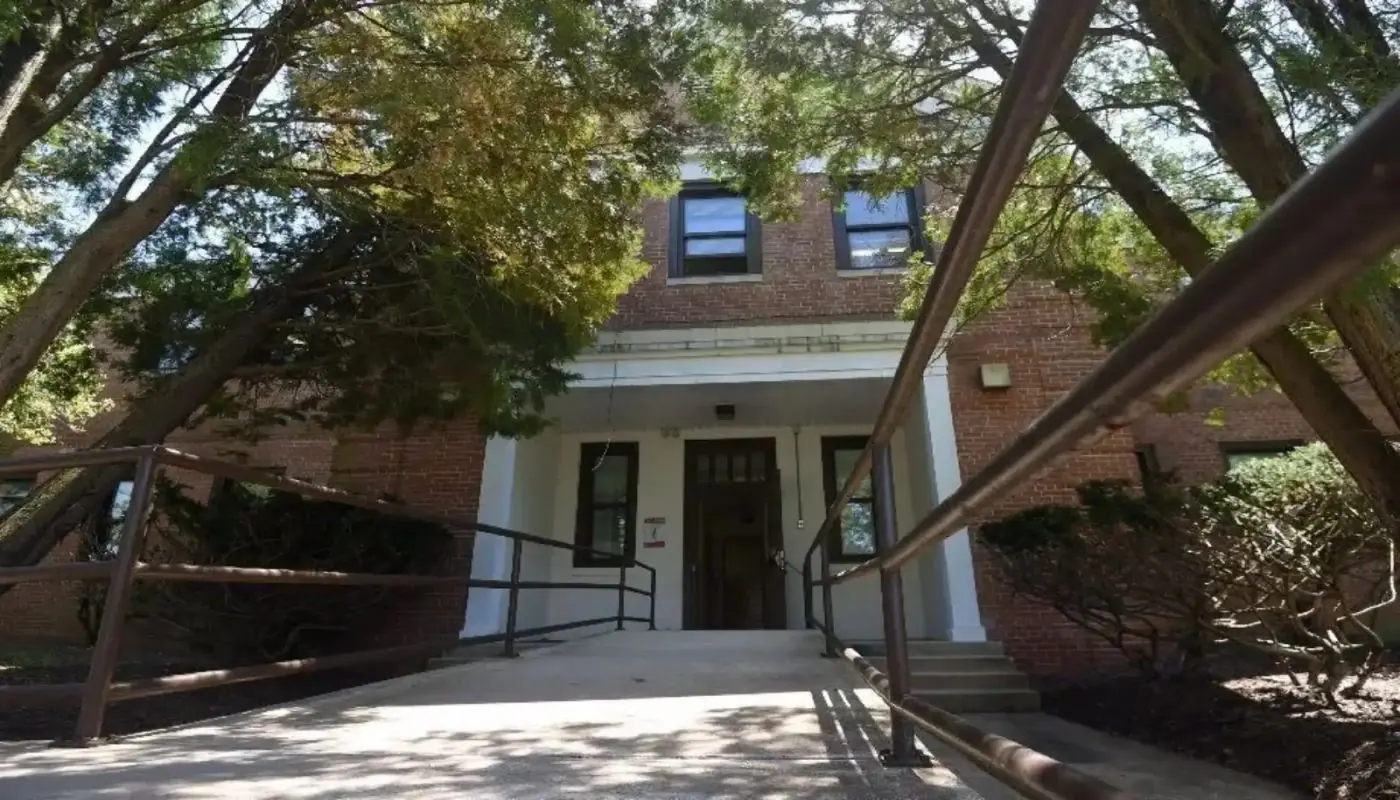
Gaudenzia Owings Mills is a residential program on Jensen Lane.
28 days
View facility -
- Co-Occurring Mental Health
- Outpatient
Tranquility Woods Outpatient Arnold is a program in Maryland addressing alcohol use along with co-occurring conditions.
30 days16-30 beds
View facility -
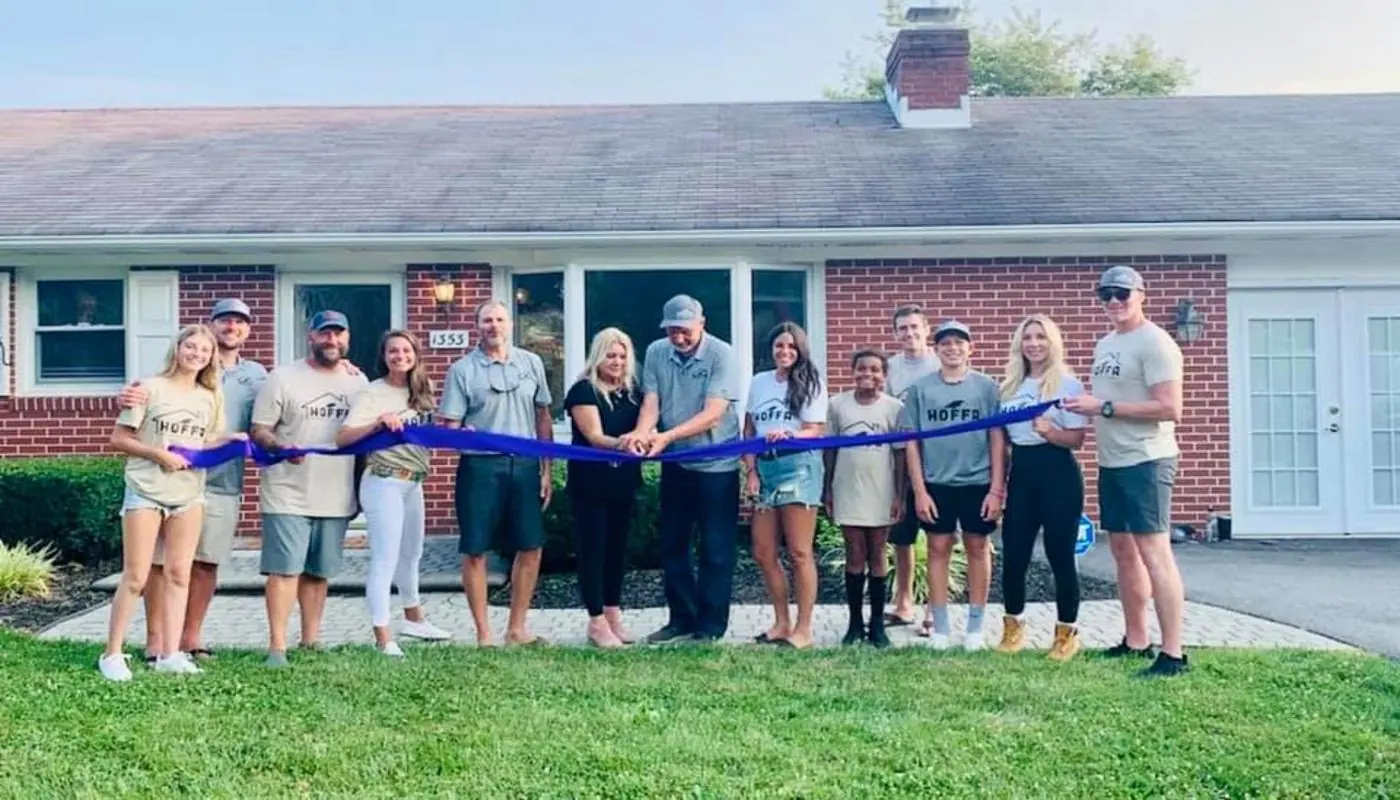
HOFFA Foundation
Sykesville, MD
- Sober Living
- Co-Occurring Mental Health
Hoffa Foundation Sykesville is a sober living house for men in Carroll County.
30 days
View facility -
- Outpatient
AKT Healthcare Baltimore is an outpatient alcohol program on Windsor Ave.
30 days
View facility -
- Outpatient
- Residential Rehab
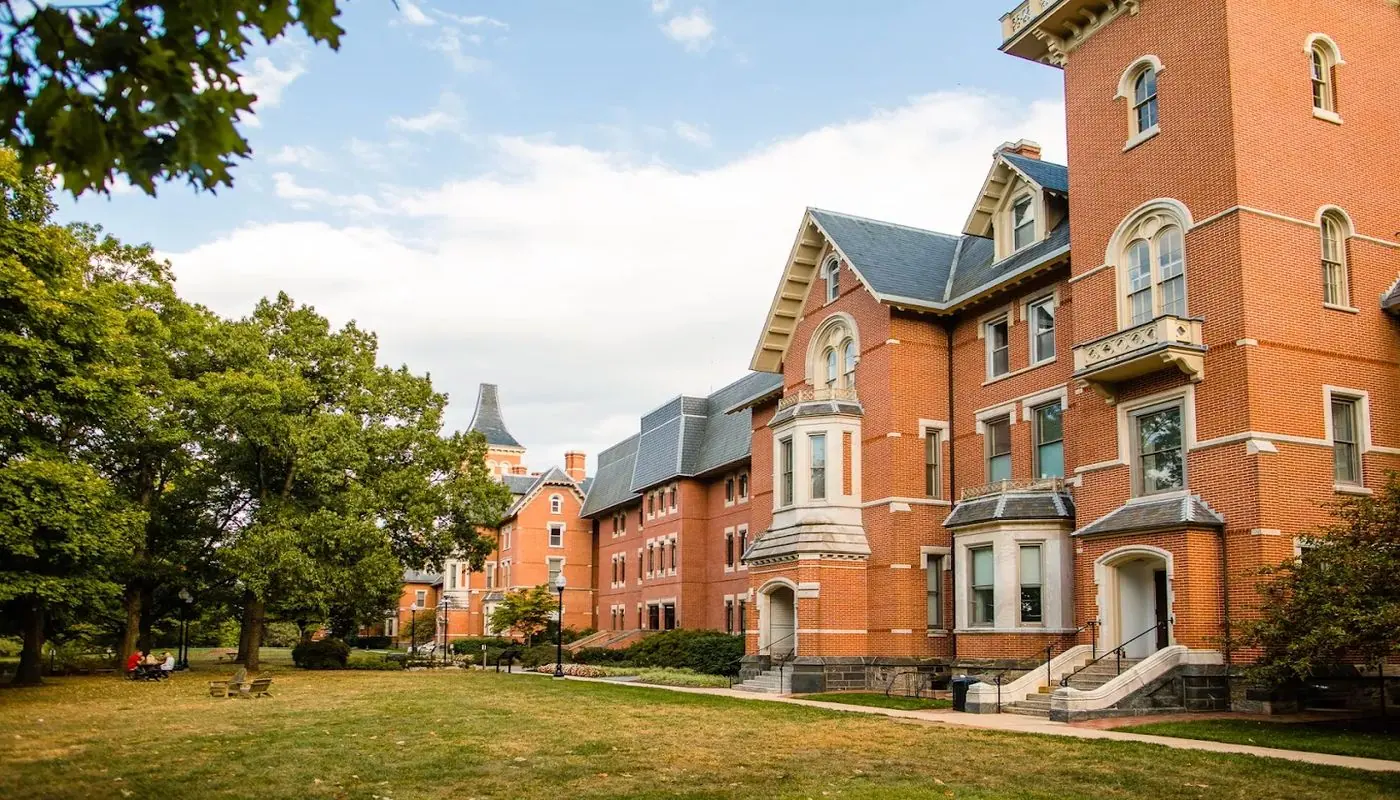
Sheppard Pratt Baltimore MD offers residential and outpatient services for mental health and substance use.
5 days
View facility -
-
- Detox
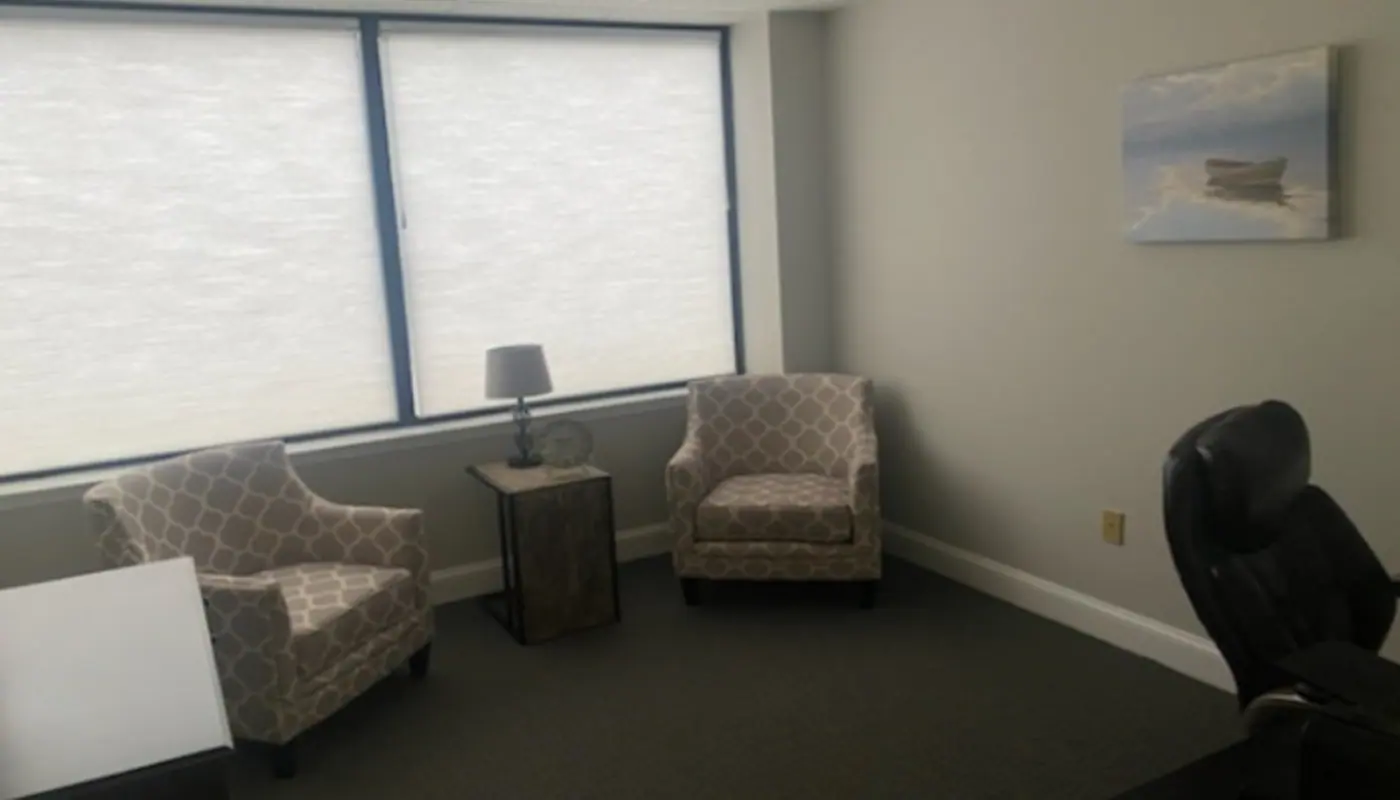
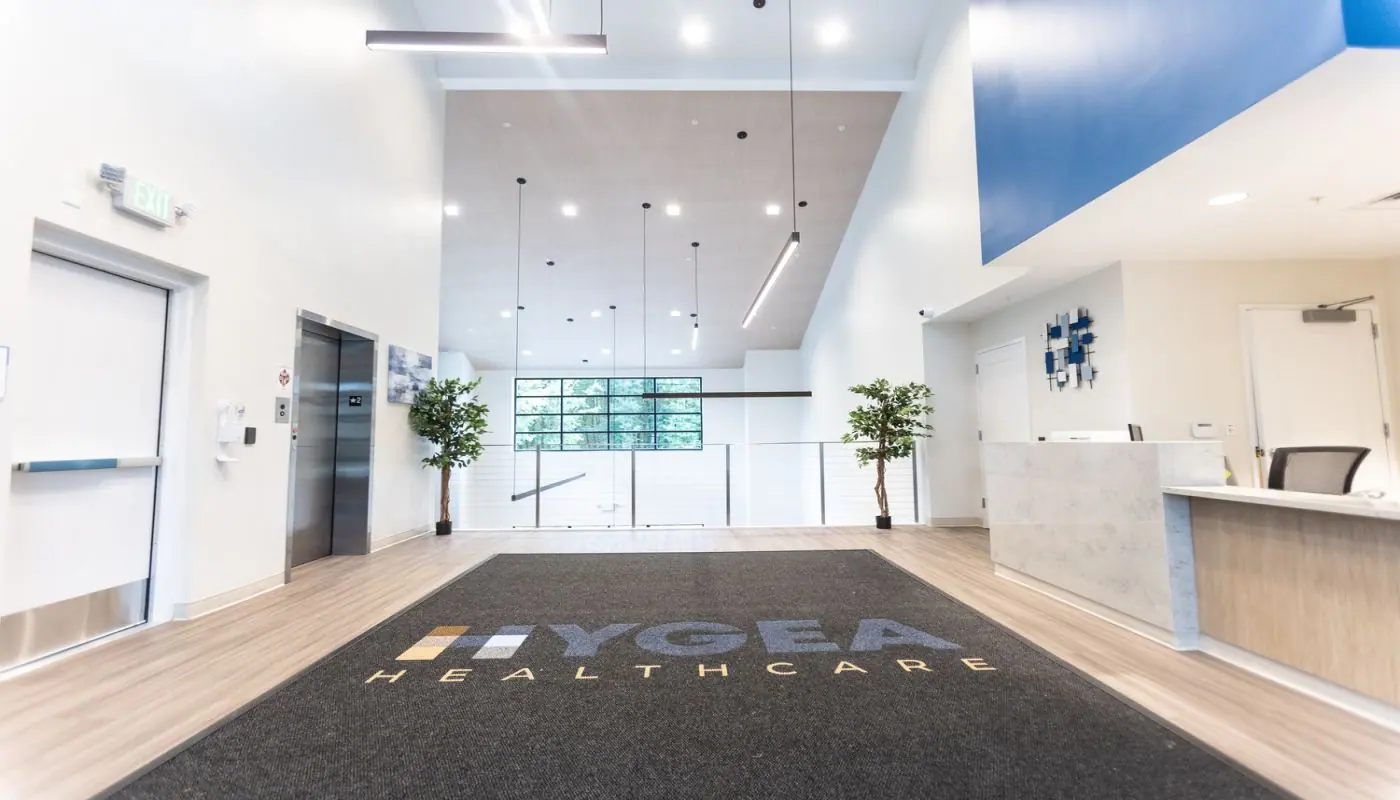
Hygea Healthcare Middle River provides medical detox for adults in Maryland.
10 days31-50 beds
View facility -
- Outpatient
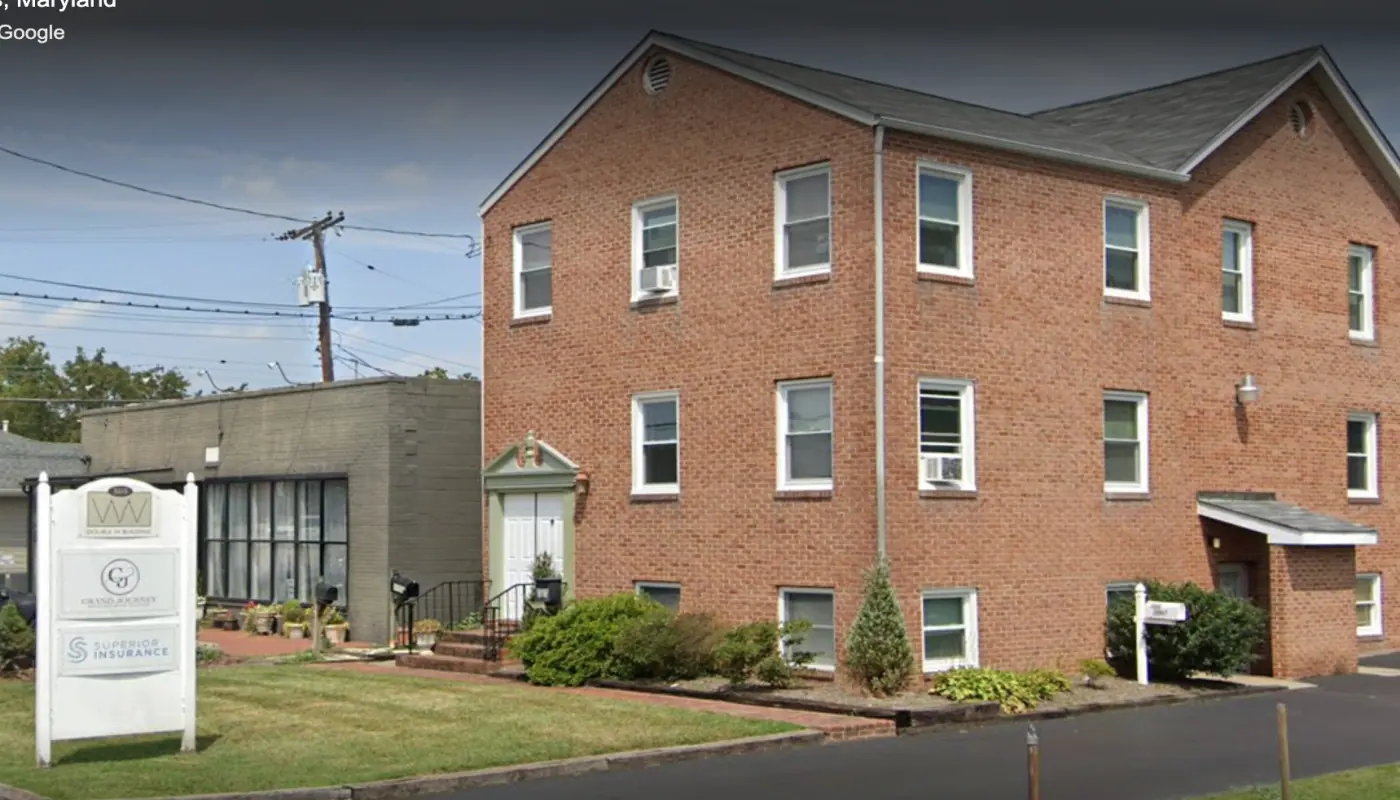
Grand Journey Behavioral Health Solutions is an outpatient center on Garrison Boulevard in Baltimore.
View facility -
- Outpatient
Alcohol and drug intervention Glen Burnie refers to organized outpatient help for alcohol and drug use.
5 days
View facility -
Maryland Addiction Recovery Center
Towson, MD
- Accredited by the Joint Commission
- Co-Occurring Mental Health
- Outpatient
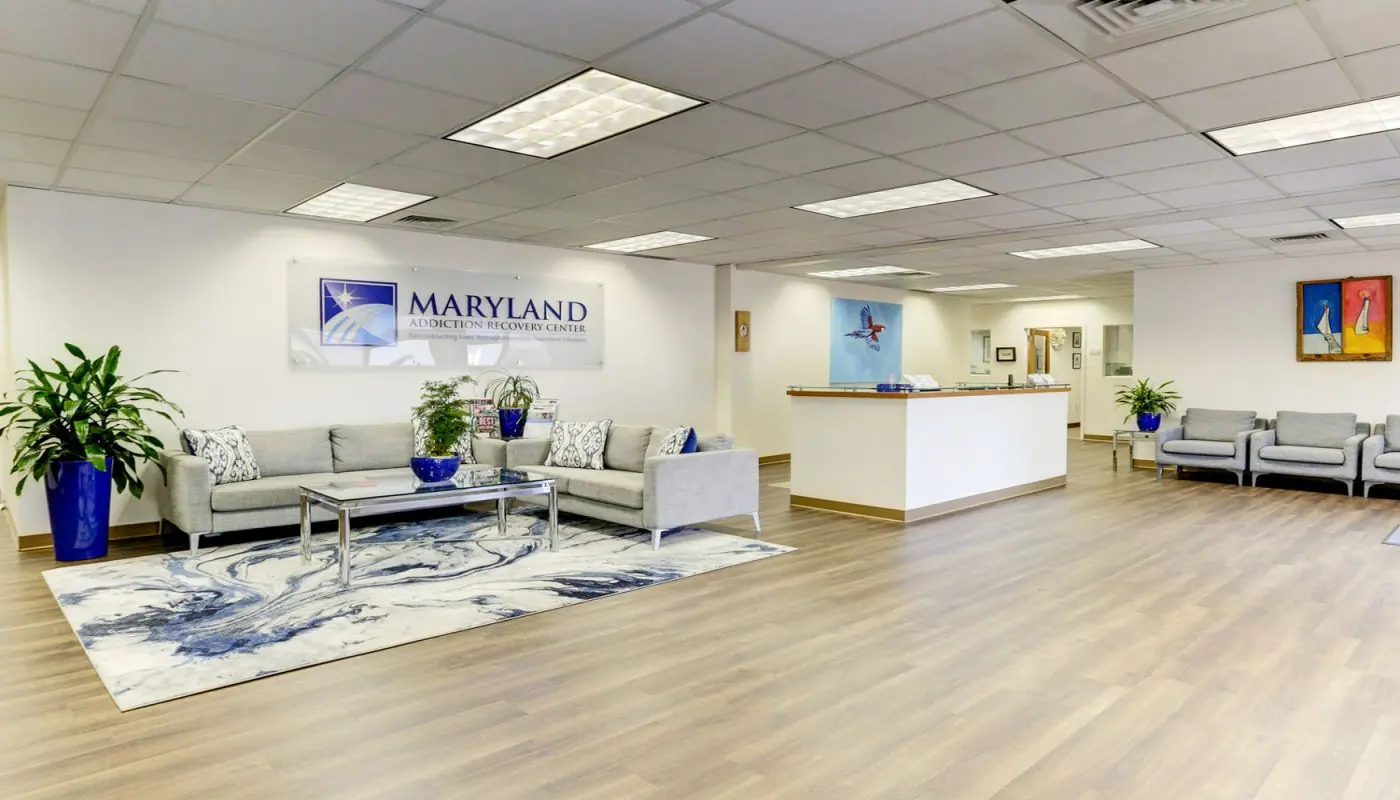
This page covers Maryland Addiction Recovery Center Towson, which provides outpatient care and transitional living.
90 days31-50 beds
View facility -
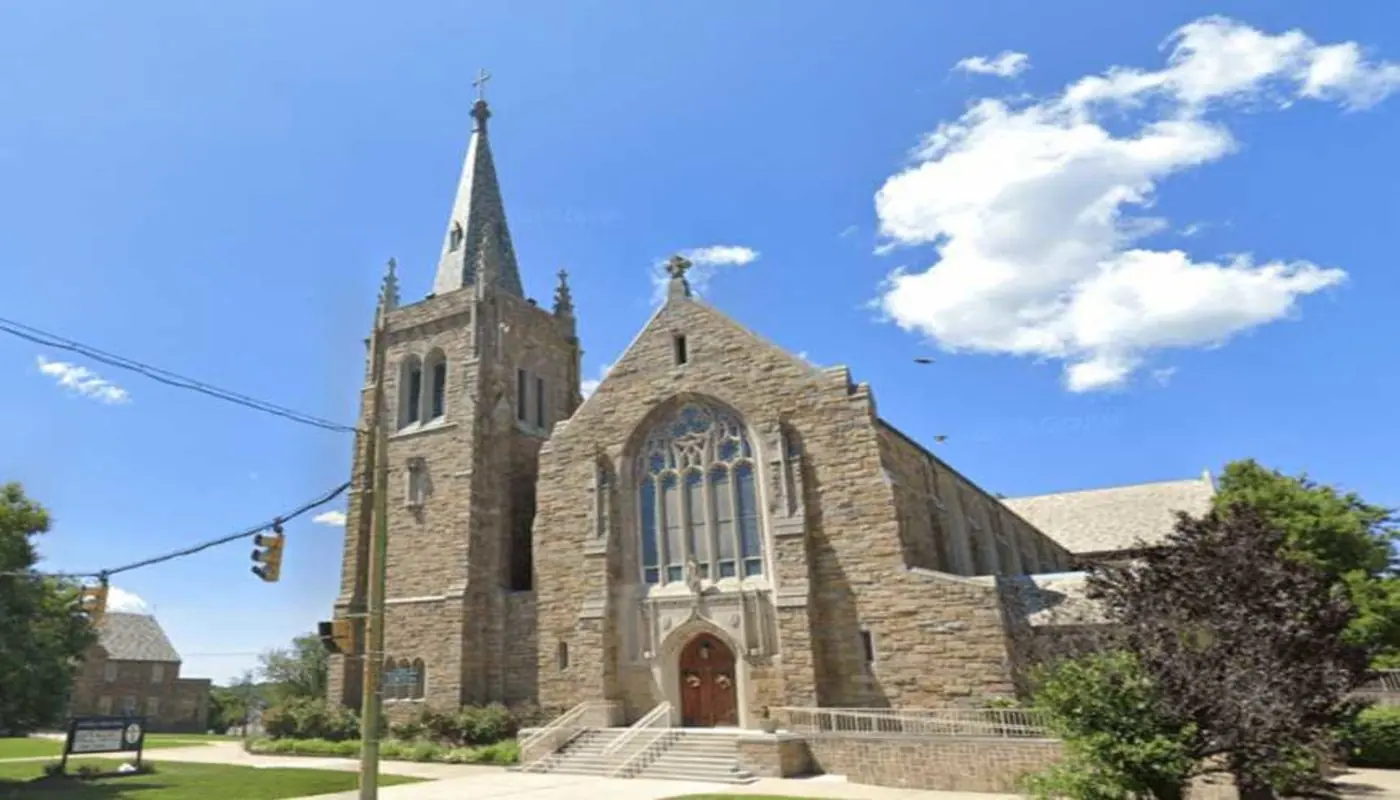
Chrysalis House Healthy Start
Baltimore, MD
- Residential Rehab
Chrysalis House Healthy Start Baltimore is a residential program for women in Park Heights.
30+ days
View facility -
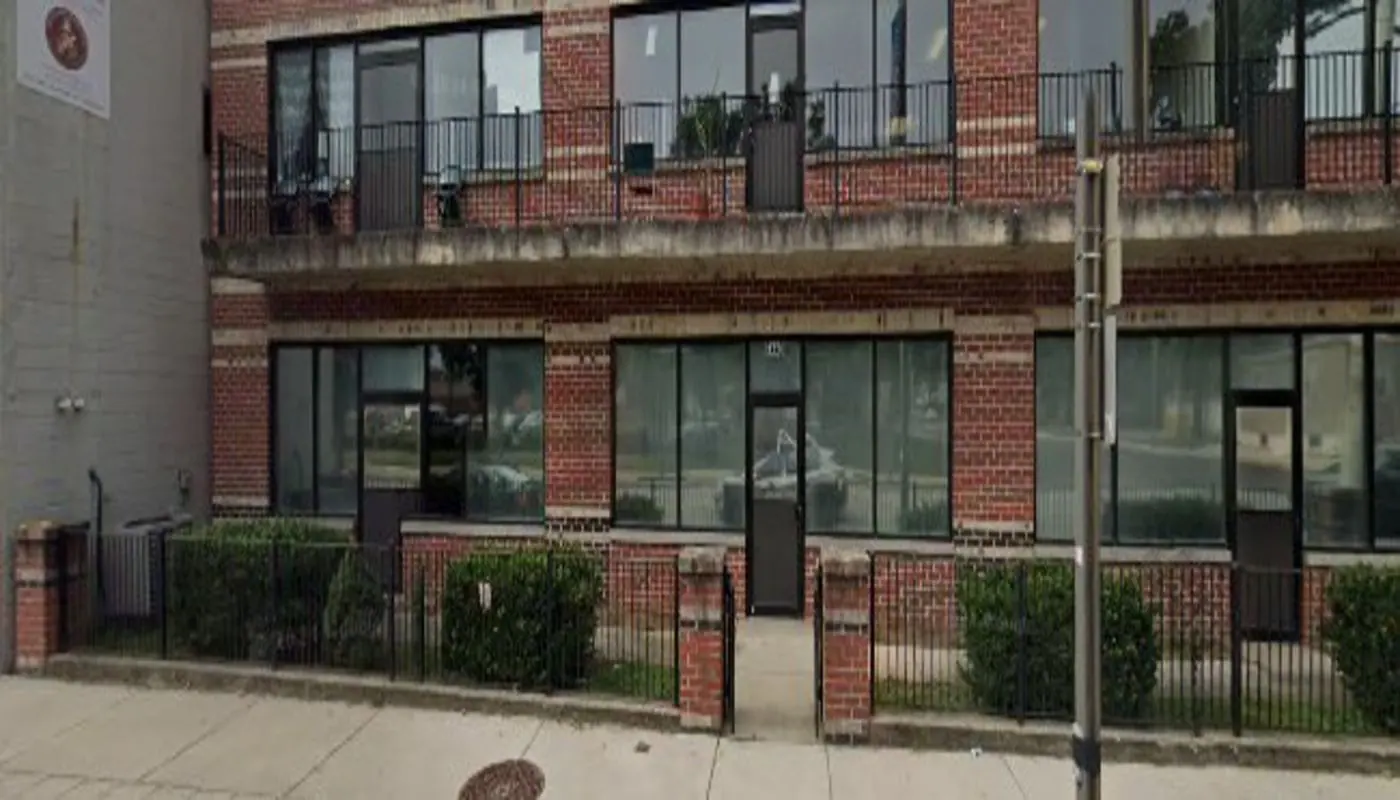
Sheppard Pratt Glen Burnie Day Program
Glen Burnie, MD
- Outpatient
This page explains Sheppard Pratt Glen Burnie Day Program Glen Burnie.
5 days
View facility -
- Accredited by the Joint Commission
- Co-Occurring Mental Health
- Outpatient
- Detox
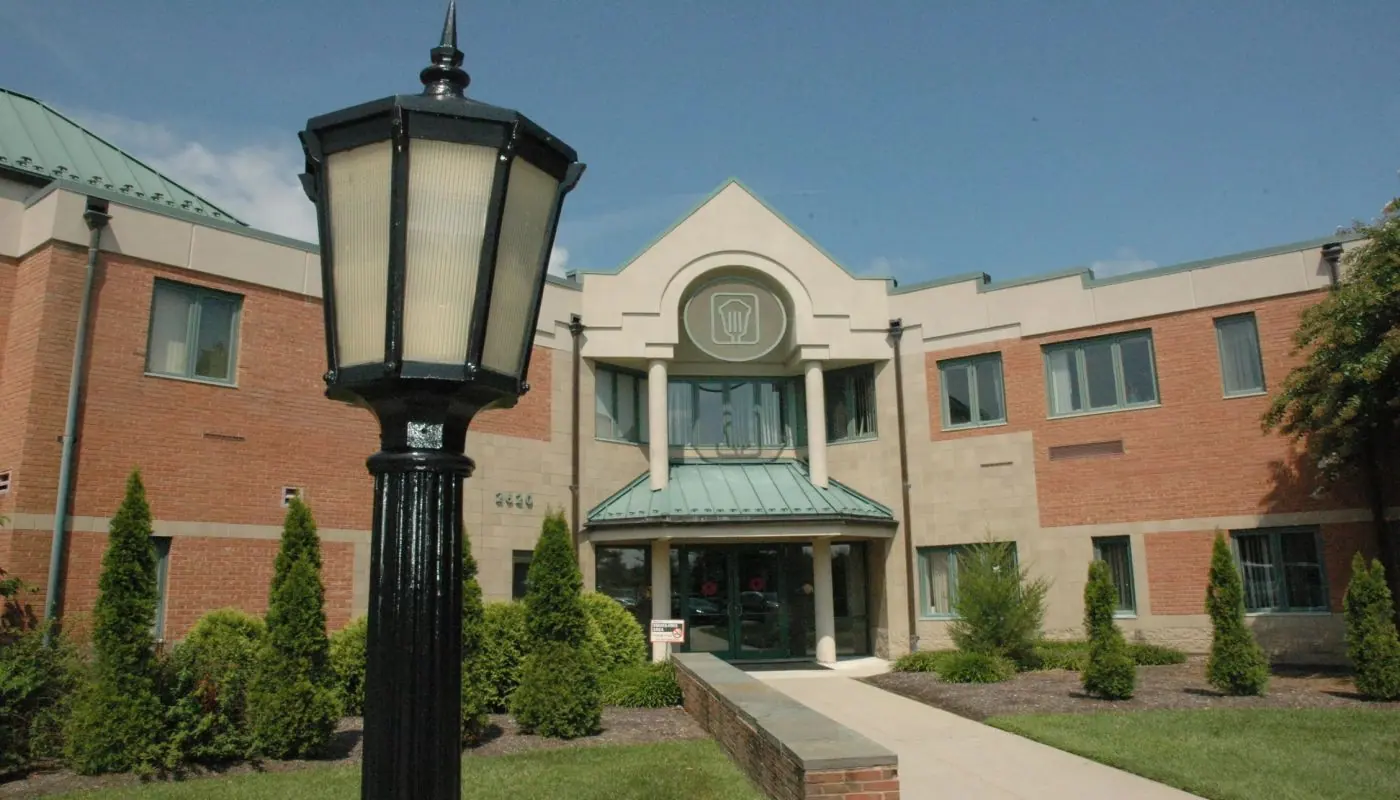
Luminis Health Pathways Alcohol & Drug Treatment Center sits on Riva Road in Annapolis.
30 days
View facility -
-
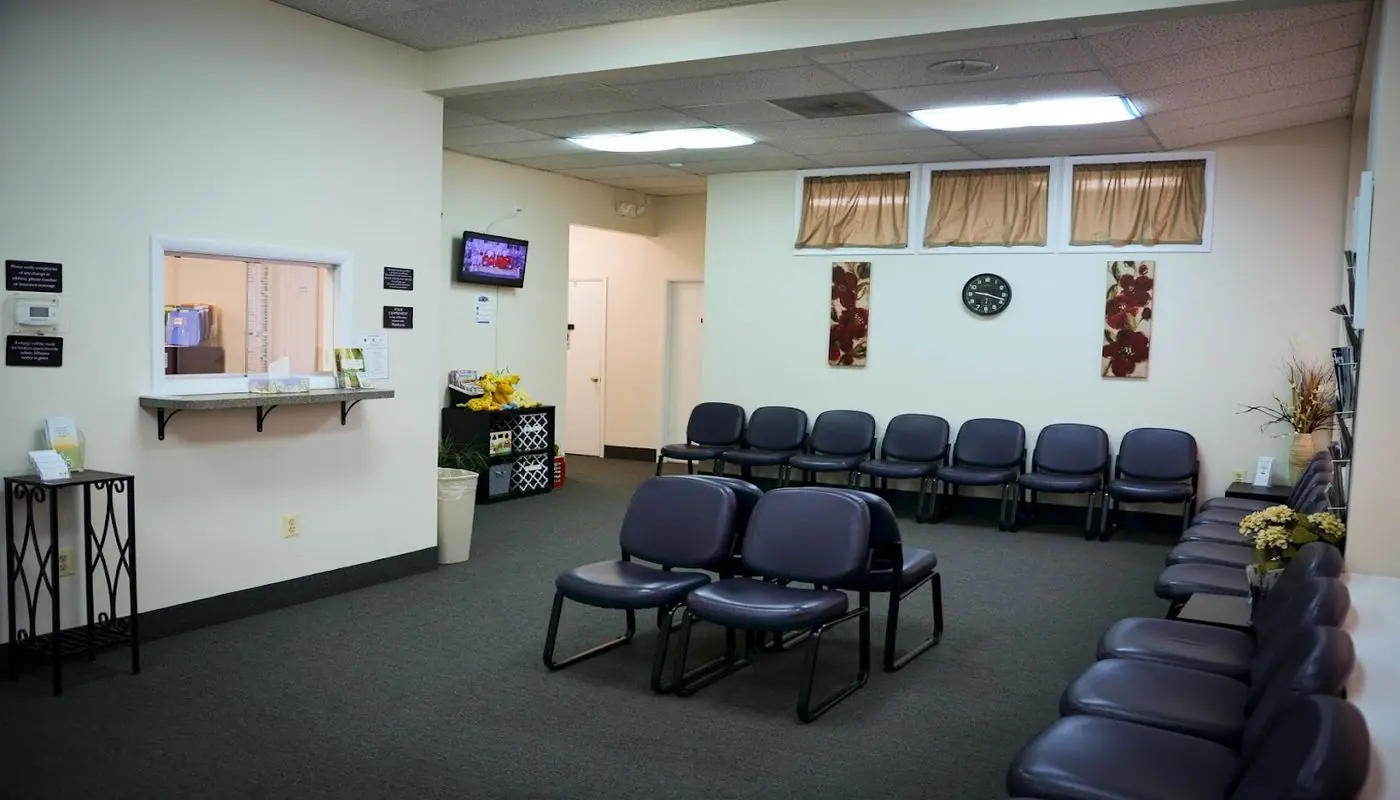
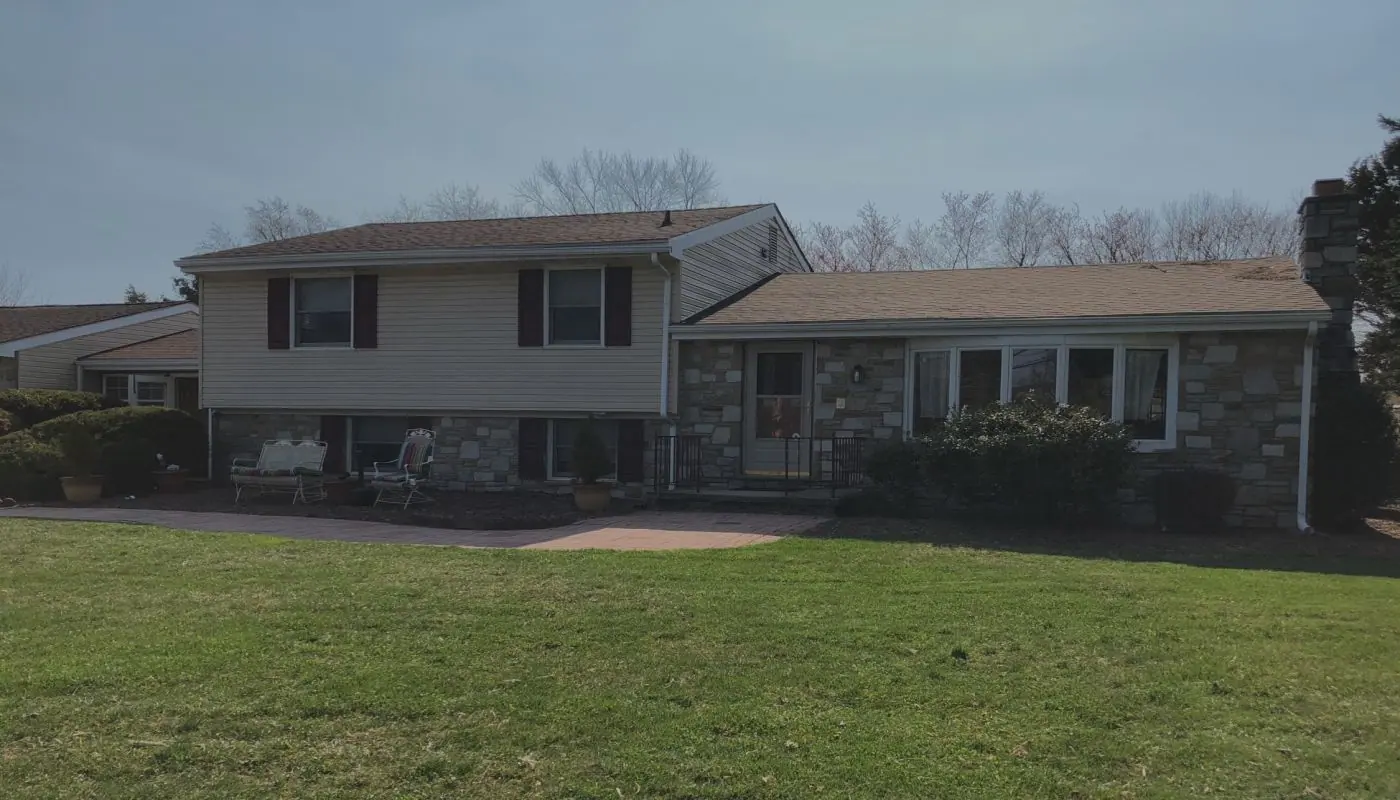
LifeStance Health Millersville is an outpatient practice in Millersville, Maryland.
30 days
View facility -
- Co-Occurring Mental Health
- Detox
- Residential Rehab
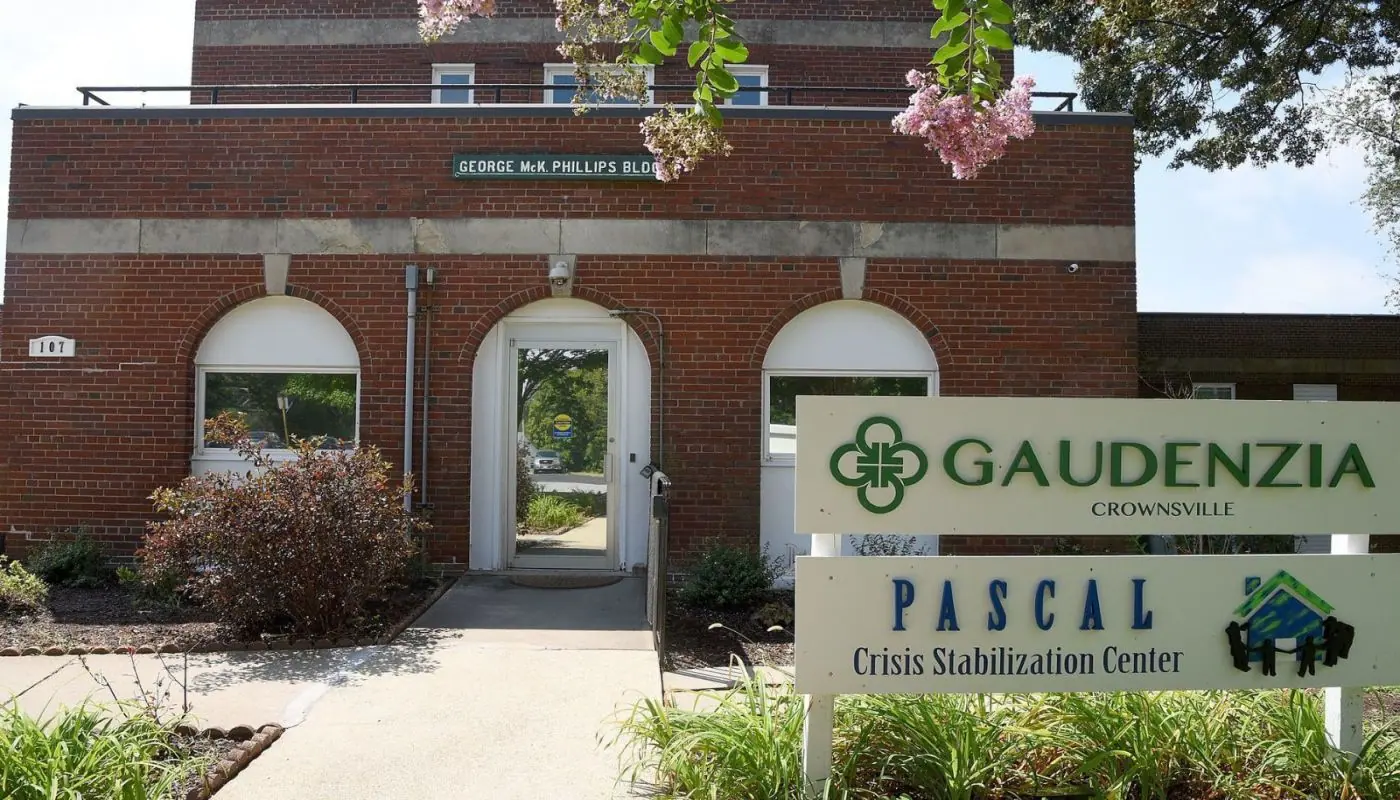
Adults in Crownsville, Maryland have a residential treatment option at Gaudenzia Crownsville, which began serving people in 2019.
30+ days
View facility -
- Outpatient
- Detox
The Care Clinic Bethesda Office Bethesda serves adults in Maryland who are dealing with alcohol and co-occurring mental health issues.
30 days
View facility -
- Outpatient
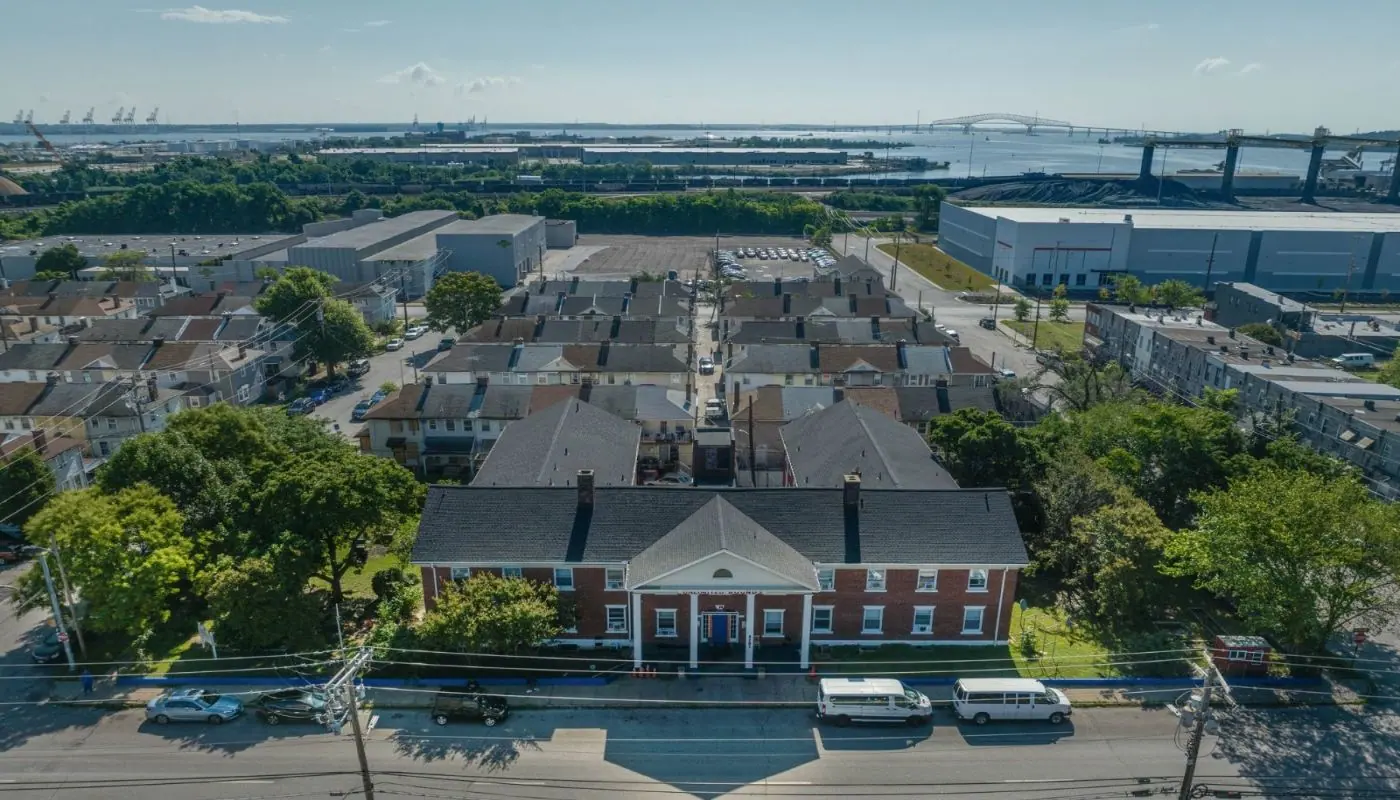
Unlimited Bounds offers outpatient alcohol rehab in Baltimore, Maryland.
30 days
View facility -
- Outpatient
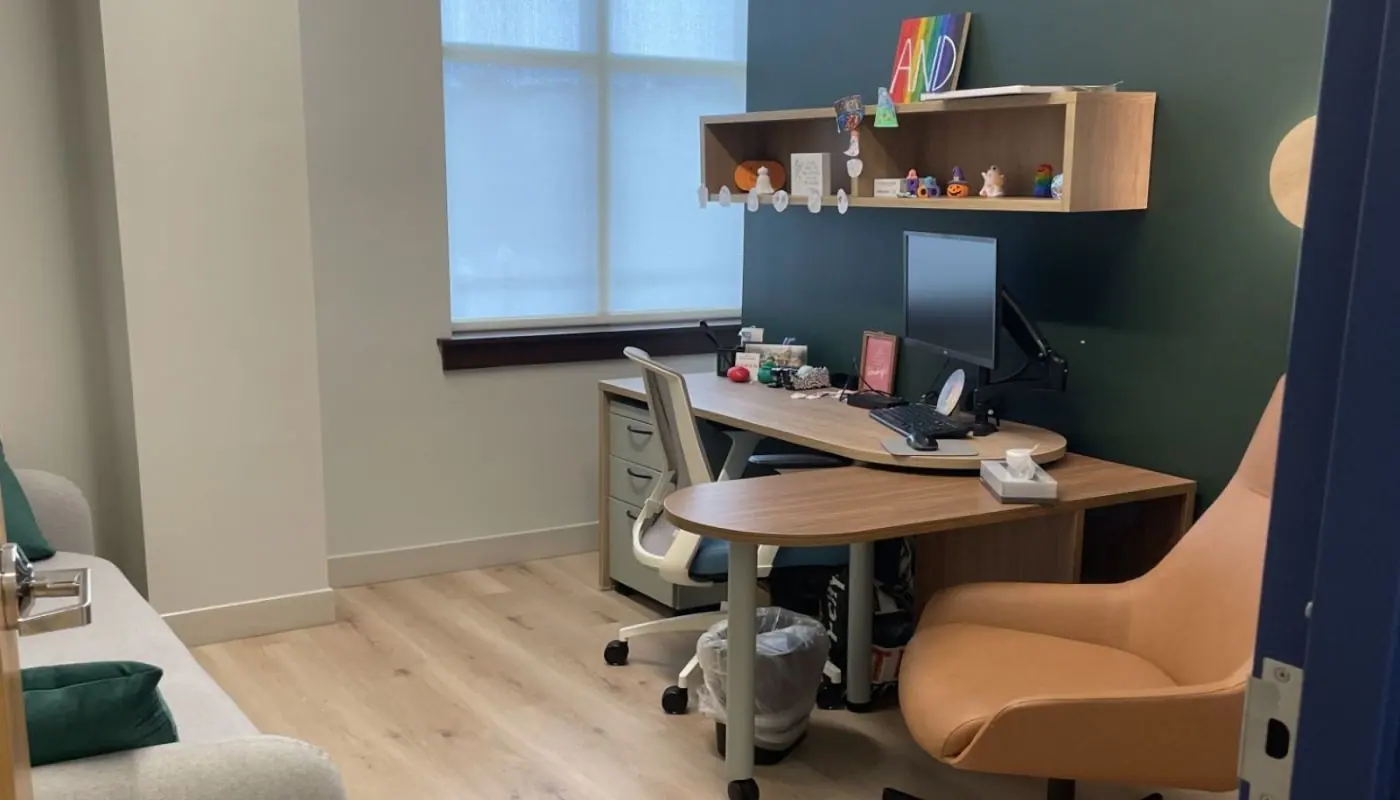
LifeStance Health Baltimore provides outpatient alcohol and drug treatment.
30 days
View facility -
- Sober Living
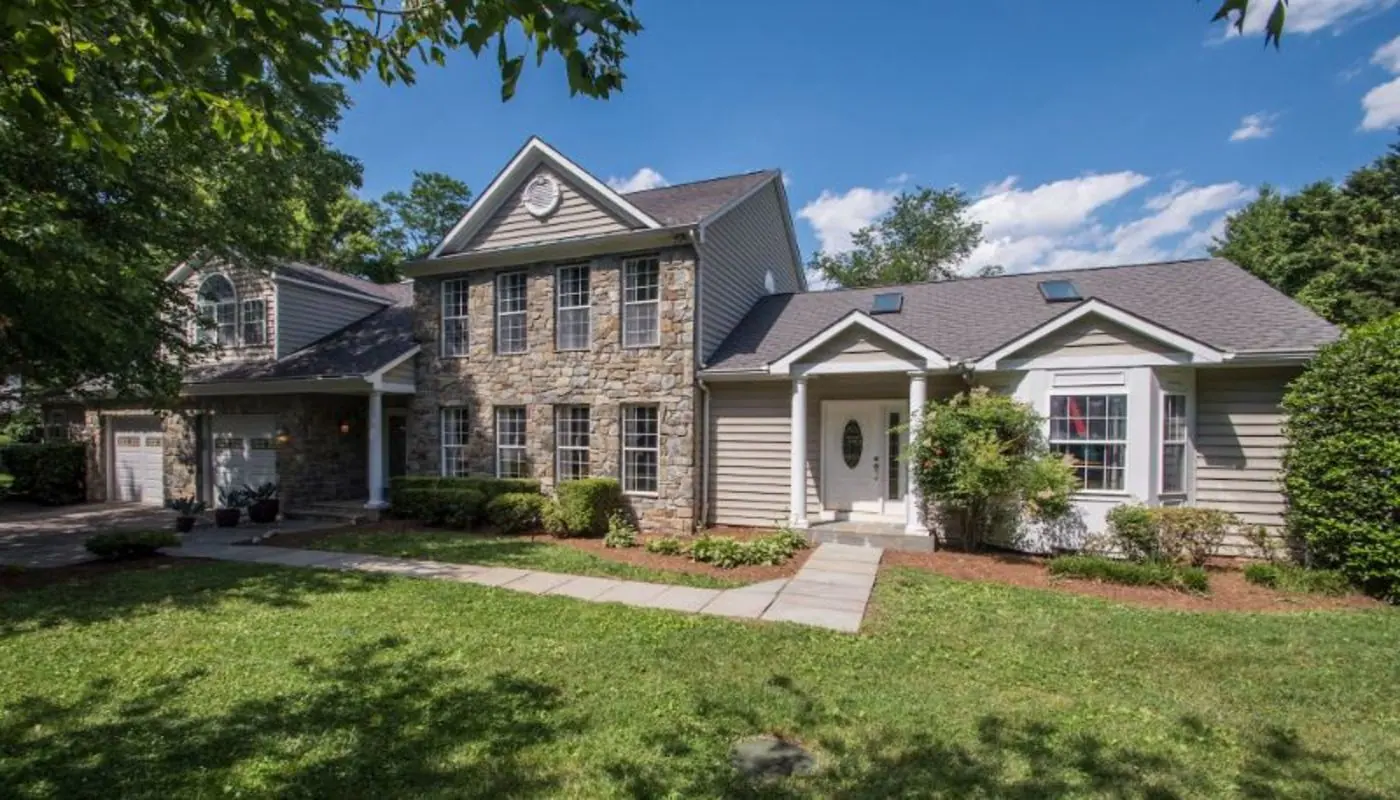
severn home sober living arnold is gender-specific sober housing for people leaving formal treatment.
30 days
View facility -
- Co-Occurring Mental Health
- Outpatient
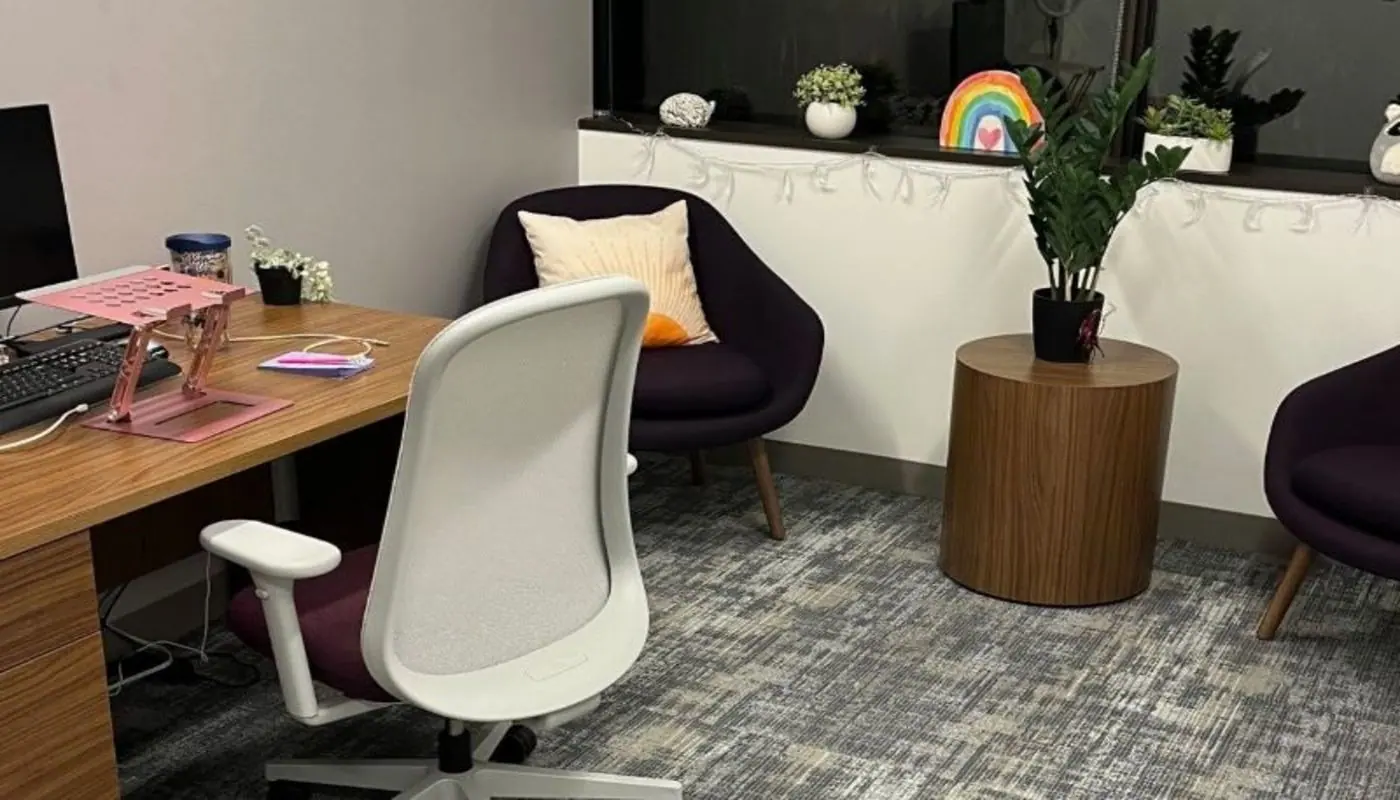
Columbia Associates Reston Silver Spring is an outpatient center at 8455 Colesville Rd., Ste.
30 days
View facility -
- Outpatient
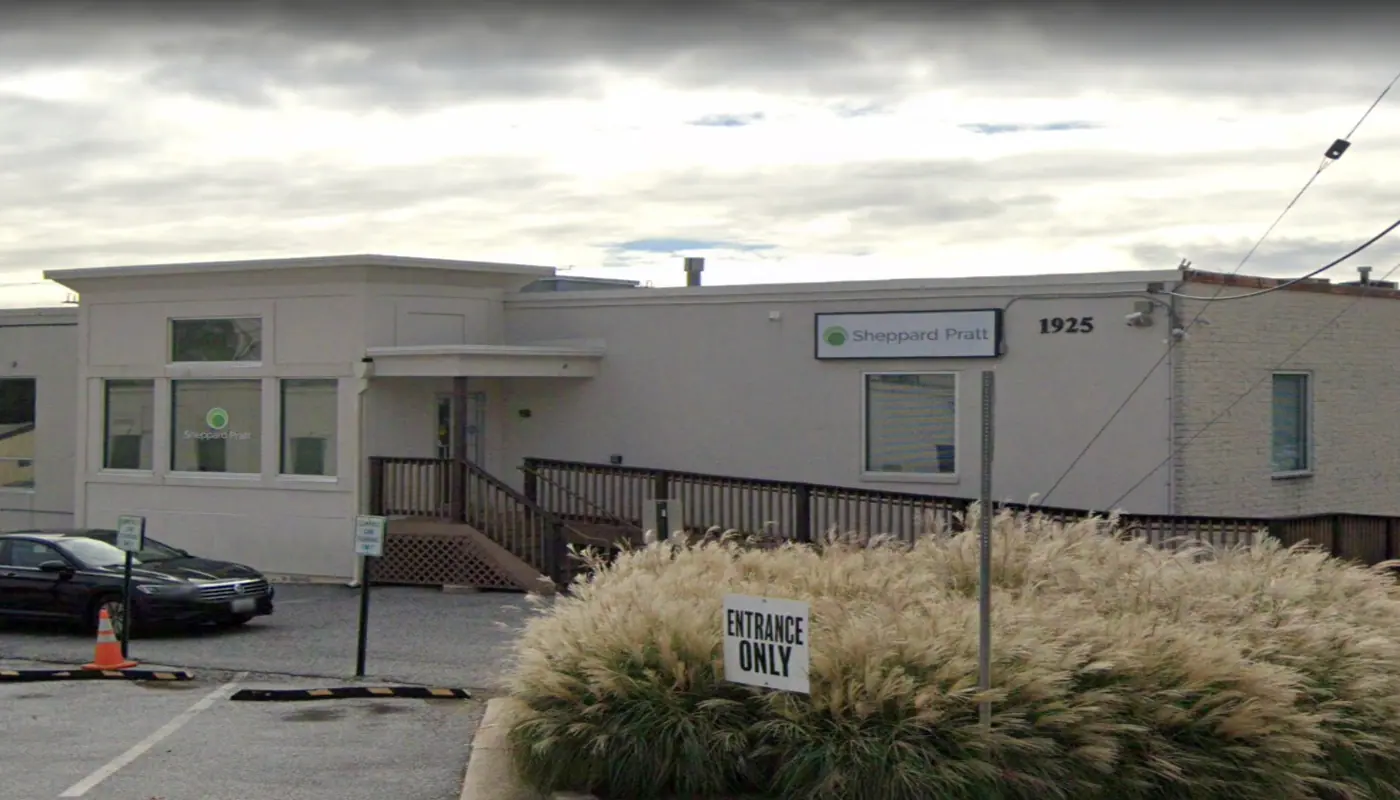
Sheppard Pratt Timonium provides outpatient care for mental health and substance use concerns in Timonium.
5 days
View facility -
- Co-Occurring Mental Health
- Detox
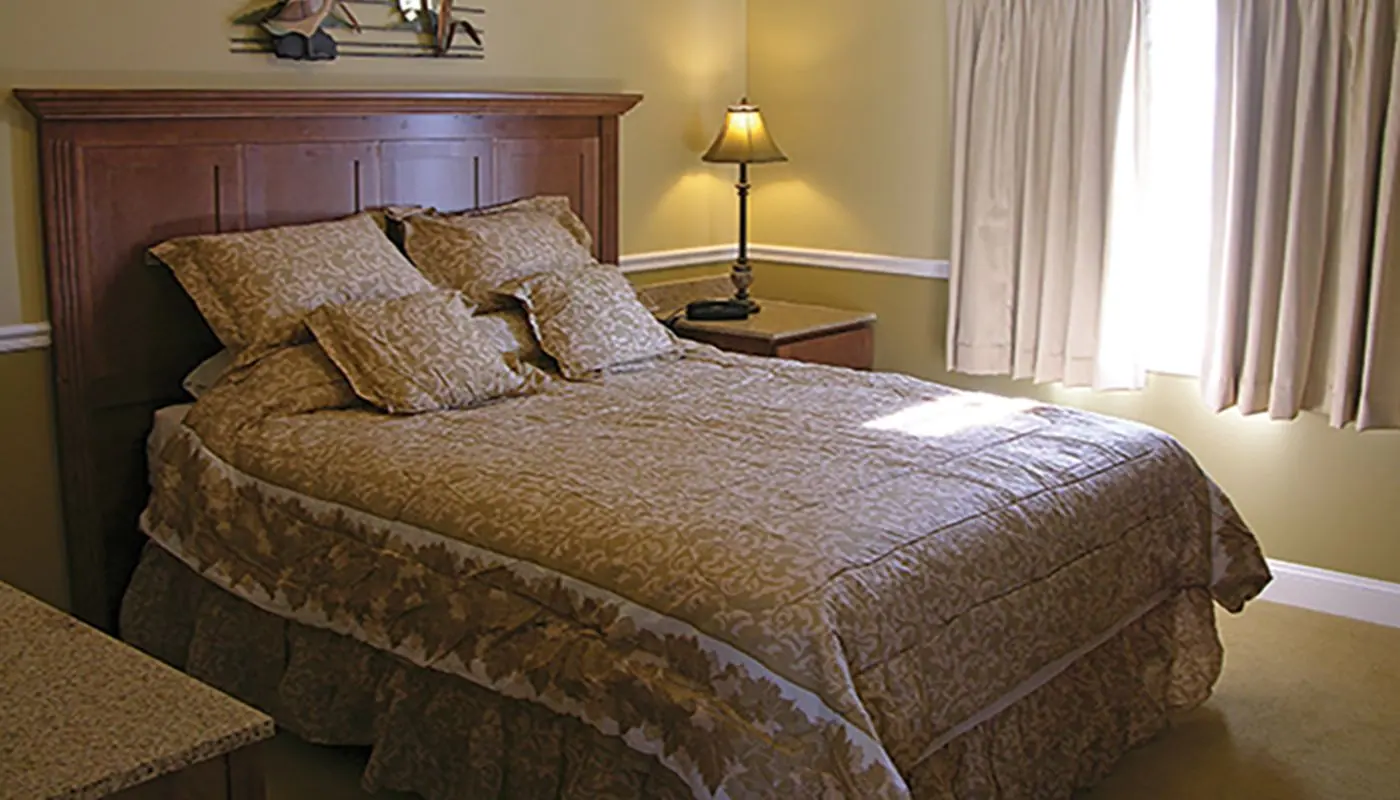
Harbor of Grace treats alcohol use and co-occurring conditions in Havre de Grace.
28 days31-50 beds
View facility -
- Co-Occurring Mental Health
- Outpatient
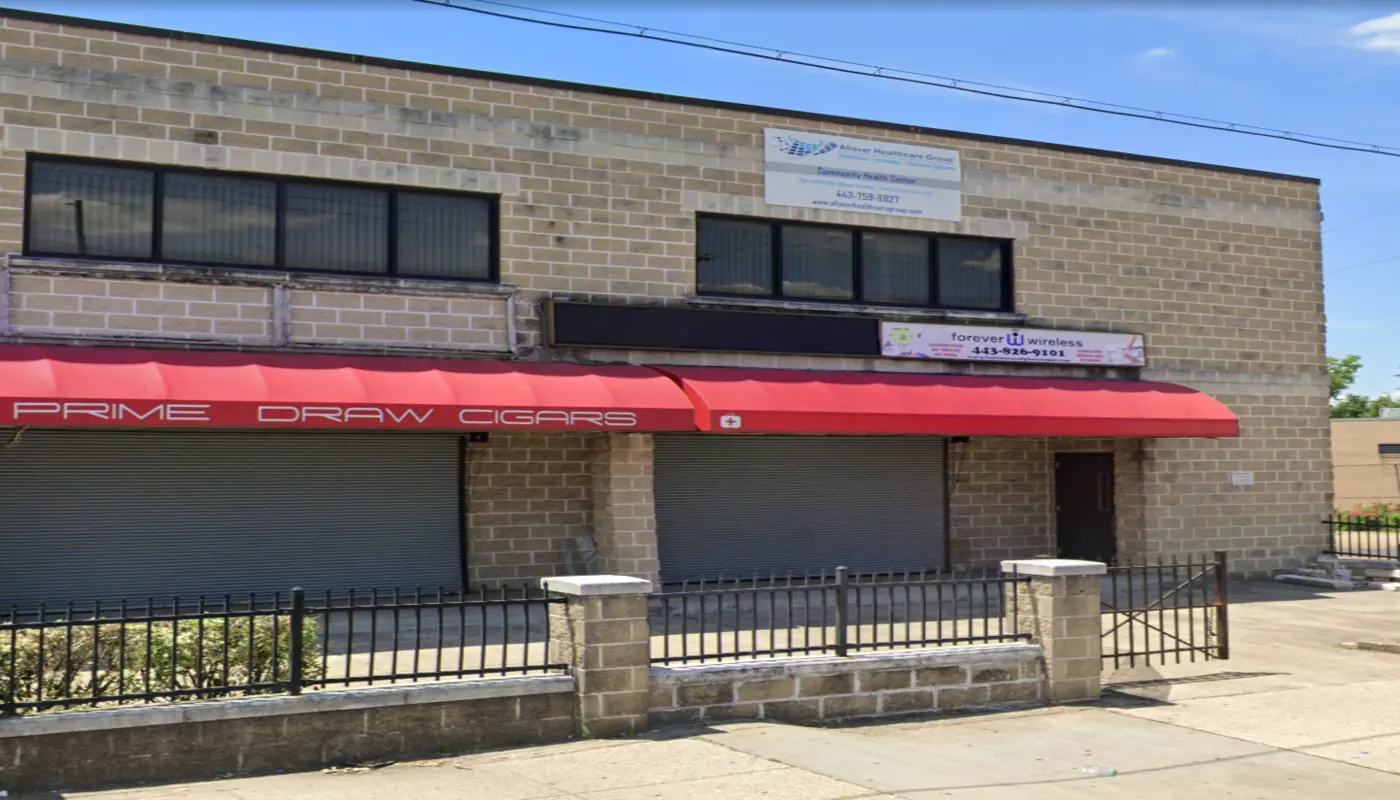
Allover Healthcare Group Baltimore is an outpatient practice on Reisterstown Road.
30 days
View facility -
Sheppard Pratt Lanham Day Program
Lanham, MD
- Outpatient
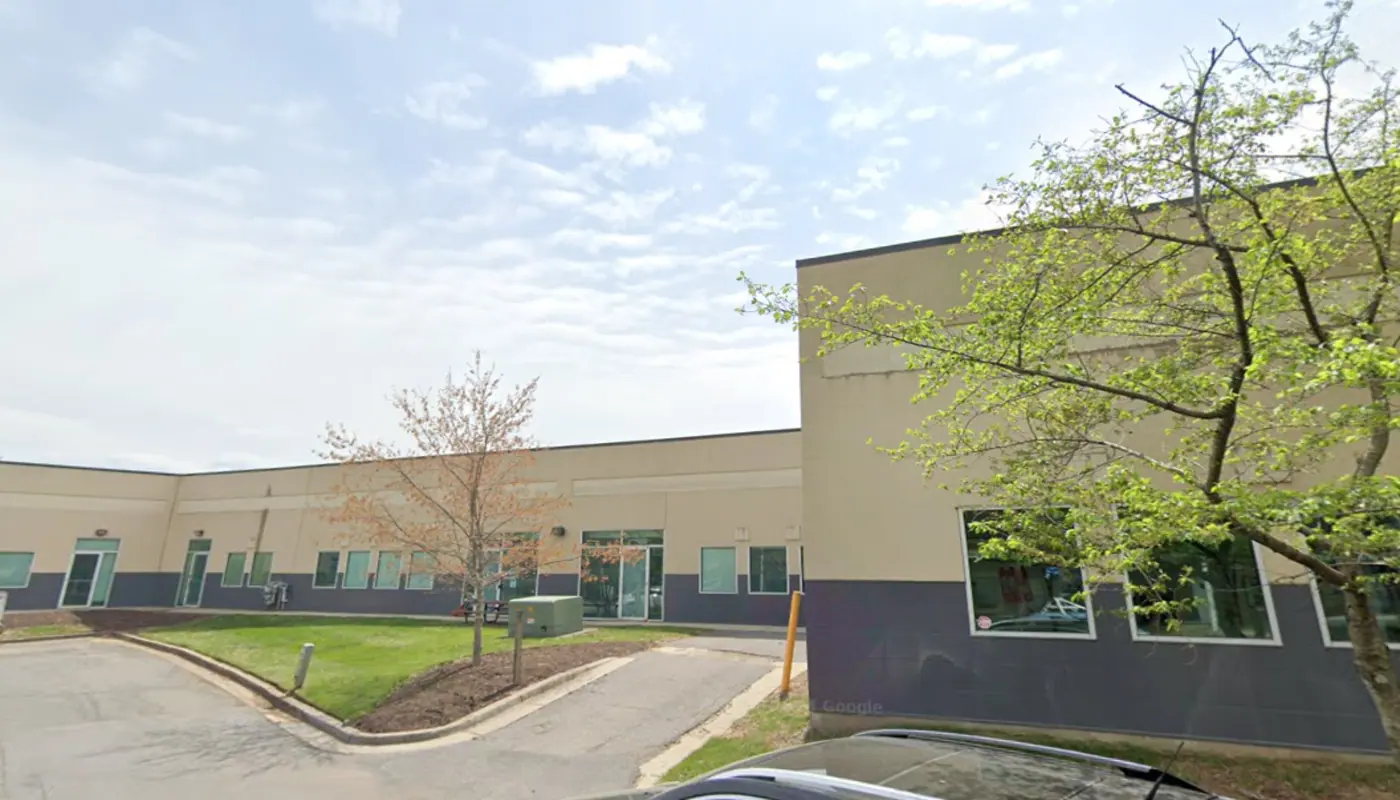
Sheppard Pratt Lanham Day Program Lanham offers structured outpatient care to adults facing mental health and substance use disorders.
5 days
View facility -
- Accredited by the Joint Commission
- Co-Occurring Mental Health
- Outpatient
- Detox
A Plus Counseling Center, located in Fort Washington, Maryland, provides outpatient care for substance use along with dual diagnosis care.
30 days
View facility -
- Outpatient
- Residential Rehab
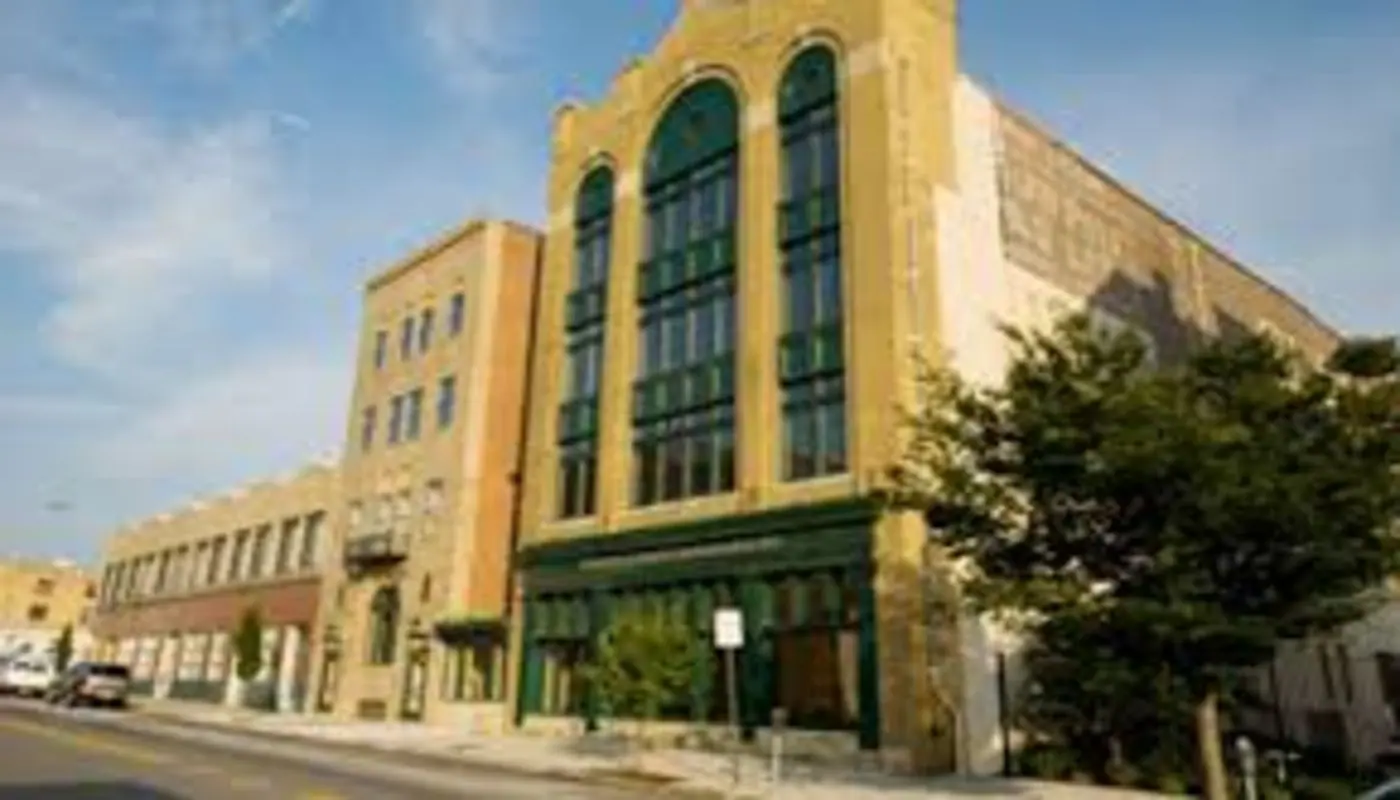
Helping Up Mission Baltimore is a faith-based alcohol rehab in Maryland located at 1029 E.
30 days
View facility -
- Co-Occurring Mental Health
- Outpatient
- Detox
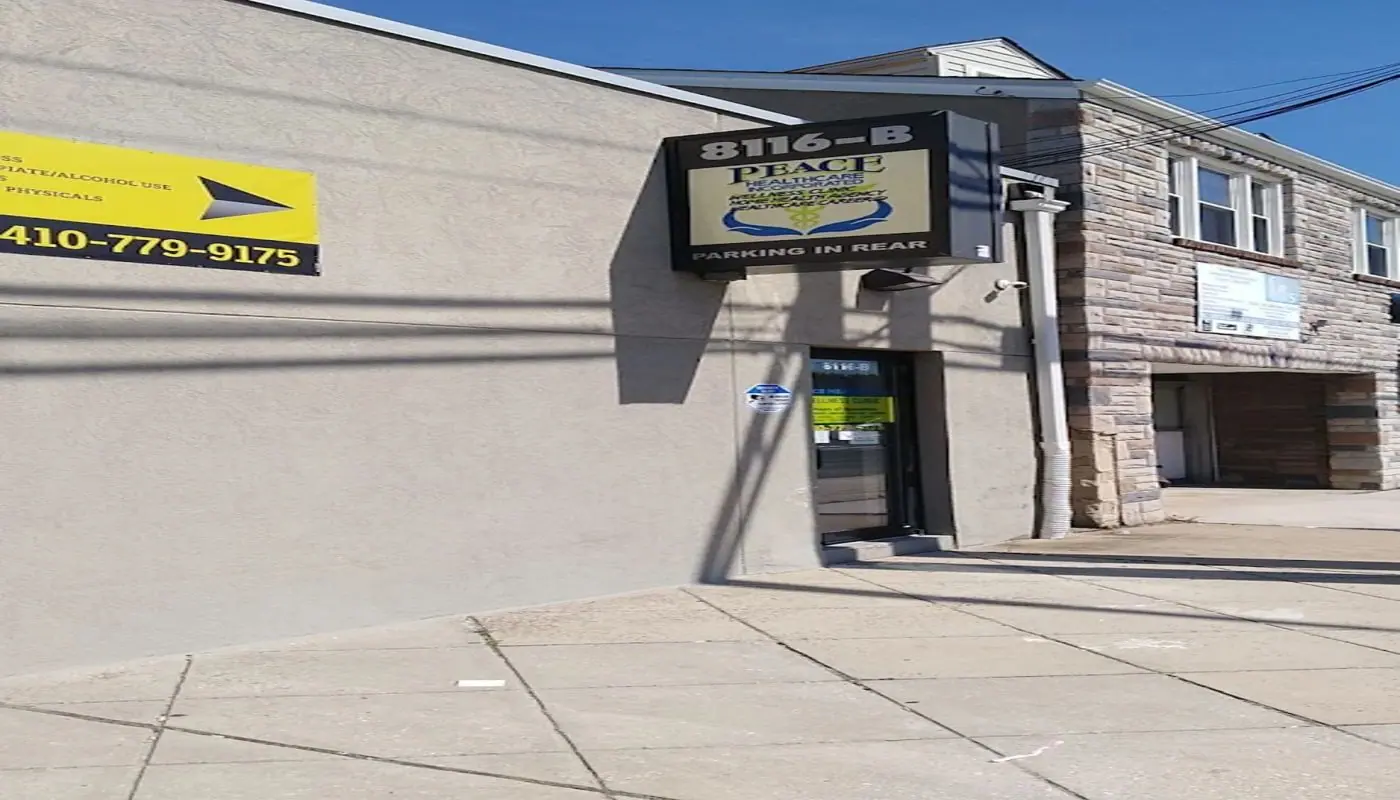
Peace Healthcare Parkville sits on Harford Road in Parkville, MD.
30 days
View facility -

Optimal Healthcare Services
Towson, MD
- Outpatient
Optimal healthcare services Towson is an outpatient clinic on Sister Pierre Drive.
5 days
View facility -
- Accredited by the Joint Commission
- Co-Occurring Mental Health
- Outpatient
- Detox
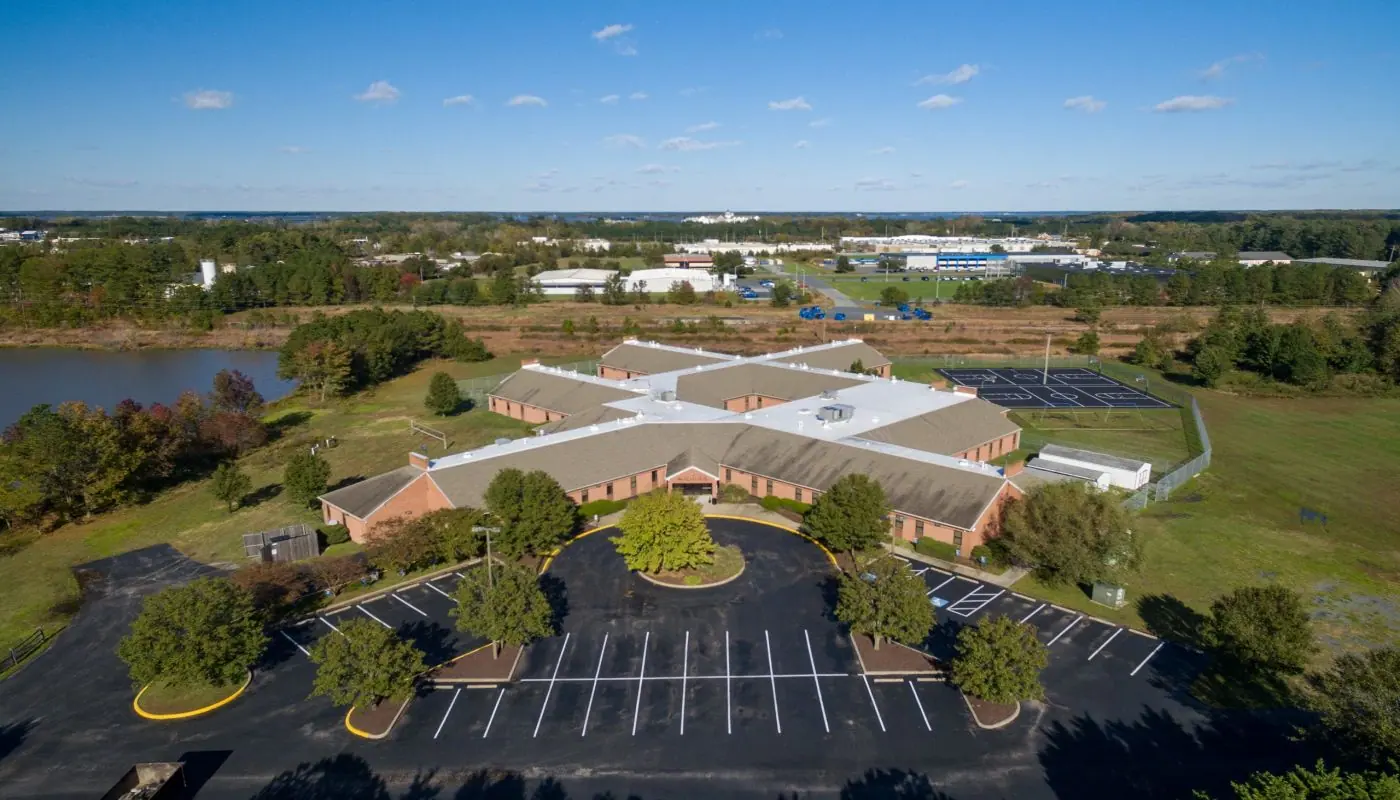
Avenues Recovery Center at Eastern Shore Cambridge is a residential and outpatient program for adults.
90 days
View facility -
- Accredited by the Joint Commission
- Co-Occurring Mental Health
- Detox
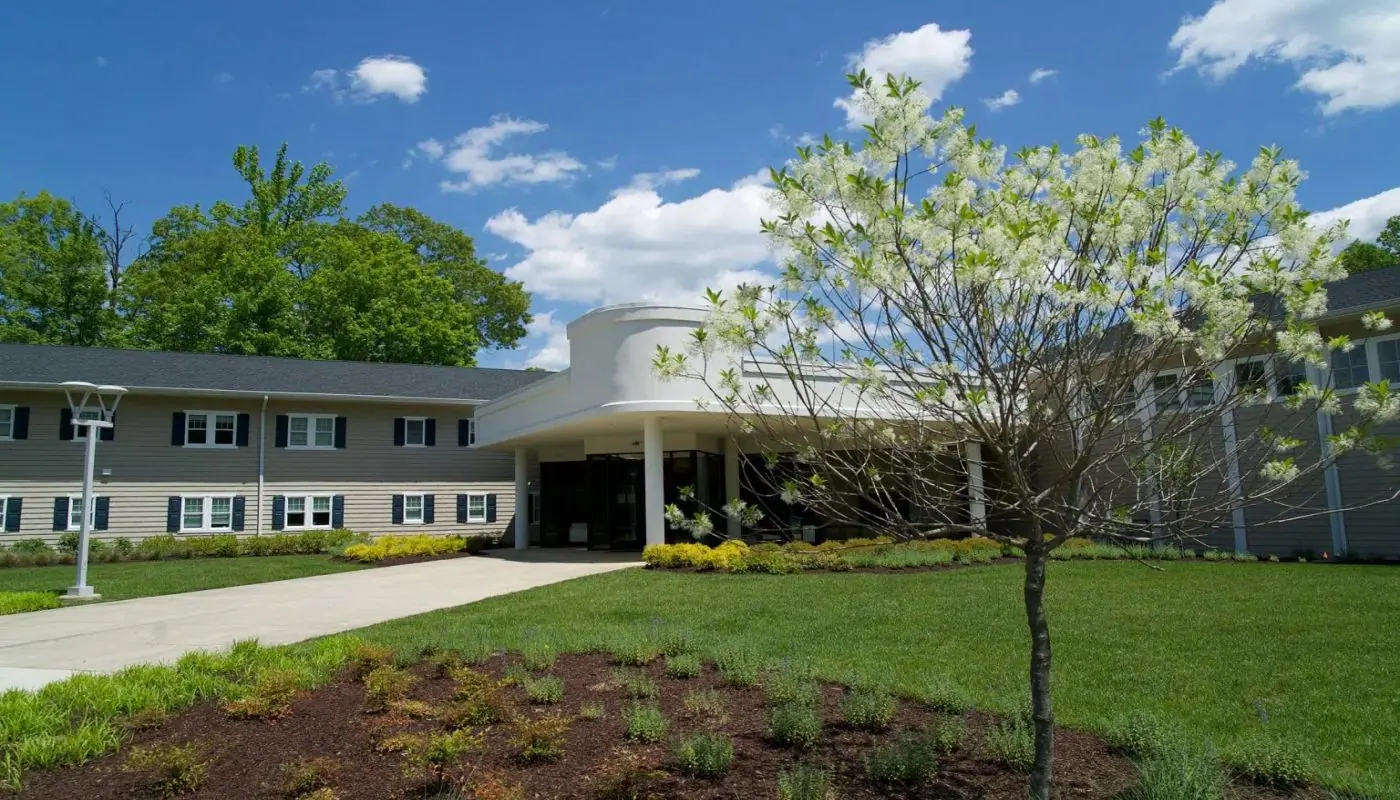
Recovery Centers of America at Capital Waldorf is a campus located in Waldorf, MD.
30 days
View facility -
- Co-Occurring Mental Health
- Outpatient
- Residential Rehab
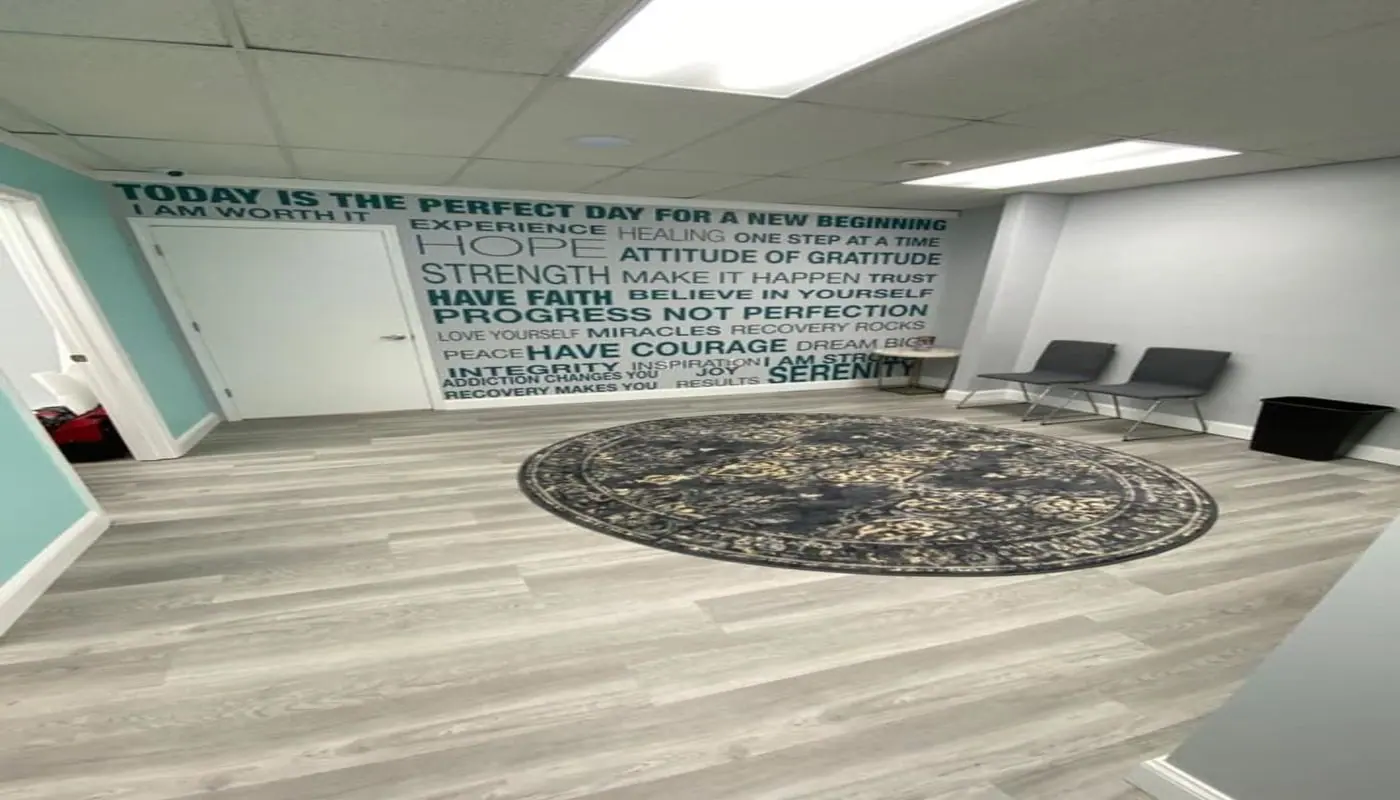
Addiction treatment of Maryland Dundalk is a center on Center Place.
30 days
View facility -
- Residential Rehab
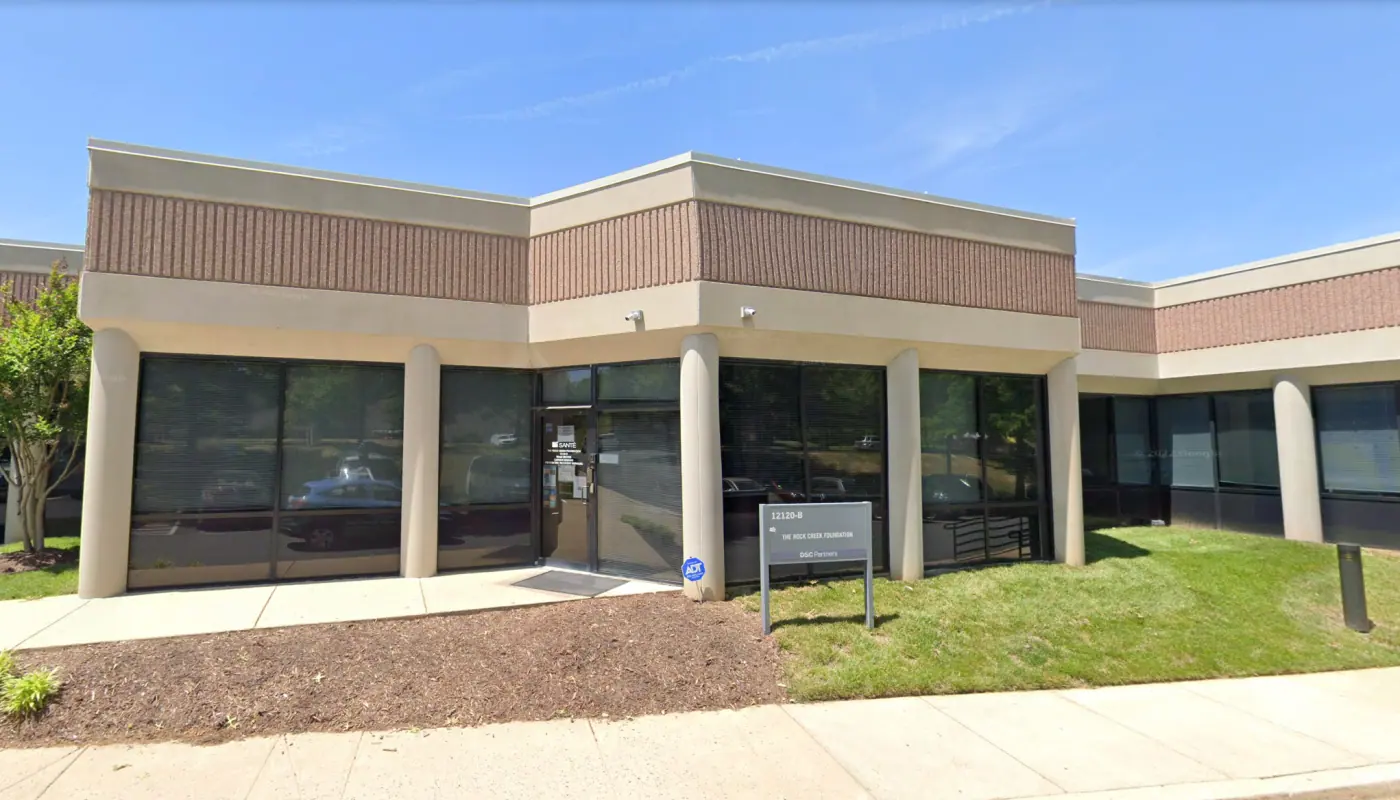
Rock Creek Foundation Silver Spring is a Maryland rehab for adults.
30 days
View facility -
- Outpatient
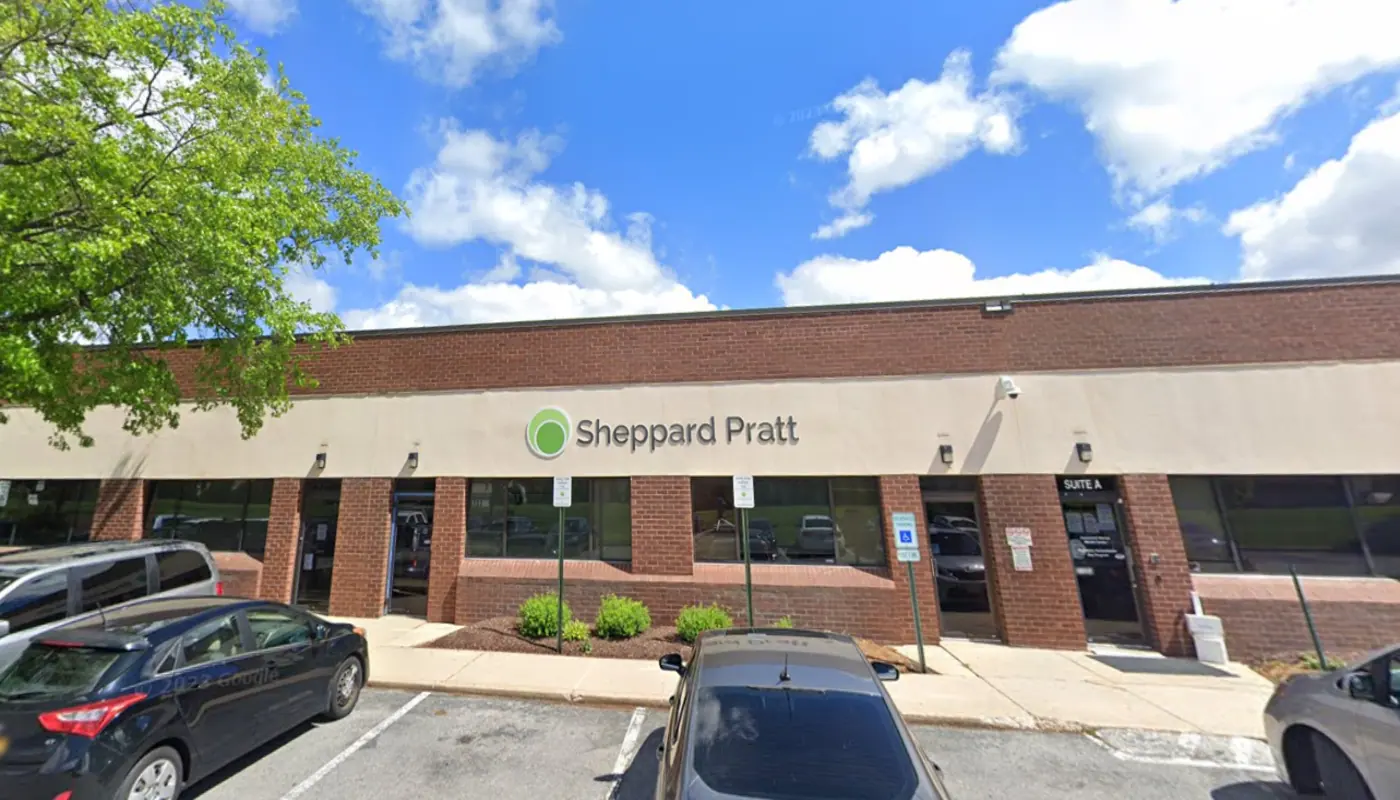
Sheppard Pratt Columbia provides outpatient alcohol rehab in Maryland.
5 days
View facility -
Costa Rica Treatment Center Riverside
Baltimore, MD
- Outpatient
- Detox
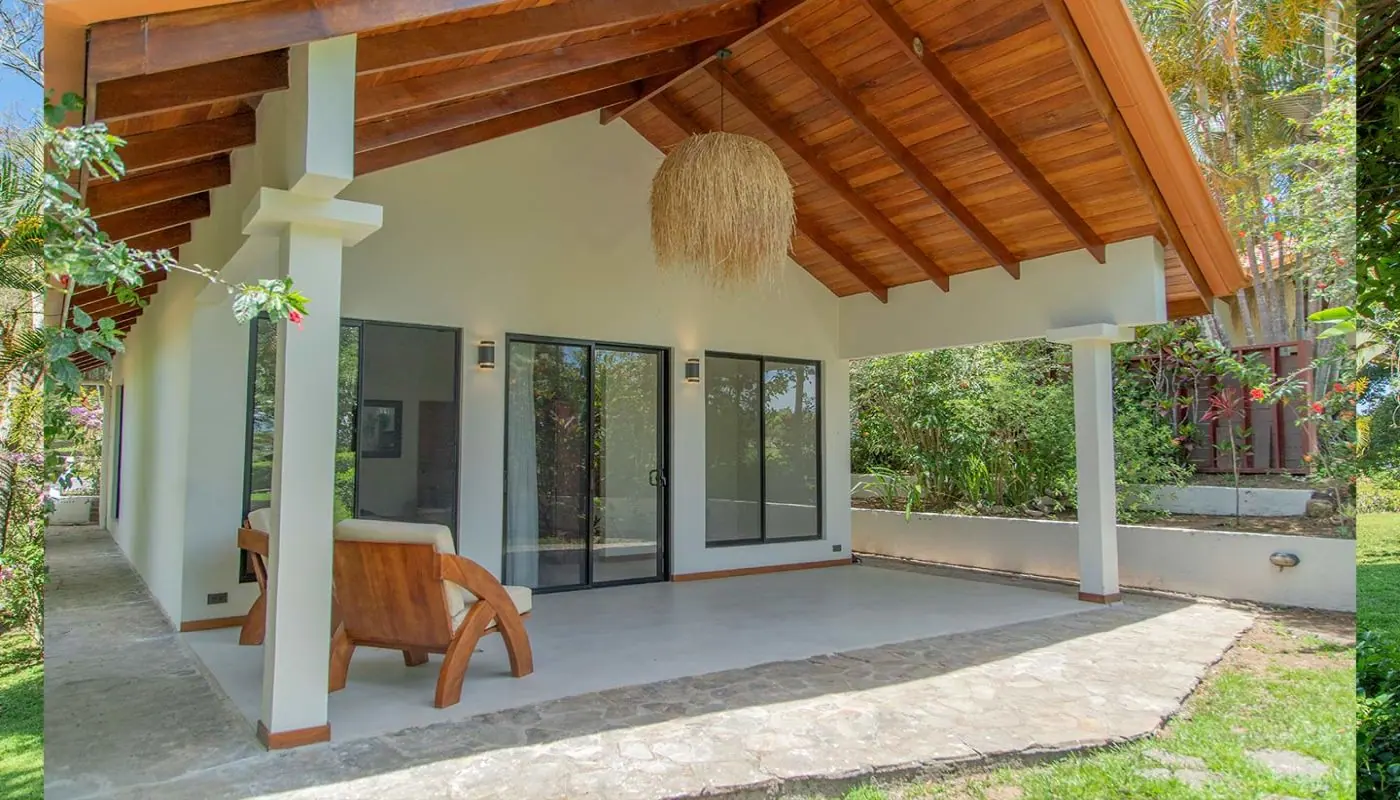
Costa Rica Treatment Center Riverside is a Baltimore program listed with SAMHSA.
120 days6-15 beds
View facility -
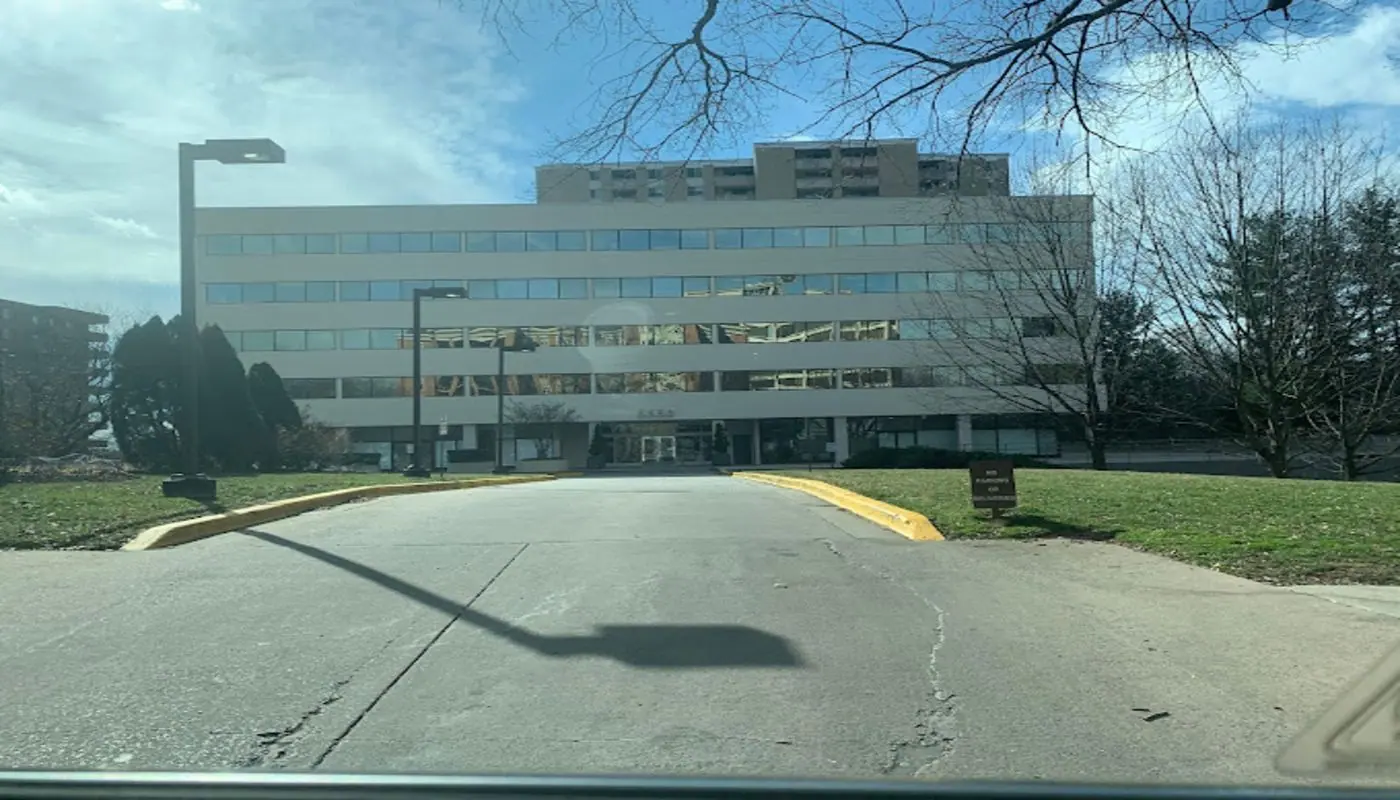
LifeStance Health Chevy Chase is an outpatient mental health practice in Chevy Chase, Maryland, listed among 422 facilities on SAMHSA FindTreatment.gov as of 2026.
30 days
View facility -
- Co-Occurring Mental Health
- Outpatient
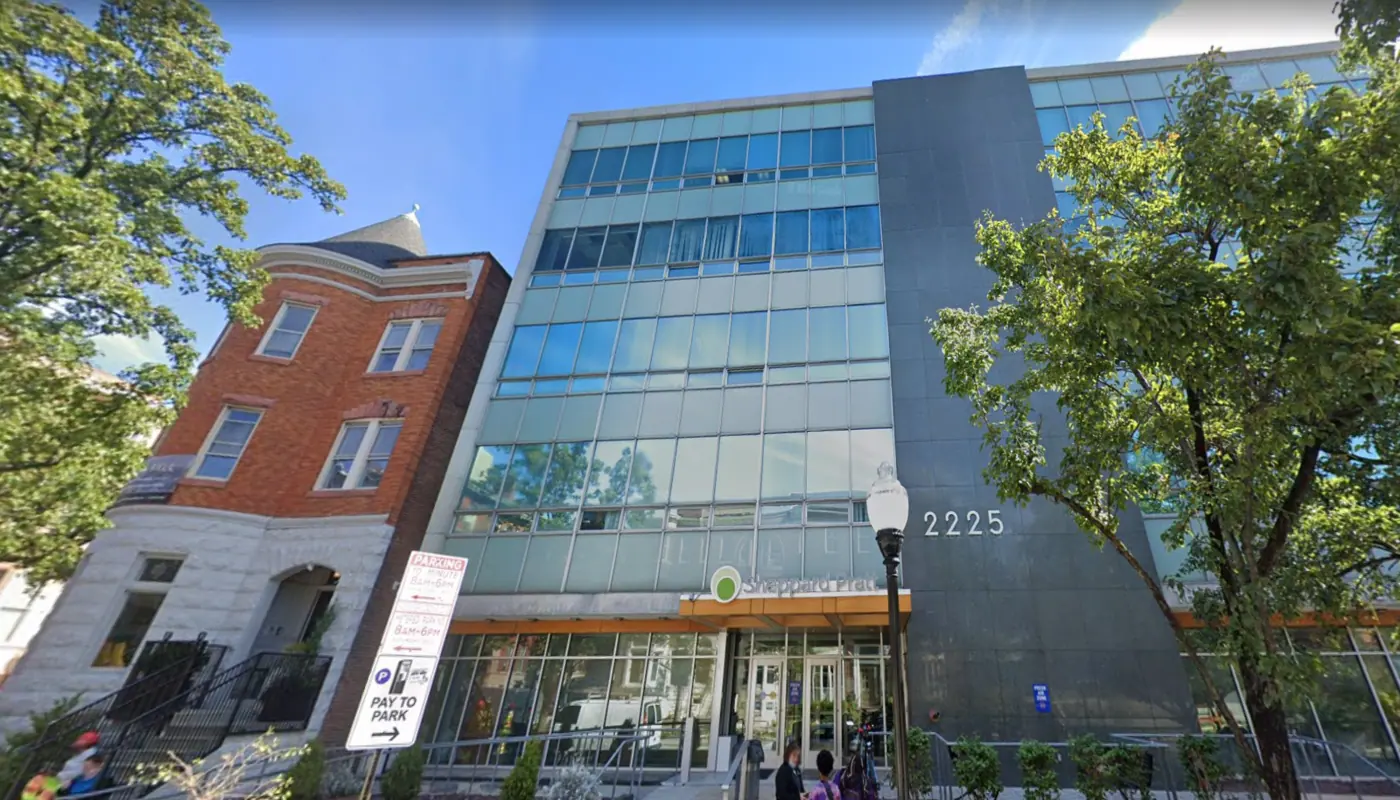
Substance use and mental health services on an outpatient basis is available at Sheppard Pratt Baltimore City in Baltimore.
5 days
View facility -
- Accredited by the Joint Commission
- Co-Occurring Mental Health
- Outpatient
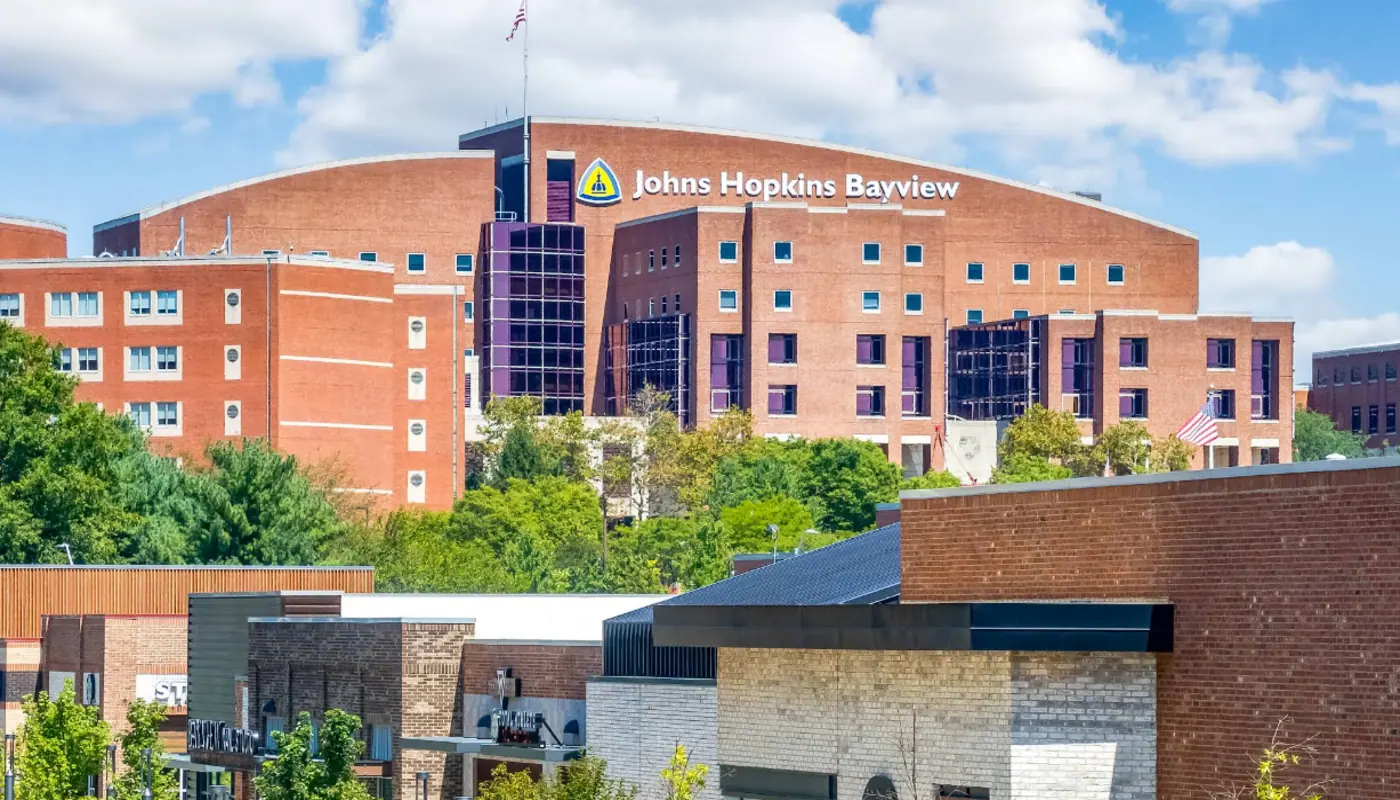
Outpatient addiction care is offered at Johns Hopkins Bayview Medical Center Baltimore, located on a hospital campus.
30 days
View facility -
- Co-Occurring Mental Health
- Detox
- Residential Rehab
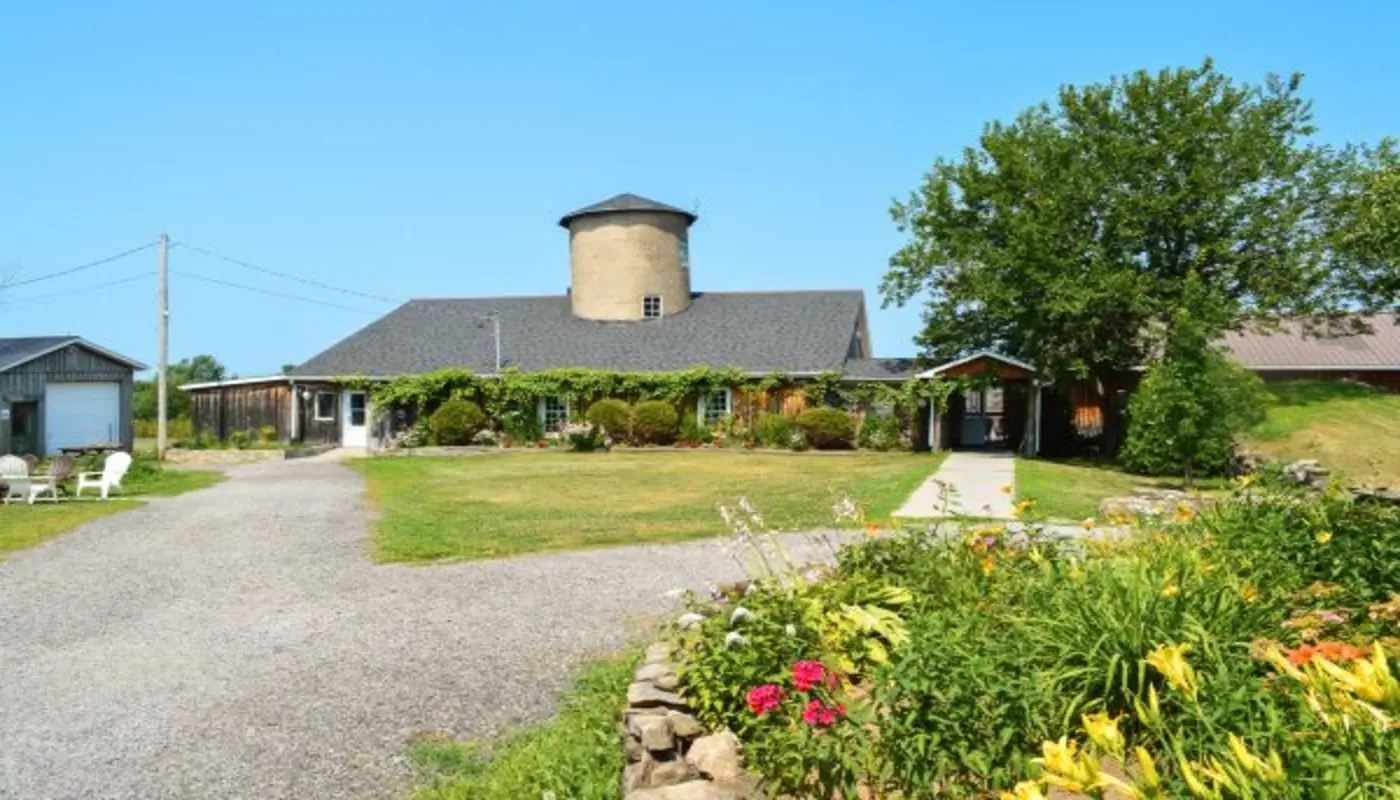
Detox, residential rehabilitation, and care for dual diagnosis care are offered at Heritage Treatment Foundation Baltimore.
90 days6-15 beds
View facility -
- Outpatient
- Residential Rehab
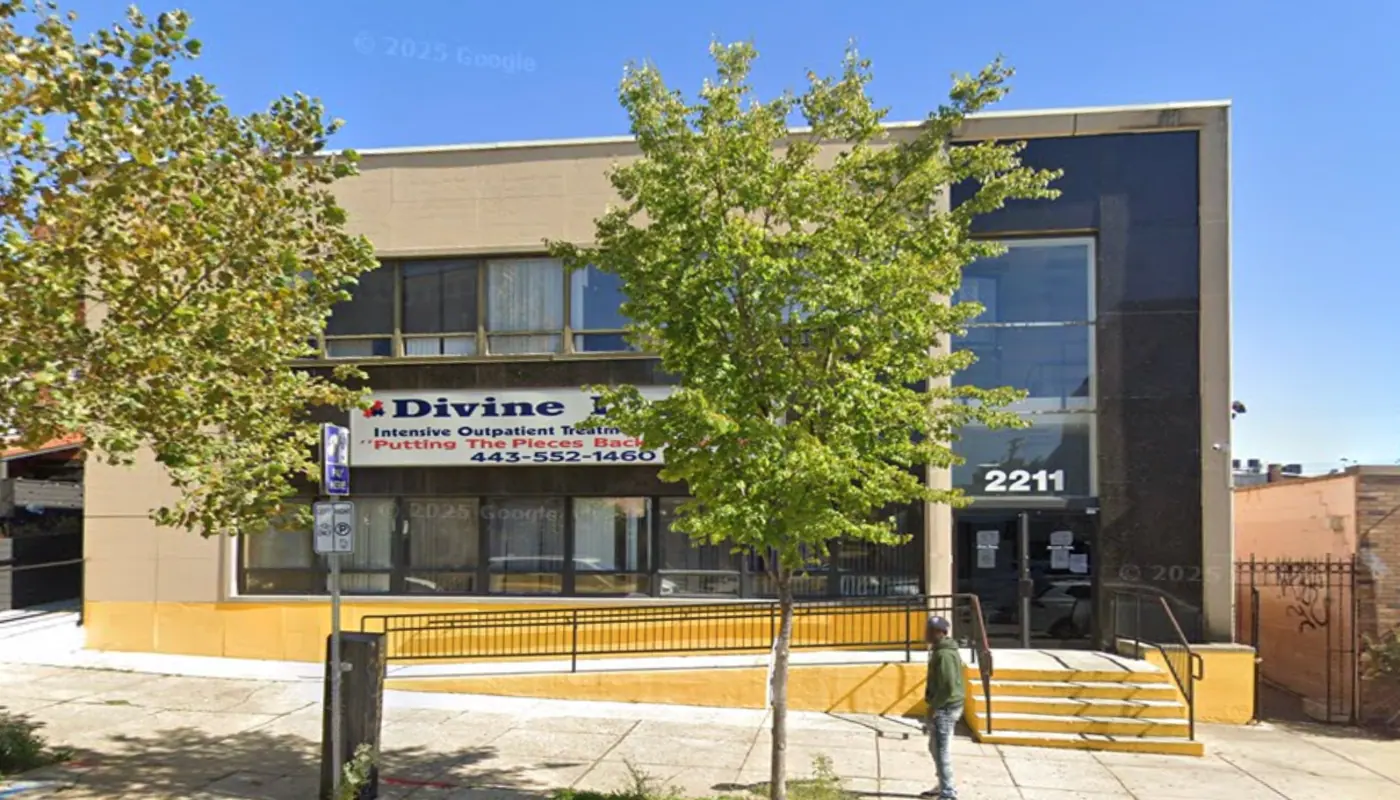
divine light residential treatment Baltimore is listed at 2211 Maryland Avenue, ZIP 21218.
5 days
View facility -
- Outpatient
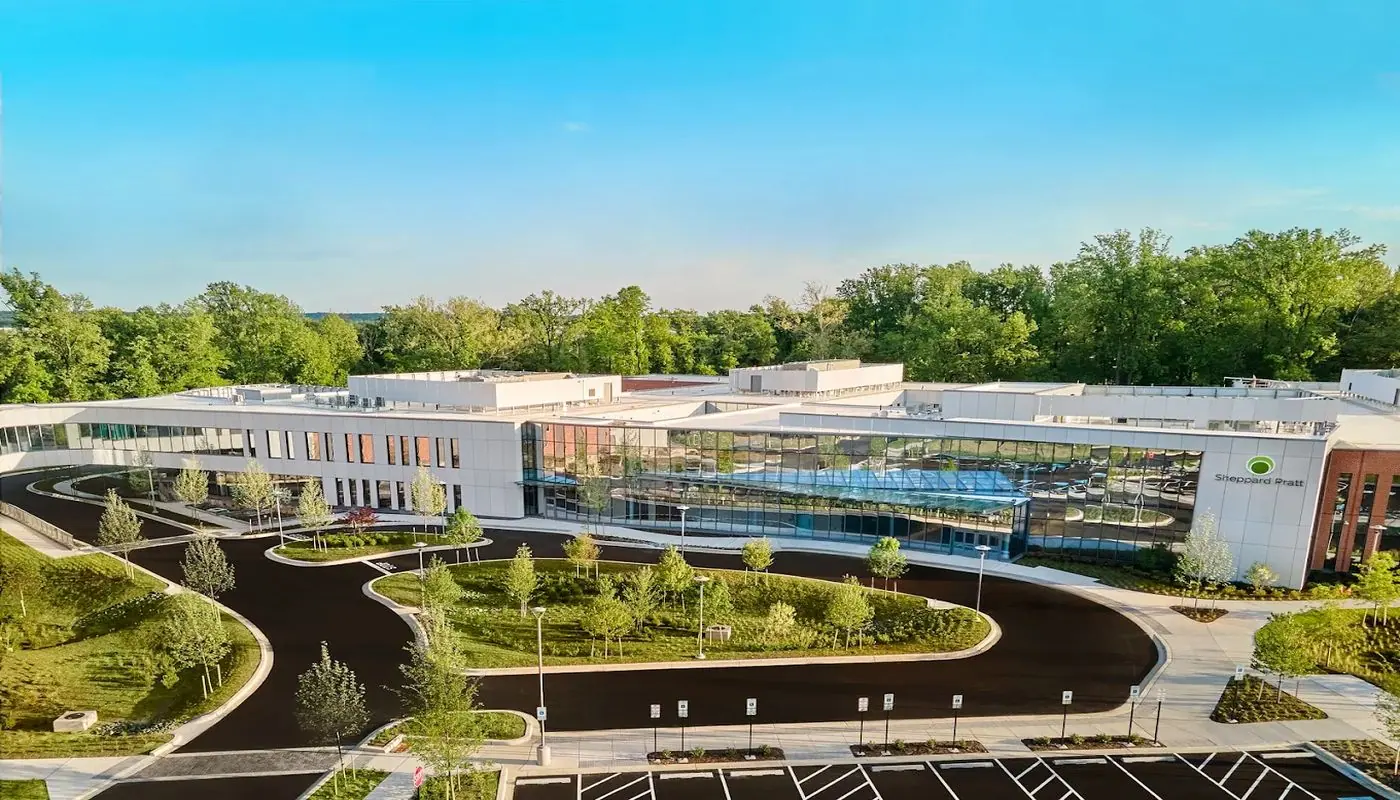
Sheppard Pratt Baltimore Elkridge offers outpatient care for mental health and addiction.
5 days
View facility -
- Accredited by the Joint Commission
- Outpatient
Sandstone Care Maryland #403 Rockville is an outpatient treatment center in Rockville, MD.
90 days31-50 beds
View facility -
- Detox
- Residential Rehab
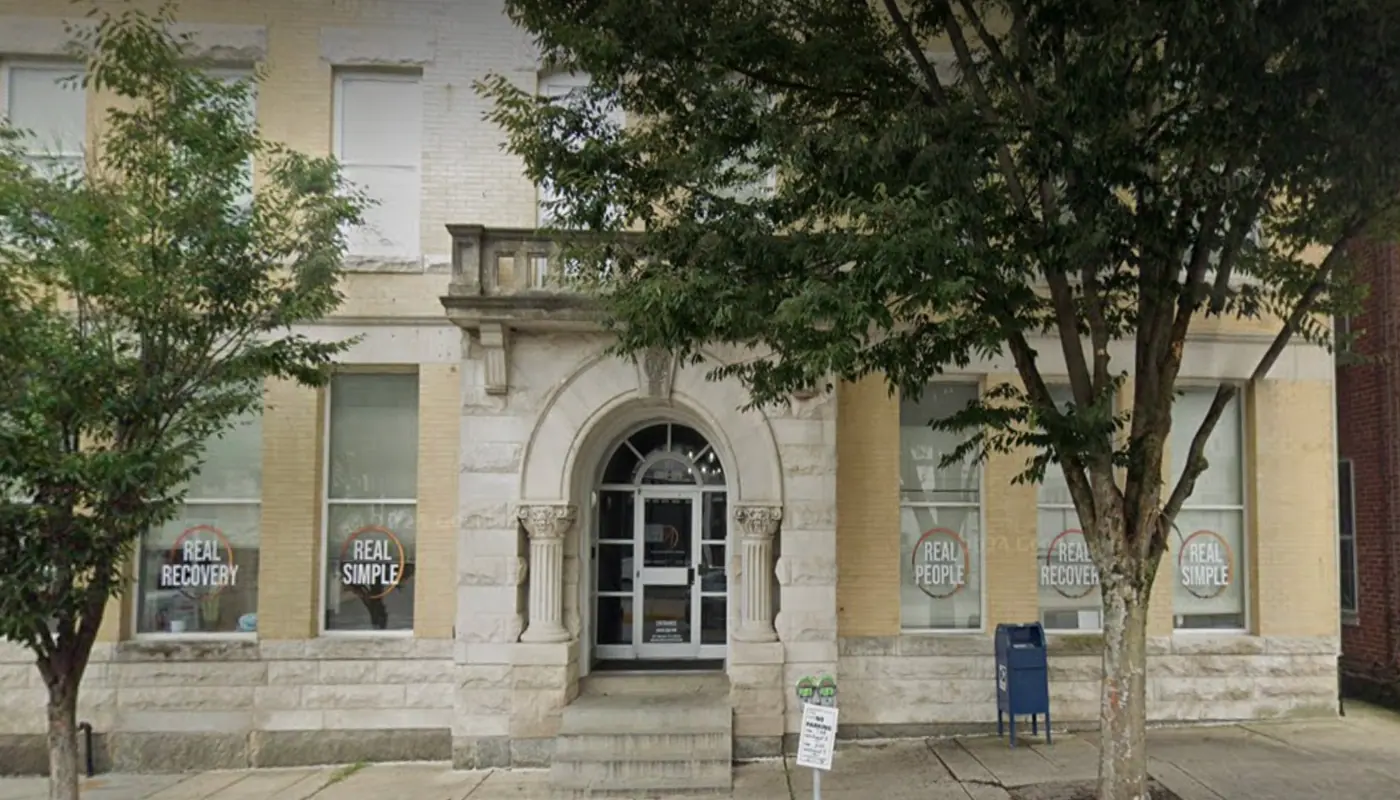
Mulligan Recovery Centers Westminster provides detox and residential care for alcohol use disorder.
30 days
View facility -
E & S Behavioral Health Services
Baltimore, MD
- Outpatient
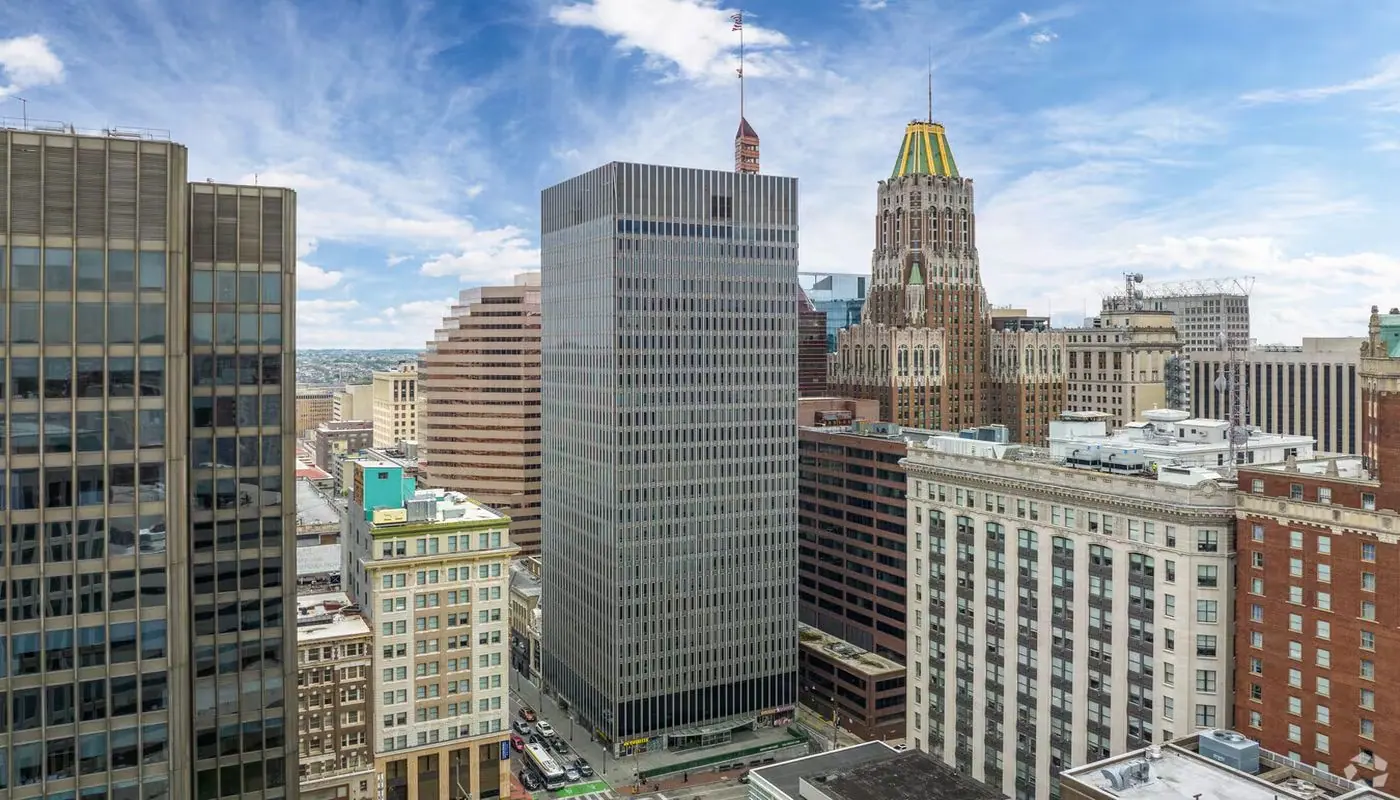
E & S Behavioral Health Services Baltimore offers outpatient counseling in downtown Baltimore.
30 day
View facility -
- Outpatient
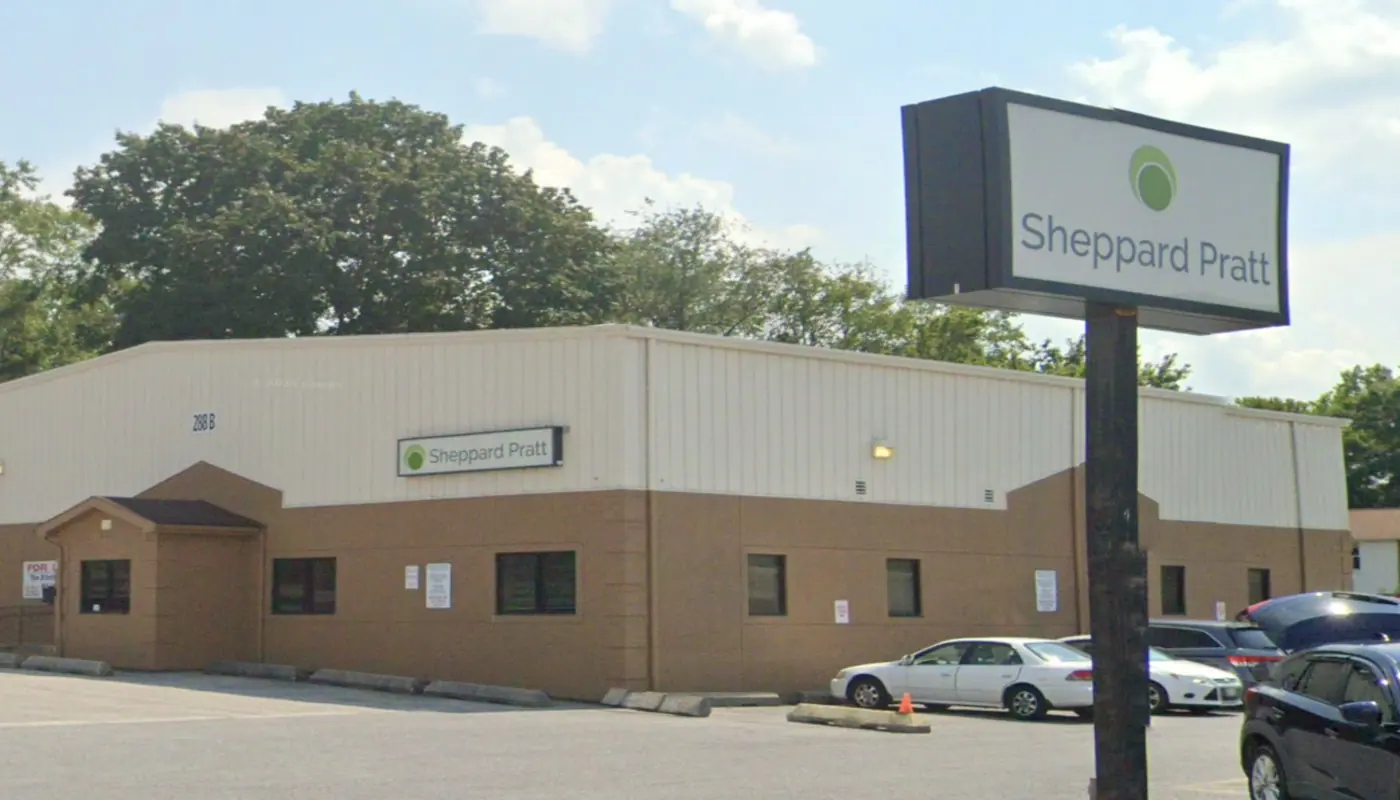
Sheppard Pratt Westminster is an outpatient behavioral health center at 288 E.
5 days
View facility -
- Accredited by the Joint Commission
- Co-Occurring Mental Health
- Outpatient
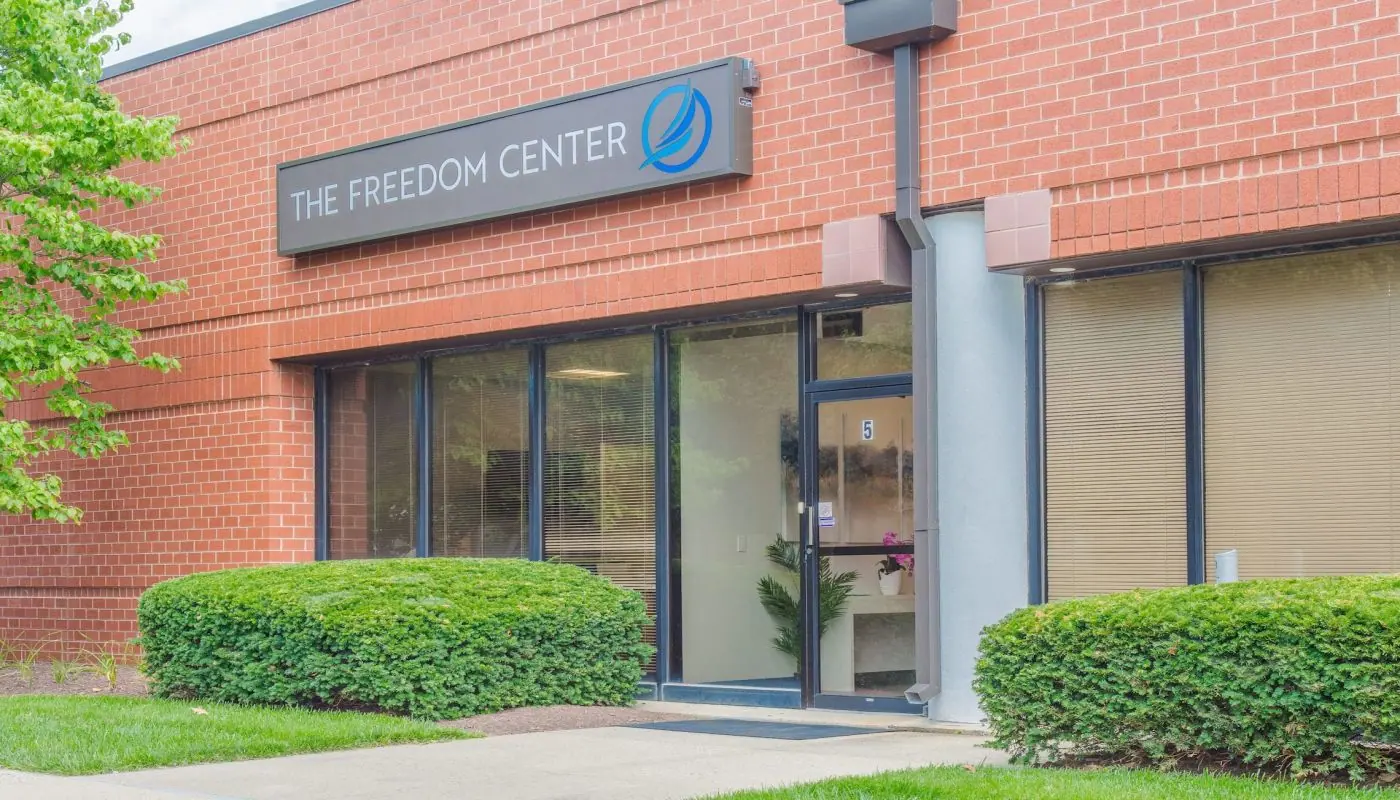
The Freedom Center Gaithersburg provides outpatient care for people facing alcohol and drug challenges.
30 days
View facility -
- Accredited by the Joint Commission
- Co-Occurring Mental Health
- Outpatient
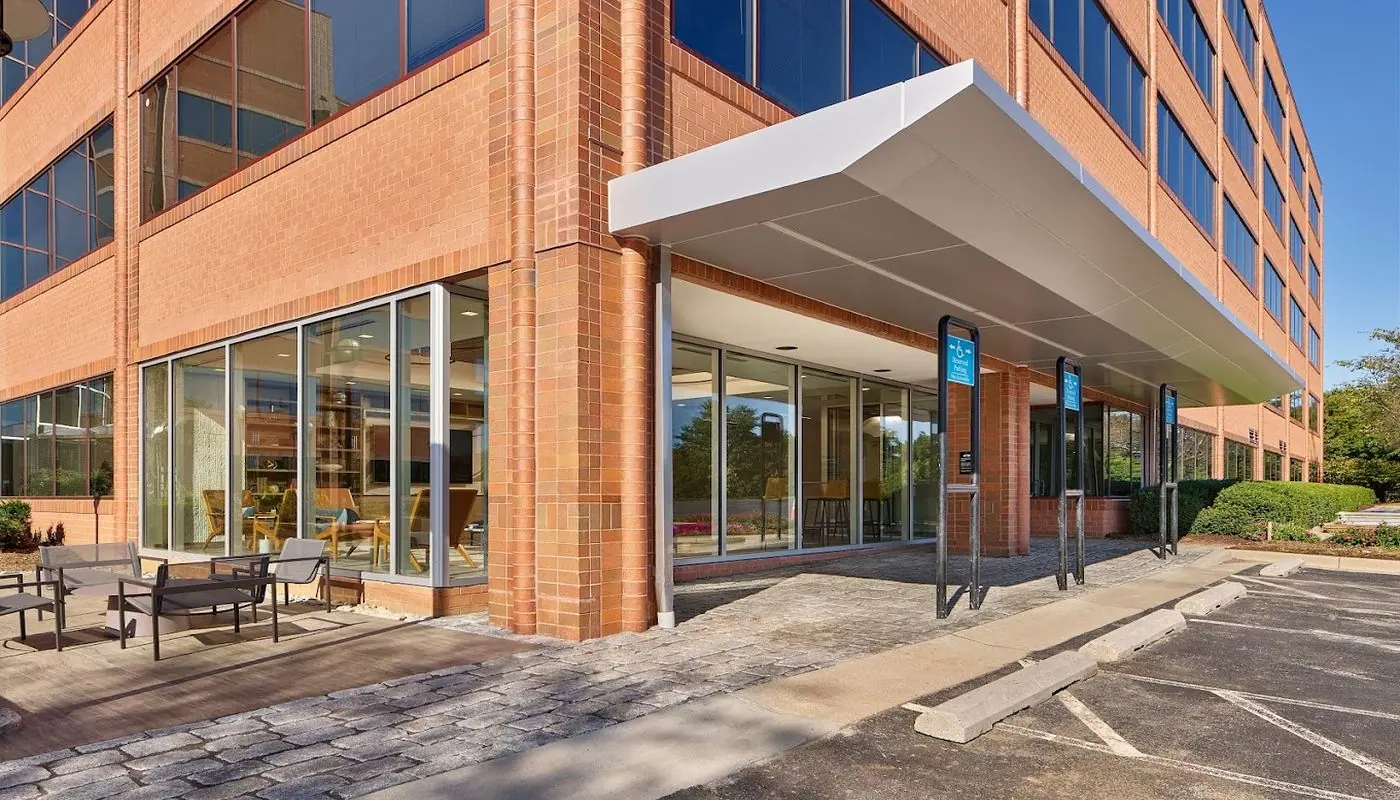
Embark at Rockville offers treatment to teenagers and those close to them.
30 days
View facility -
K&I Healthcare Services Baltimore
Baltimore, MD
- Co-Occurring Mental Health
- Outpatient
- Detox
A calm first call can clarify your options.
30+ days
View facility -
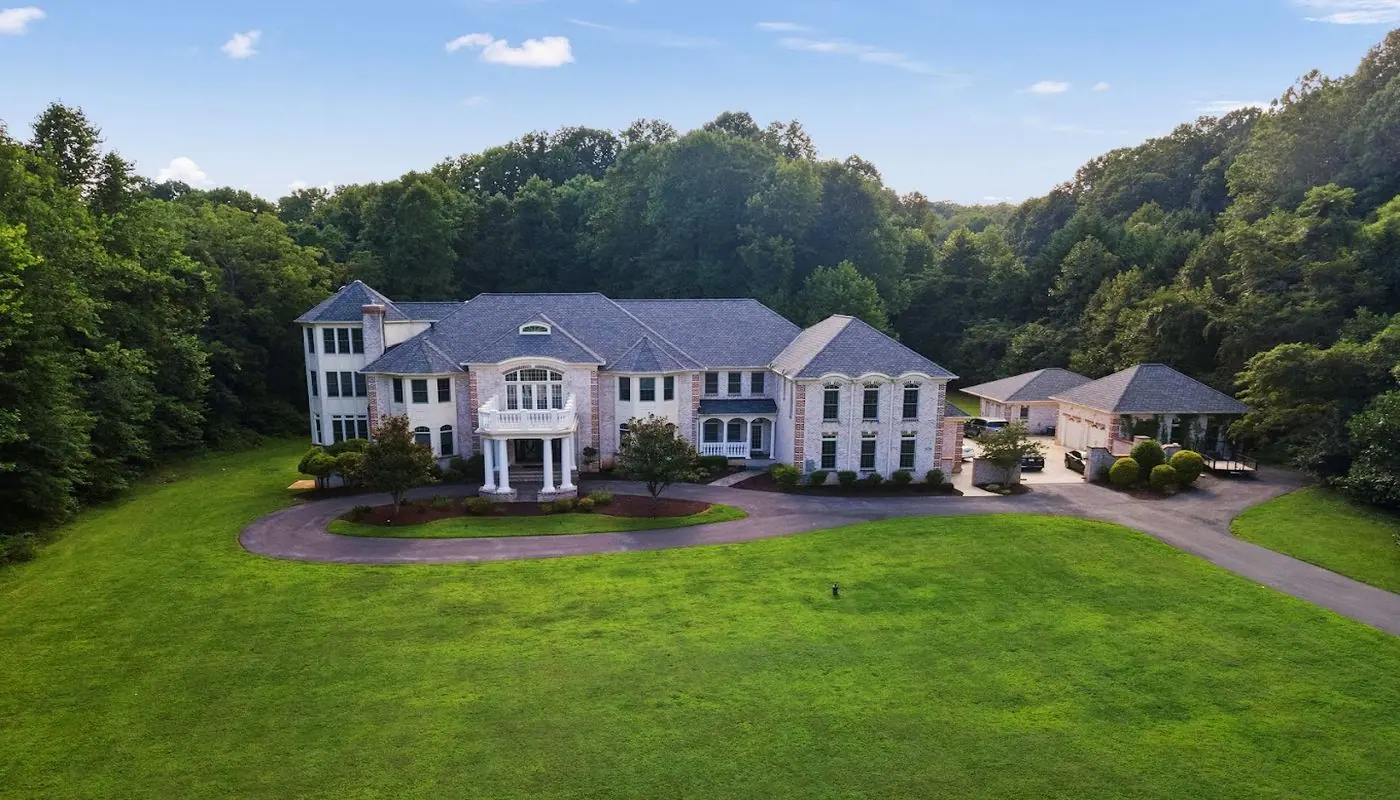
- Co-Occurring Mental Health
- Residential Rehab
Recovery Life Group Upper Marlboro is a residential rehab in Maryland.
90 days16-30 beds
View facility -
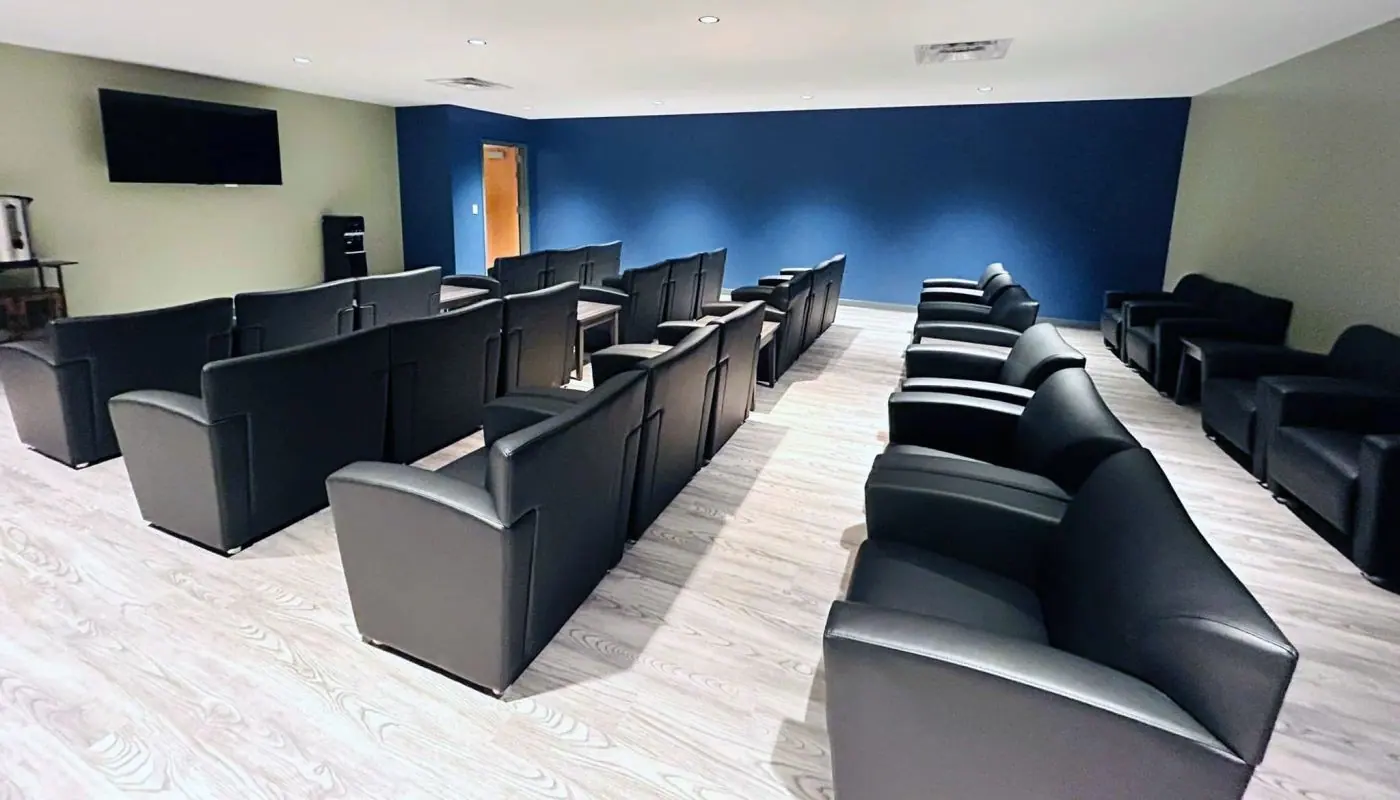
Pyramid Prince George's County
Bowie, MD
- Co-Occurring Mental Health
- Detox
- Residential Rehab
Pyramid Prince George's County Bowie is a residential rehab located in Bowie, Maryland, that opened in 1999.
60 days16-30 beds
View facility -
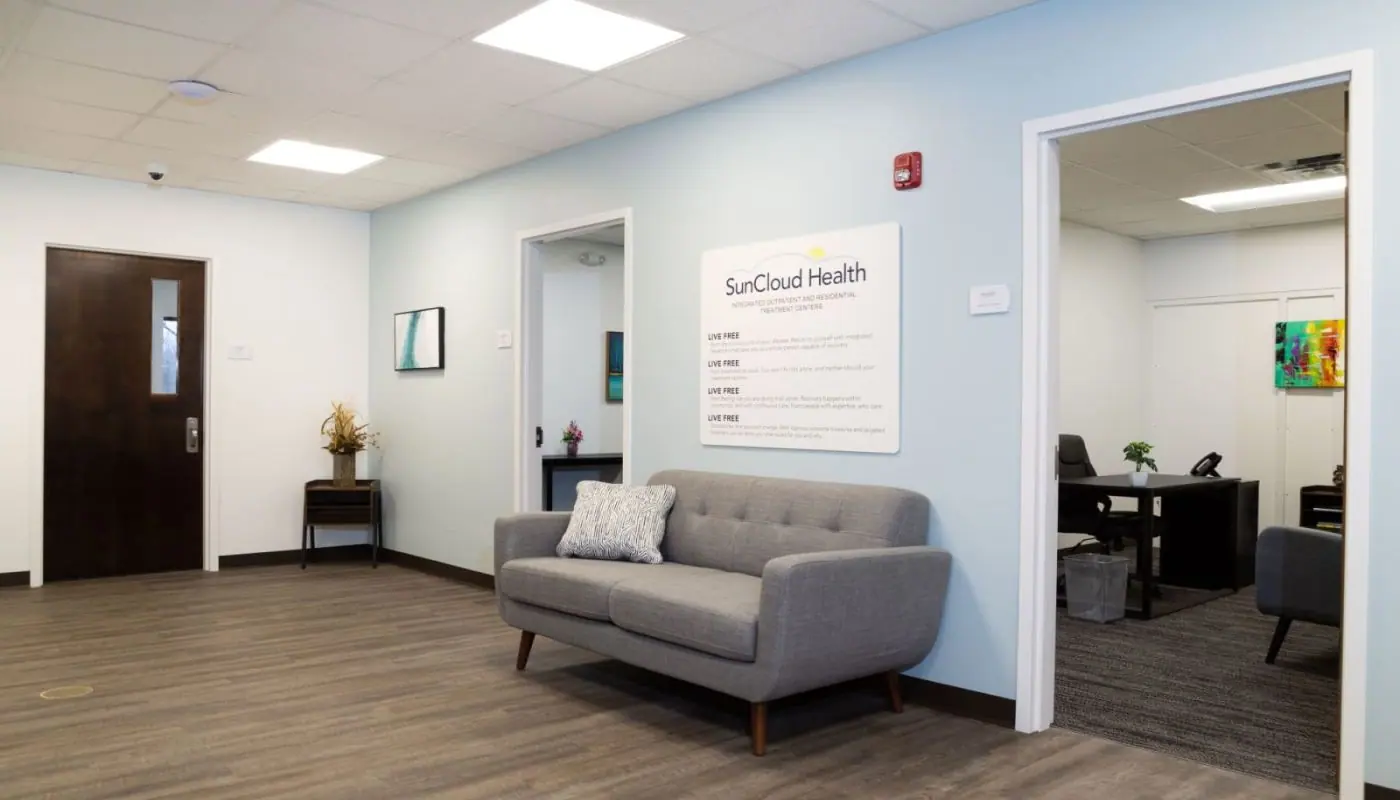
SunCloud Health Gaithersburg
Gaithersburg, MD
- Accredited by the Joint Commission
- Outpatient
SunCloud Health Gaithersburg provides outpatient alcohol and drug treatment in Gaithersburg, Maryland.
45 days
View facility -
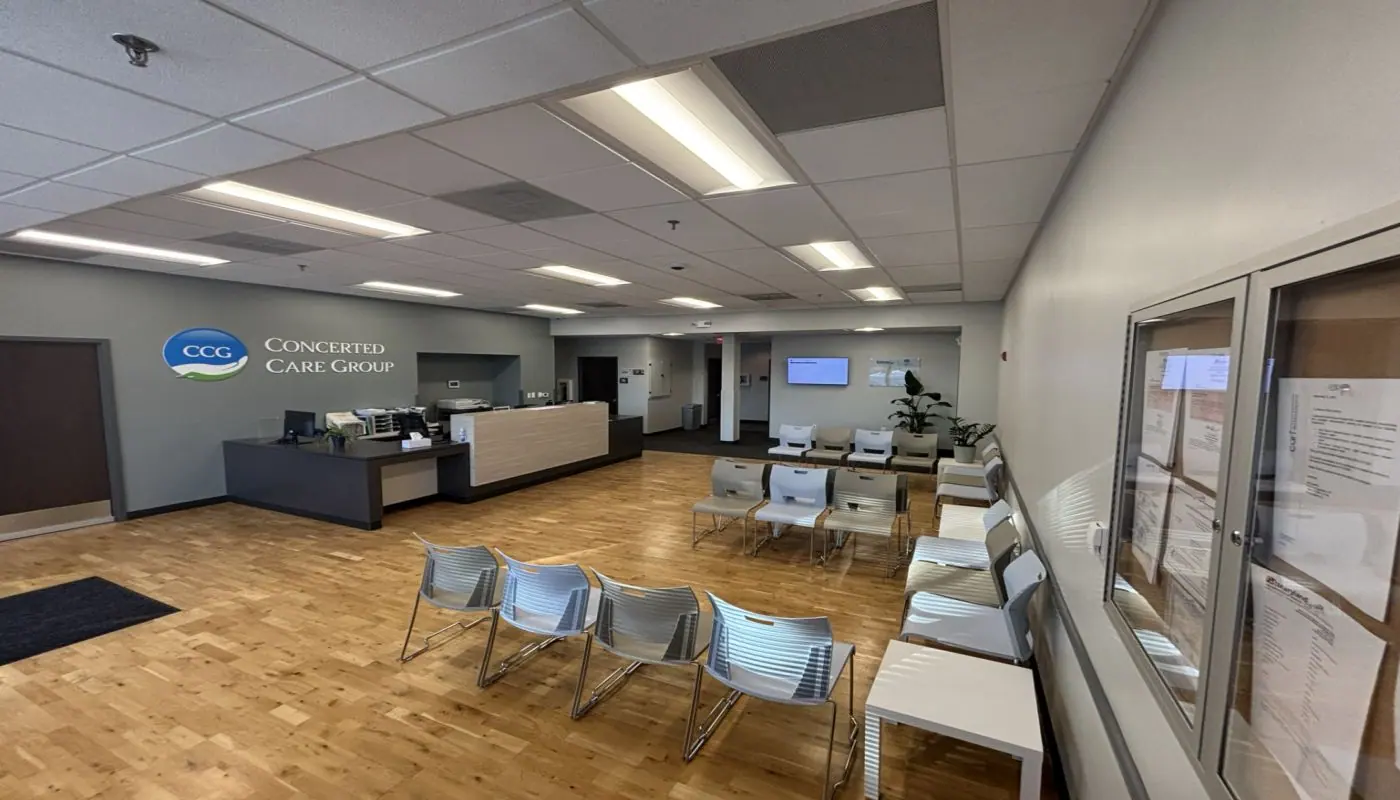
- Co-Occurring Mental Health
- Outpatient
Concerted Care Group Frederick gives adults in Frederick, Maryland, a structured outpatient choice.
30 days
View facility

The listings shown here draw on SAMHSA FindTreatment.gov, the federal directory that treatment programs use to describe themselves. Across the state, 422 facilities appear, and 100 of them have more detailed pages on this site covering services, settings and how payment works. The city counts are small and specific: Baltimore has 25 listings, and Hagerstown, Glen Burnie, Gaithersburg, Arnold, Towson, Columbia, Westminster and Frederick each have clusters of three. Rockville, Annapolis, Waldorf, Crownsville, Silver Spring and Timonium each show two, which helps when you want care near home.
Each listing shows what a program offers: whether it runs outpatient, inpatient or detox services and whether it accepts Maryland Medicaid or works with private insurance. Listings do not rate quality or promise openings. When a program looks like a fit, the helpline can call ahead with you to ask about current availability and how your coverage would apply. That keeps the decision grounded in real answers rather than guesswork.
When you are unsure where to begin, start with the setting instead of the name. Someone who drinks heavily each day may need withdrawal watched by medical staff before anything else, while a person with steady housing and work might do well in intensive outpatient care. Let the city counts narrow the map, then use the listings to see which programs fit the level of care a clinician recommends. Comparing alcohol rehab programs across Maryland means checking withdrawal safety, payment and location first.

Alcohol treatment centers Maryland
Check the level of care first
A residential program, a PHP schedule and weekly outpatient visits solve different problems. Match the setting to how much structure the person needs, and ask whether withdrawal care is provided on site or through a partner. Residential and outpatient programs in Maryland differ in structure and daily demands.
Ask about withdrawal safety
Alcohol withdrawal can become dangerous quickly, and benzodiazepine withdrawal carries similar risk. A clinician should assess and oversee this stage, because seizures and other complications are possible. Ask each program how it handles that first week. Tapering and dosing decisions belong to a clinician, never to a self-guided plan.
Confirm payment before visiting
Ask a program plainly whether it takes Maryland Medicaid or your private insurance, and try to get that answer in writing. Coverage shapes which centers are realistic, so filter by payment before you filter by distance. If a center accepts Maryland Medicaid, then your out-of-pocket cost may drop sharply.
Weigh location and daily logistics
A center forty minutes away may work for residential care but not for daily outpatient visits. Factor in transport, work schedules and family duties, then compare the Baltimore options against the smaller city clusters. If daily outpatient visits are the plan, then a nearby Baltimore program may fit better.
FAQ
How many alcohol treatment centers Maryland has in the listings?
As of November 1, 2026, the directory drawn from SAMHSA shows 422 facilities statewide, and 100 of those have detailed pages on this site. The figure covers programs that list alcohol treatment among their services, spanning settings from detox through outpatient. Counts change as programs open, close or revise their records, so treat the number as a starting point and confirm specifics with the program.
Does Maryland Medicaid cover alcohol rehab?
Plenty of listings note that they take Maryland Medicaid, though every program sets what it bills and how many openings it keeps. Ask the program's intake staff which services your coverage includes, and get that answer before you schedule an assessment. The hotline can assist you to verify coverage at a particular center at no charge, with nothing required from you.
How long do people usually stay in inpatient rehab?
Length of stay varies by program and by clinical need, and the listings themselves do not state a standard duration. Residential care often runs a few weeks, with longer stays for people who need more support. Ask each center how it sets discharge timing and what outpatient follow-up it connects people to afterward.
What if someone needs alcohol detox before treatment?
Detox is the first concern when heavy drinking has been ongoing, because withdrawal can cause seizures and other serious problems. A clinician should evaluate the person and decide whether monitored withdrawal is needed. Ask whether a program offers detox on site or refers out, and never attempt to manage withdrawal alone at home.
How much is a week of detox in Maryland?
The listings do not publish prices for detox, and costs vary by program, length of stay and insurance. A center that accepts Maryland Medicaid may bill the state program for eligible services, while private plans follow their own rules. Call the program's intake line to ask what a week of detox would cost under your coverage before you commit.
What are some acute rehabilitation facilities in Maryland?
The directory includes 422 facilities statewide, and some provide acute or medically monitored withdrawal alongside longer-term care. To narrow the list, filter for detox or inpatient services and check whether the program accepts Maryland Medicaid or your insurance. Then call to confirm that acute rehabilitation is offered on site rather than through a referral partner.
Talk through Maryland listings
Trained staff pick up the helpline at any hour, and they can walk through the directory alongside you, see whether a program has room, and clarify how insurance or Maryland Medicaid could apply. Calls cost nothing, stay private, and obligate you in no way. Reach out when it feels right, even just to ask what a level of care involves.