Maryland alcohol rehab options
Alcohol rehab in Maryland takes many shapes, from medical detox to outpatient counseling. The state has 422 facilities listed by SAMHSA that are ready to help. This guide covers levels of care, ways to pay, and how to get started.
- facilities listed
- 422
- provide detox
- 88
- take Medicaid
- 392
What happens on your helpline call
Call the free, private helpline and a treatment advisor answers, asks a few questions about your situation, and helps you explore options; the call costs nothing, stays private, and requires nothing from you. The helpline is private and free and you are never obligated to commit. Advisors may ask about your drinking, any past treatment, your insurance, and where you live so they can find suitable programs. If you are unsure what to ask, the advisor can guide the conversation. Advisors ask about your needs to match you with appropriate Maryland alcohol rehab programs. They can explain levels of care, payment choices, and what to expect. If you have insurance, have your card ready to check coverage. The helpline is staffed by advisors who place callers with licensed programs, not by a treatment center itself. The service is available 24/7, so you can call whenever you need. You are never pressured to enroll; the goal is to give you information so you can make an informed decision. If you decide to pursue treatment, the advisor can help you contact programs directly. For an immediate crisis, call or text 988.
Maryland overdose data and its meaning
In the 12 months ending May 2026, Maryland recorded 1,295 overdose deaths, which is 16% lower than the period before; opioid deaths totaled 1,004, fentanyl deaths 860, and heroin deaths 12. Overdose deaths fell 16%, showing progress, yet 1,295 lives lost still call for action. Most of these figures reflect drug overdoses, but alcohol plays a part in many overdoses and health problems. If drinking is a struggle for you or someone close to you, treatment can lower the chance of overdose and other harms. The crisis remains severe with 860 fentanyl deaths, and alcohol often plays a part. Fewer deaths may reflect better access to naloxone and treatment, though more work remains. If a loved one worries you, encourage them to seek help. Local data can show where outreach should focus. The 12 heroin deaths and 96 prescription opioid deaths point to the need for continued prevention. Treating alcohol use disorder can also lower the risk of mixing substances.
| Drug | Past year | Prior year | Shift |
|---|---|---|---|
| Overdose deaths from any drug | 1,295 | 1,540 | -16% |
| Any opioid | 1,004 | 1,247 | -19% |
| Synthetic opioids including fentanyl | 860 | 1,097 | -22% |
| Heroin only | 12 | 38 | -68% |
| Prescription pain relievers | 96 | 155 | -38% |
| Meth | 77 | 91 | -15% |
| Cocaine only | 602 | 611 | -1% |
Often-viewed rehab programs in Maryland
-
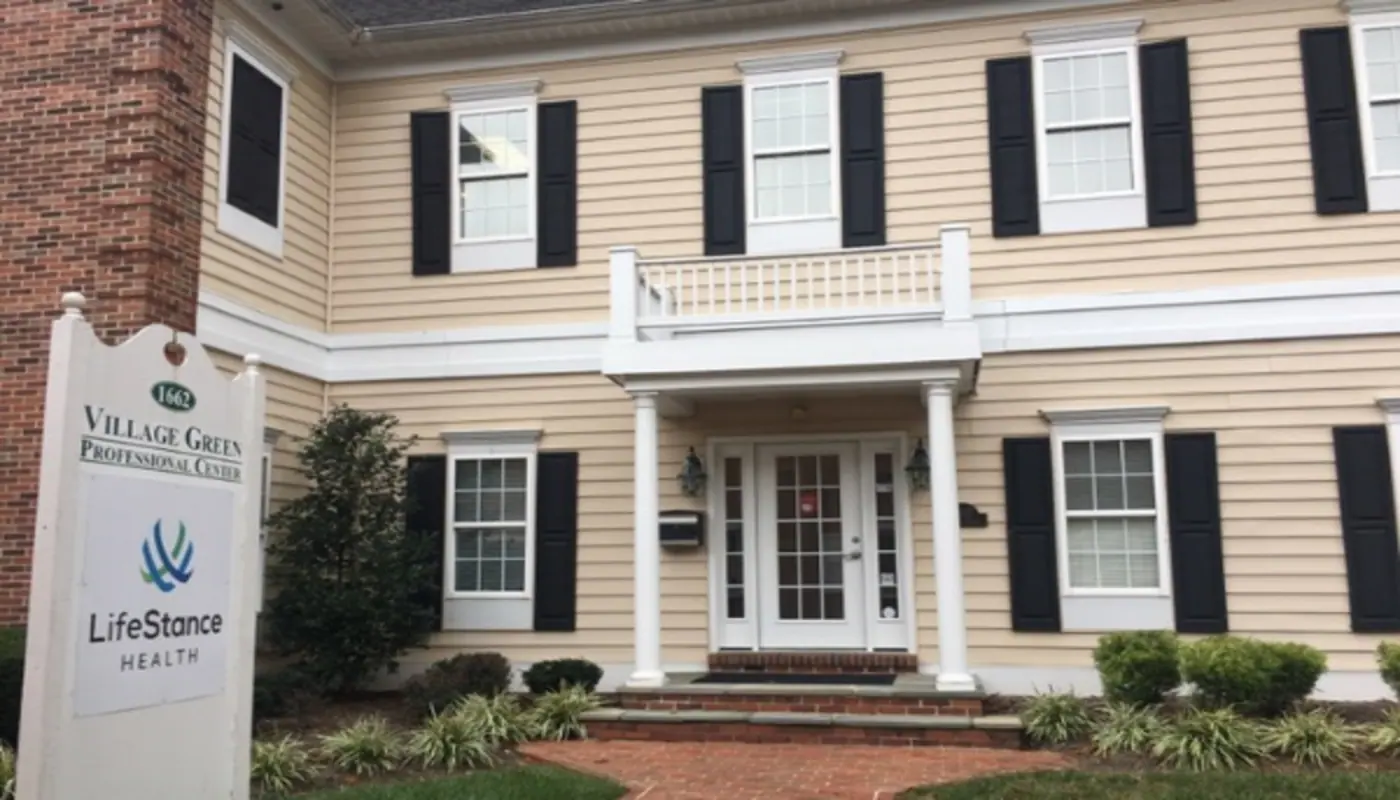
lifestance health crofton is an outpatient mental health and addiction treatment clinic.
30 days
View facility -
- Outpatient
- Residential Rehab
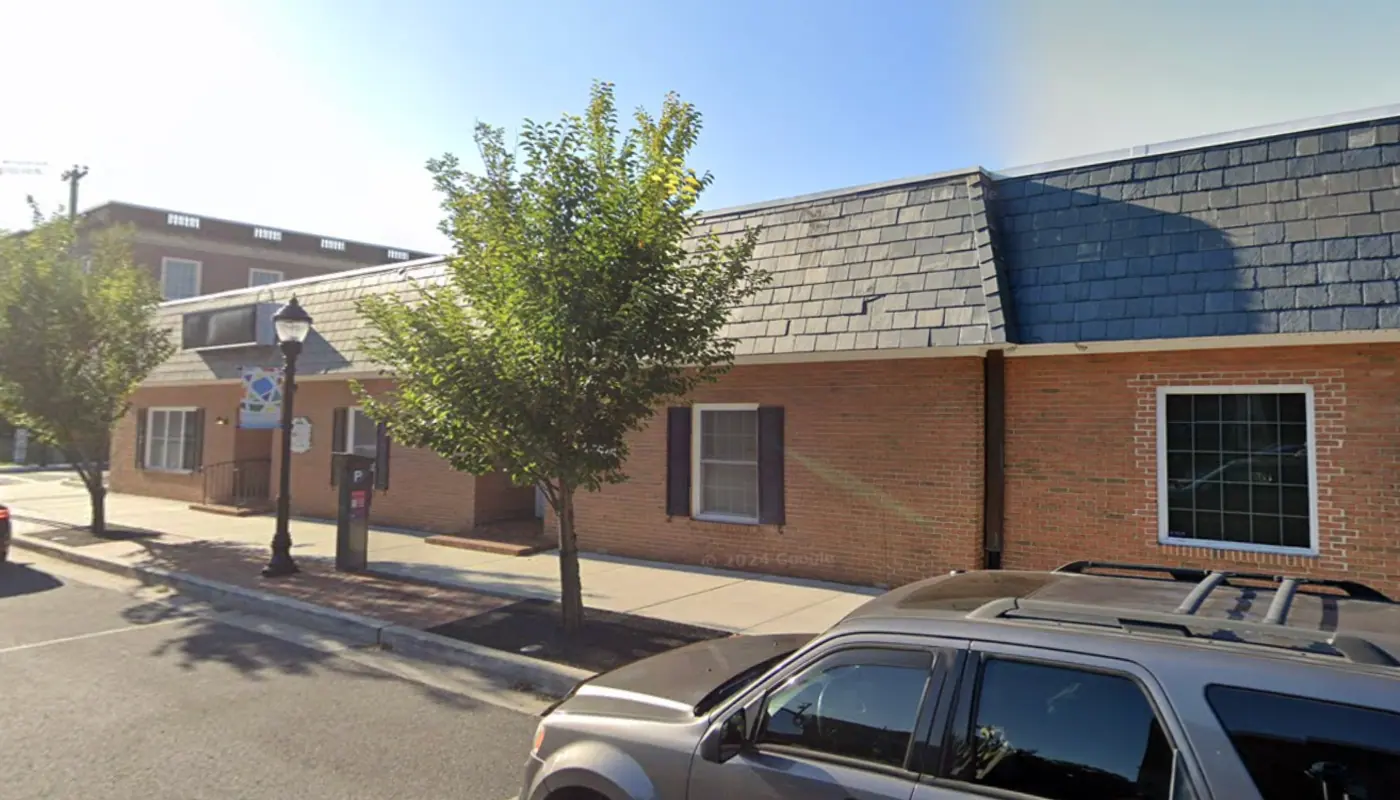
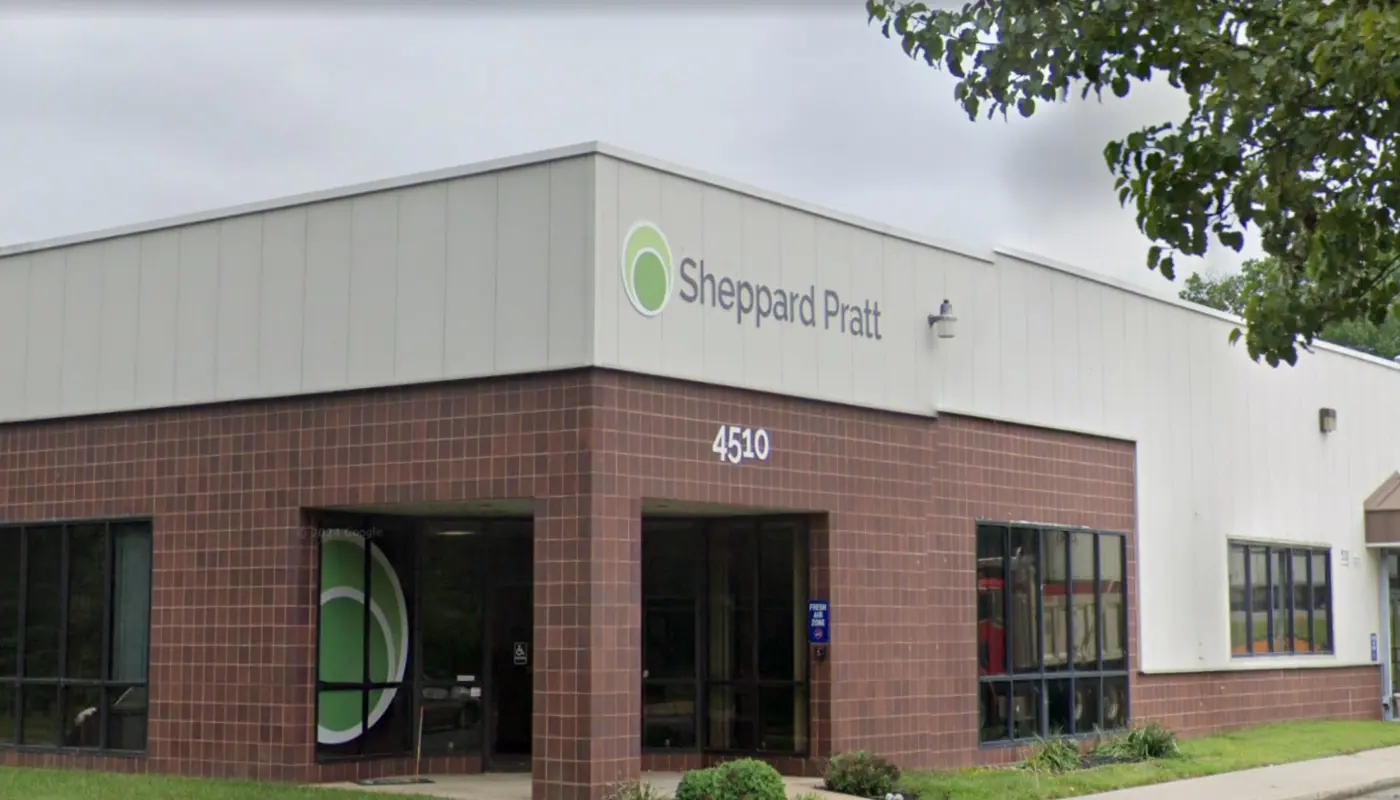
HealthPort Salisbury is a Maryland rehab center offering residential and outpatient care.
30 days
View facility -
- Outpatient
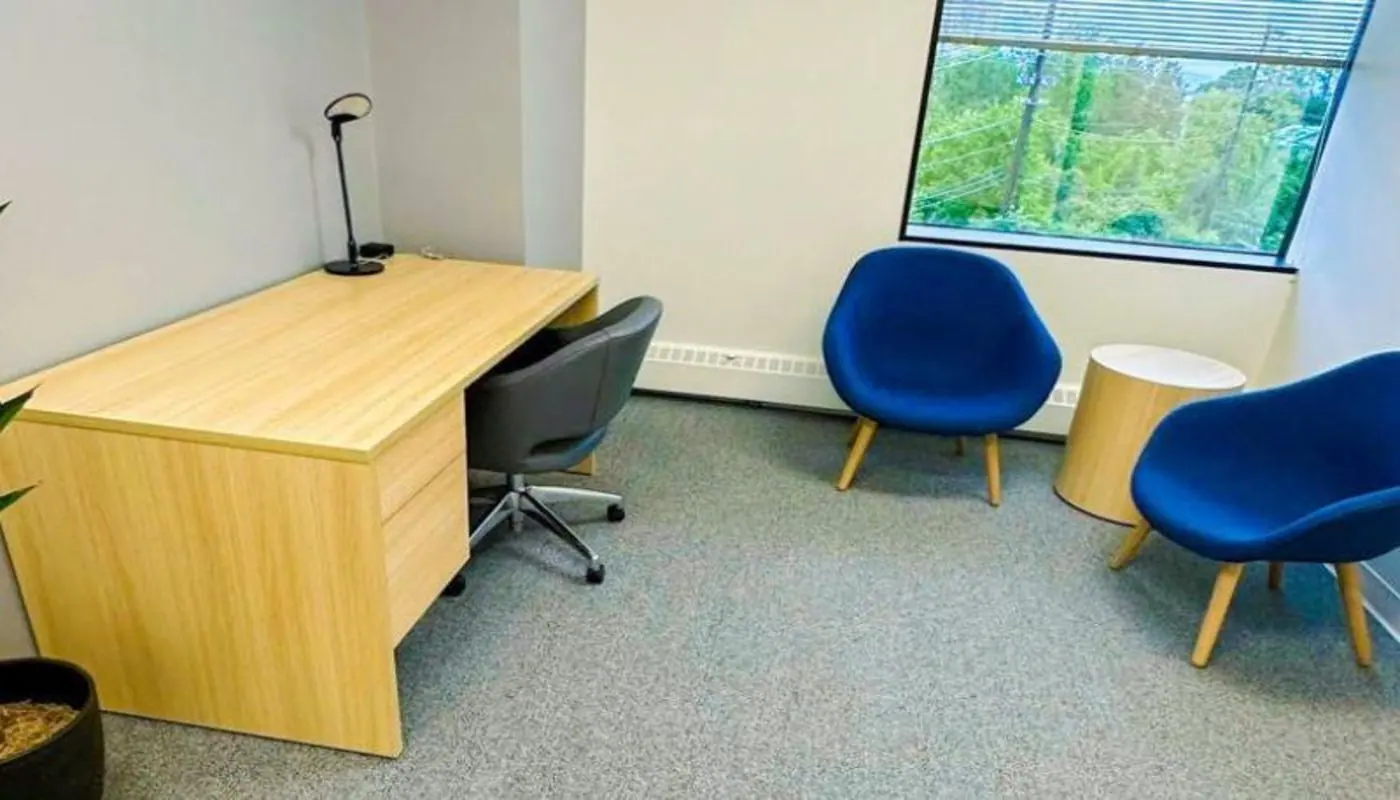
The Sheppard Pratt Belcamp Day Program Belcamp is an outpatient option on Wharf Point Court.
5 days
View facility -
- Co-Occurring Mental Health
- Outpatient
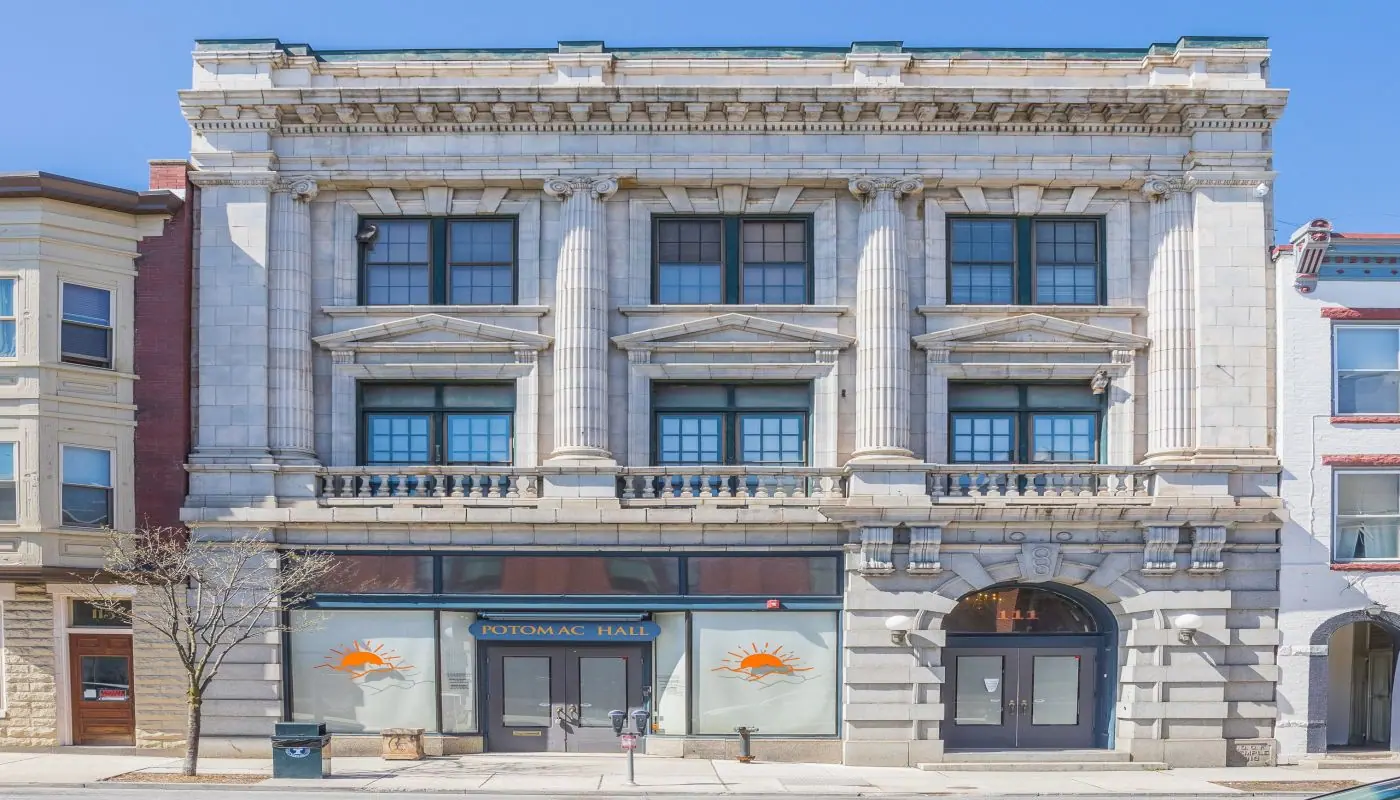
Columbia Associates North Bethesda Rockville provides outpatient alcohol rehab in Rockville, Maryland.
30 days
View facility -
- Accredited by the Joint Commission
- Co-Occurring Mental Health
- Outpatient
- Residential Rehab
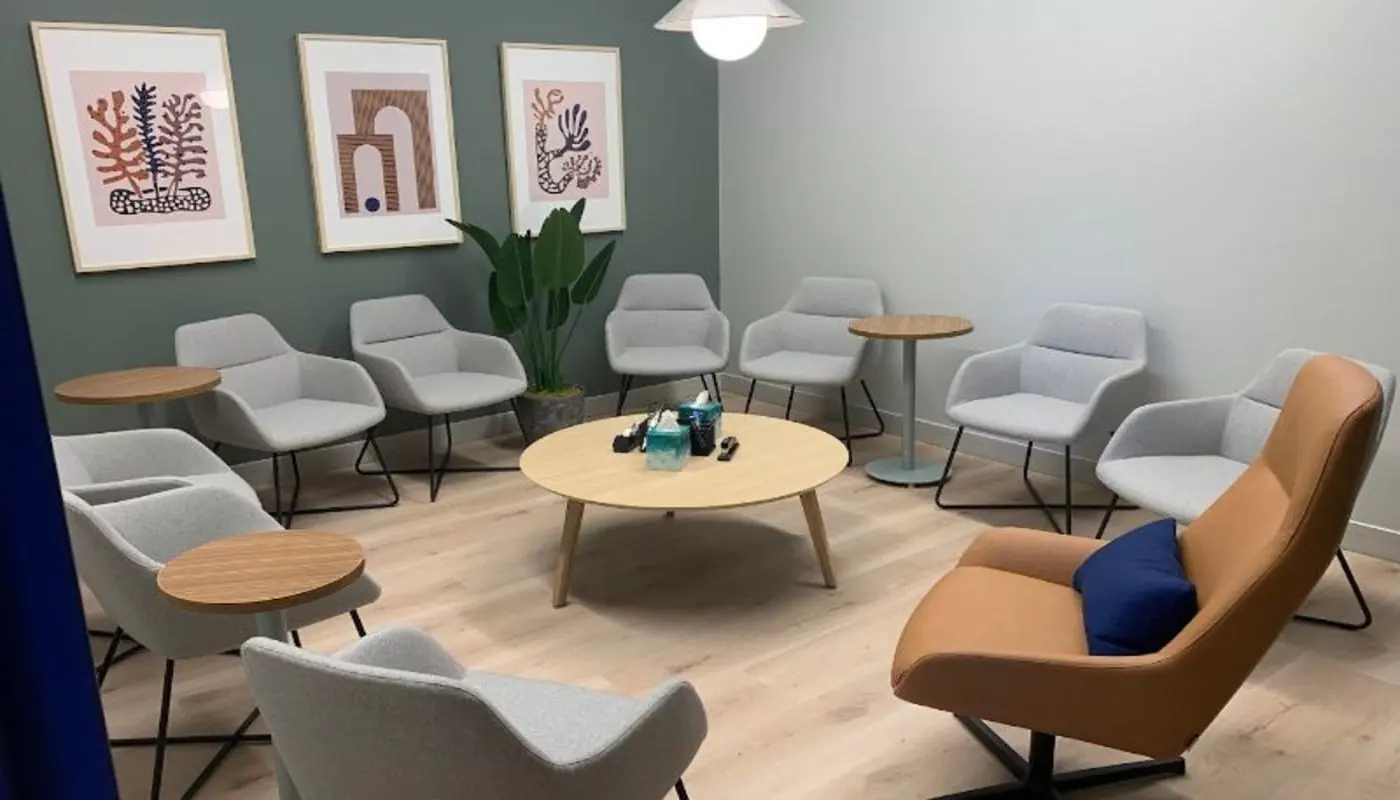
TruHealing Hagerstown is a residential alcohol rehab located in Hagerstown, MD.
30 days16-30 beds
View facility -
LifeStance Health Annapolis is an outpatient clinic for alcohol and mental health concerns.
30 days
View facility

Treatment and medications for AUD
Alcohol use disorder is a medical condition, and its treatment often brings together counseling, support groups, and medications; in Maryland, 213 facilities offer at least one FDA-approved medication for alcohol use disorder. With 213 facilities offering alcohol use disorder medications, help is within reach. Drugs such as naltrexone, acamprosate, and disulfiram can ease cravings or make drinking less appealing. If medication is on your mind, speak with a healthcare provider about which one suits your health history. Medication-assisted treatment is offered at 213 facilities across Maryland. Behavioral therapies, including cognitive-behavioral therapy, help you build coping skills. If you have both alcohol and opioid use disorder, then medications for opioid use disorder are offered at 83 opioid treatment programs. Support groups and aftercare planning can help you hold onto progress. For comprehensive care, pair medication with counseling and support. The helpline can connect you with programs providing these services.
- that provide alcohol detox
- 63
- prescribe alcohol use medicine
- 213
- intensive outpatient
- 210
Maryland alcohol rehab levels of care
Maryland has several levels of care for alcohol use disorder: 88 detox facilities, 110 inpatient and residential rehab programs, 74 partial hospitalization programs, 210 intensive outpatient programs, and 362 outpatient rehab centers. Maryland alcohol rehab centers include 362 outpatient programs for flexible care, and many people begin with an assessment to find the right fit. If you need support around the clock, residential or inpatient care may be appropriate, with 110 facilities listed. For those who need medical supervision during withdrawal, detox is available at 88 sites. With 88 medical detox facilities, Maryland provides supervised withdrawal management; a doctor or nurse should manage withdrawal because alcohol withdrawal can be dangerous. Partial hospitalization and intensive outpatient programs provide structured treatment while you live at home. Baltimore leads with 116 facilities, making it a hub for treatment in Maryland. When choosing a level of care, consider how severe your alcohol use is, your home environment, and your insurance coverage. For step-down support, 210 intensive outpatient programs in Maryland offer structured care. If your home is stable and withdrawal risk is mild, outpatient may work; if withdrawal is severe or you lack support, residential care might be safer. The right level of care can change over time, so regular reassessment is important.
Paying for alcohol rehab in Maryland
Throughout Maryland, 392 facilities take Medicaid, 292 take private insurance, and 361 take self-pay; 134 use sliding-fee scales and 81 provide financial assistance. Medicaid is accepted at 392 alcohol rehab facilities in Maryland, and because the state expanded Medicaid under the Affordable Care Act, more people may qualify. With private insurance, federal parity rules require most insurers to pay for substance use treatment largely as they do medical care. Since 292 facilities take private insurance, coverage is common, though you should confirm benefits. For people without insurance, sliding-fee scales at 134 facilities and financial assistance at 81 can bring costs down. Free options exist, with 3 facilities offering no-fee care and 97 using block grants. The federal parity law can back an appeal when coverage is denied. When you call a facility, ask which insurance it takes and whether discounts are offered. If you have no insurance, start by asking about Medicaid eligibility and sliding fees. The helpline can help you weigh your choices with no commitment. With 392 facilities accepting Medicaid, plenty of low-cost choices exist.
- take Medicaid
- 392
- work with private insurance
- 292
- take Medicare
- 259
- use a sliding scale
- 134

Alcohol rehab near you in Maryland
Baltimore has the most treatment options with 116 facilities, then Frederick with 16, Hagerstown with 12, and Glen Burnie with 11; other areas such as Westminster, Elkton, Rockville, and Cumberland each have around 9 to 10 facilities. Baltimore offers 116 facilities, making it the largest recovery hub in Maryland. If you live in a rural area, you may need to travel or consider telehealth, which is available at 357 facilities. Telehealth is offered at 357 facilities, expanding access across Maryland. When looking for rehab near you, consider location, transportation, and whether family can visit. With facilities spread across the state, you can find support close to home. The helpline can help you identify programs in your area. If you need to stay near family, then look for facilities in your county. Many facilities offer outpatient services that let you remain at home.
Assess your needs
Take a moment to consider your drinking patterns, any withdrawal symptoms, and your support system. A healthcare provider can help evaluate the severity of alcohol use disorder and recommend a level of care.
Check your coverage
Review your insurance plan or Medicaid coverage. Ask about in-network providers, deductibles, and prior authorization. If uninsured, inquire about sliding-fee scales or state-funded programs.
Call the helpline
Talk with a treatment advisor who can answer your questions, explain the choices, and help you find programs. The call is free, stays private, and requires nothing of you.
Begin treatment
Once you choose a program, schedule an intake appointment. Be prepared to discuss your medical history and goals. Follow the program's recommendations for detox, therapy, or medication.
Frequent answers
How much does alcohol rehab cost in Maryland?
Cost varies widely by level of care and payment method. In Maryland, 361 facilities accept self-pay, and 134 offer sliding-fee scales. Medicaid is accepted at 392 facilities, and private insurance at 292. Financial assistance is available at 81 facilities, and 3 offer care at no fee. The helpline can help you understand costs and coverage.
Does Maryland Medicaid cover alcohol rehab?
Yes, Maryland Medicaid covers substance use treatment, and 392 facilities in the state accept Medicaid. Since Maryland has expanded Medicaid, more low-income adults may qualify. Coverage includes detox, residential, outpatient, and medications. Check with specific facilities about what they accept and any prior authorization requirements.
What is inpatient alcohol rehab like in Maryland?
Inpatient rehab provides 24/7 care in a residential setting, with 110 facilities in Maryland offering this level of care. It includes medical supervision, therapy, and support. Stays vary in length. Inpatient is often recommended for those with severe alcohol use disorder or a home environment that doesn't support recovery.
Are there free alcohol rehab options in Maryland?
Yes, some free options exist. Three facilities offer care at no fee, and 97 use block grants to provide subsidized treatment. Sliding-fee scales at 134 facilities can reduce costs. The helpline can help identify free or low-cost programs based on your location and needs.
How do I find a rehab near me in Maryland?
Maryland has 422 SAMHSA-listed facilities. Baltimore has 116, Frederick 16, Hagerstown 12, Glen Burnie 11, and several others around 10. Telehealth is available at 357 facilities, which can expand access. The helpline can match you with programs in your area.
What medications are used for alcohol use disorder?
Medications such as naltrexone, acamprosate, and disulfiram are FDA-approved. In Maryland, 213 facilities offer at least one of these medications. They can help reduce cravings or discourage drinking. Medication is often combined with counseling. Talk with a healthcare provider to see if medication is right for you.
Take the next step toward recovery
Ring the free 24/7 helpline if you are ready to explore alcohol rehab in Maryland. A treatment advisor can answer your questions, check insurance options, and connect you with programs. The call stays private and requires nothing of you.