Maryland center for veterans education united states
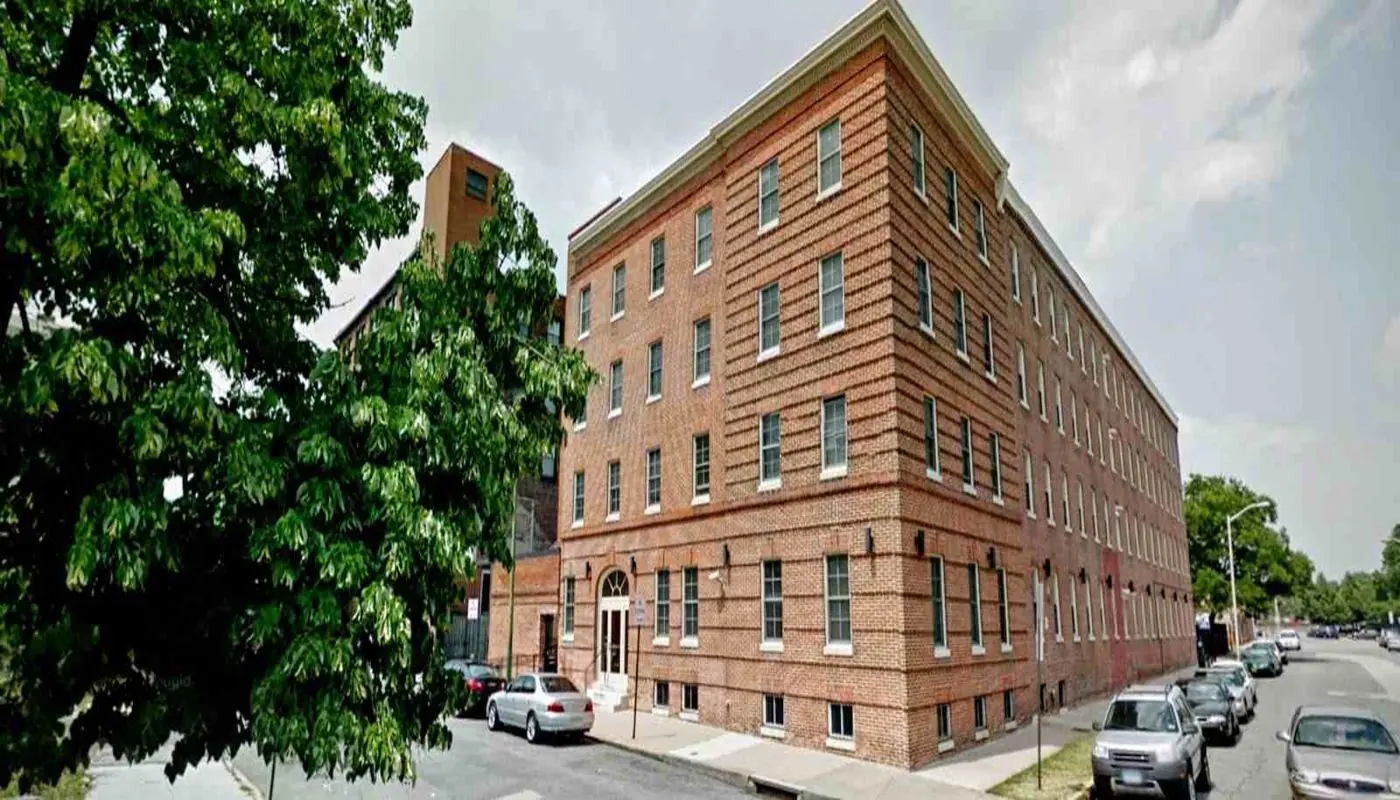
The Maryland Center for Veterans Education is a residential rehab located in Baltimore. There are 422 SAMHSA-listed substance use treatment facilities in Maryland, and this center is among them. Learn what it provides, whom it serves, and how to inquire about cost.
- Residential Rehab
- 30 days
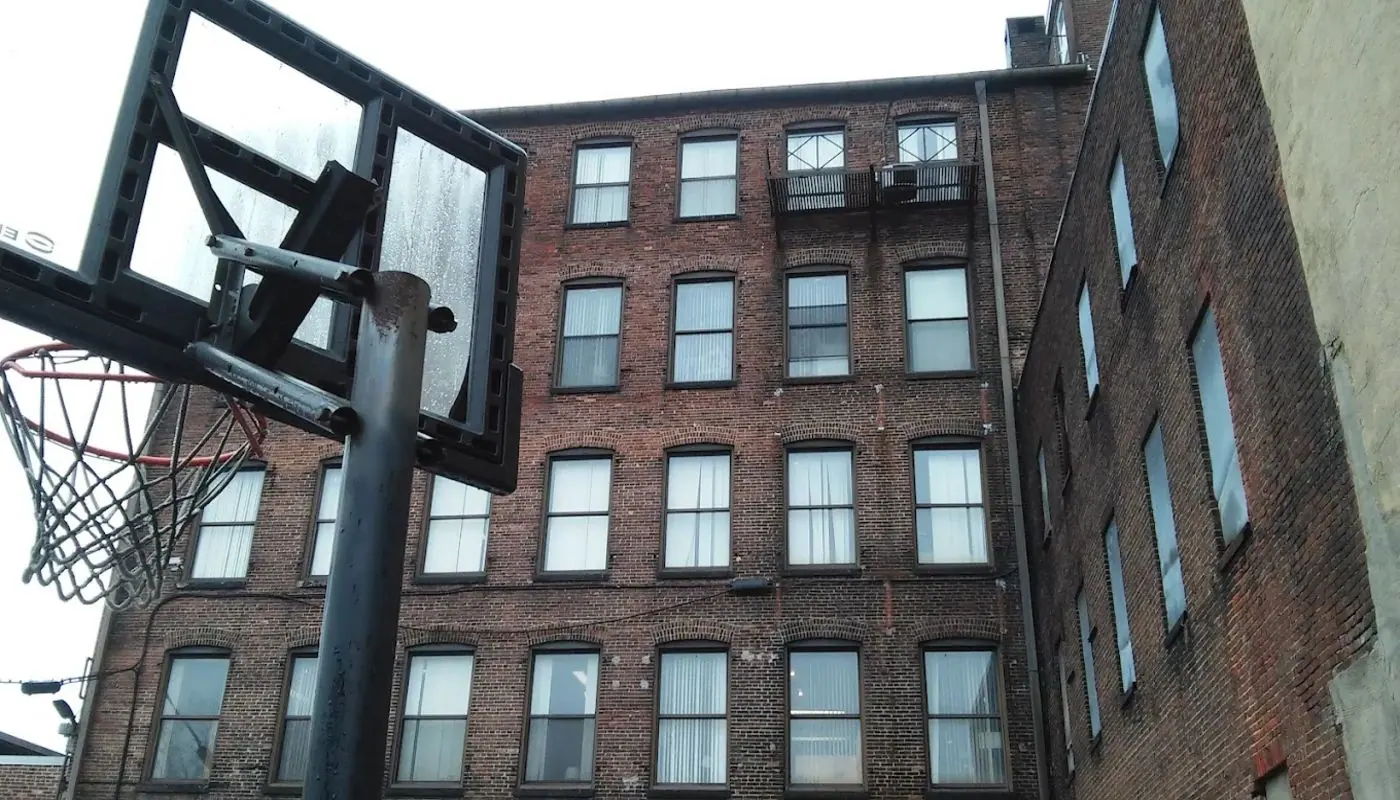
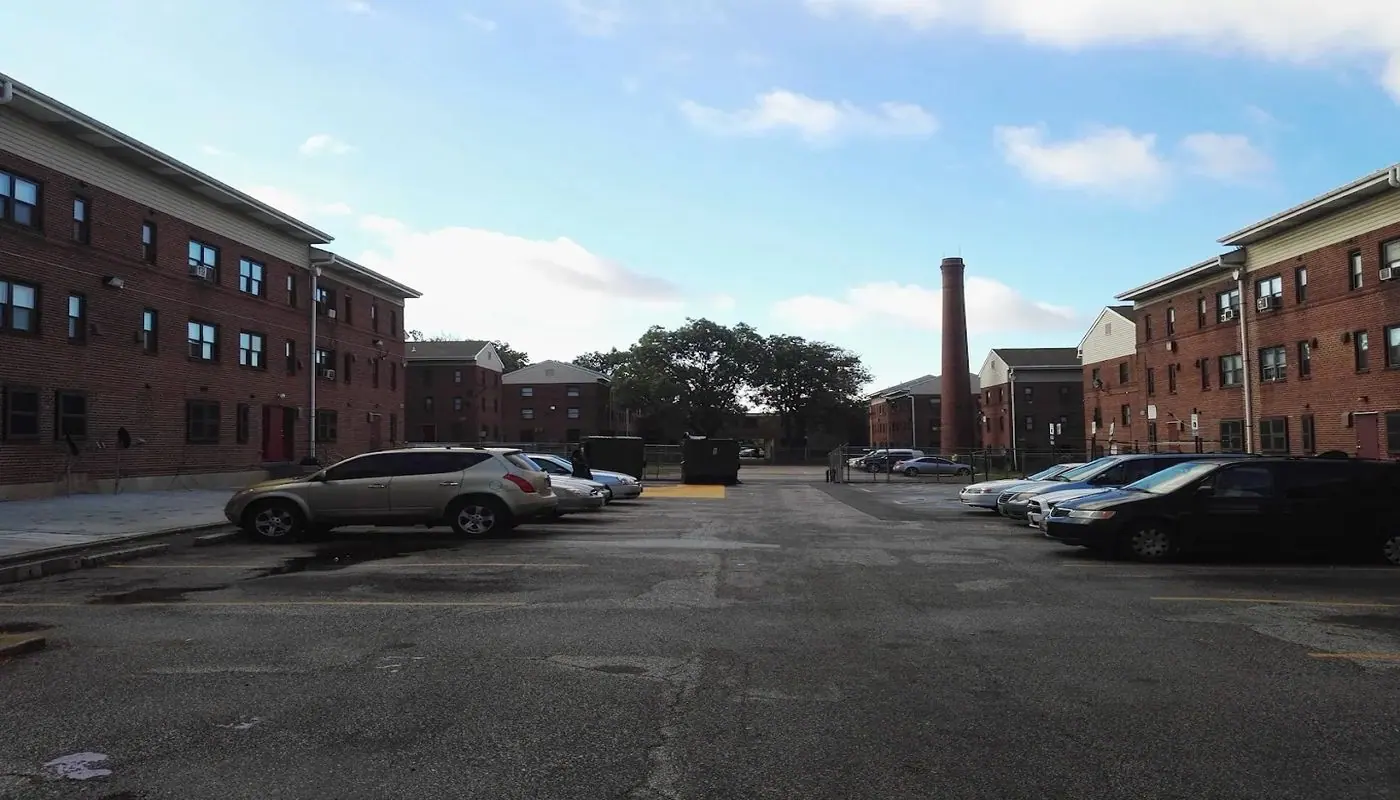
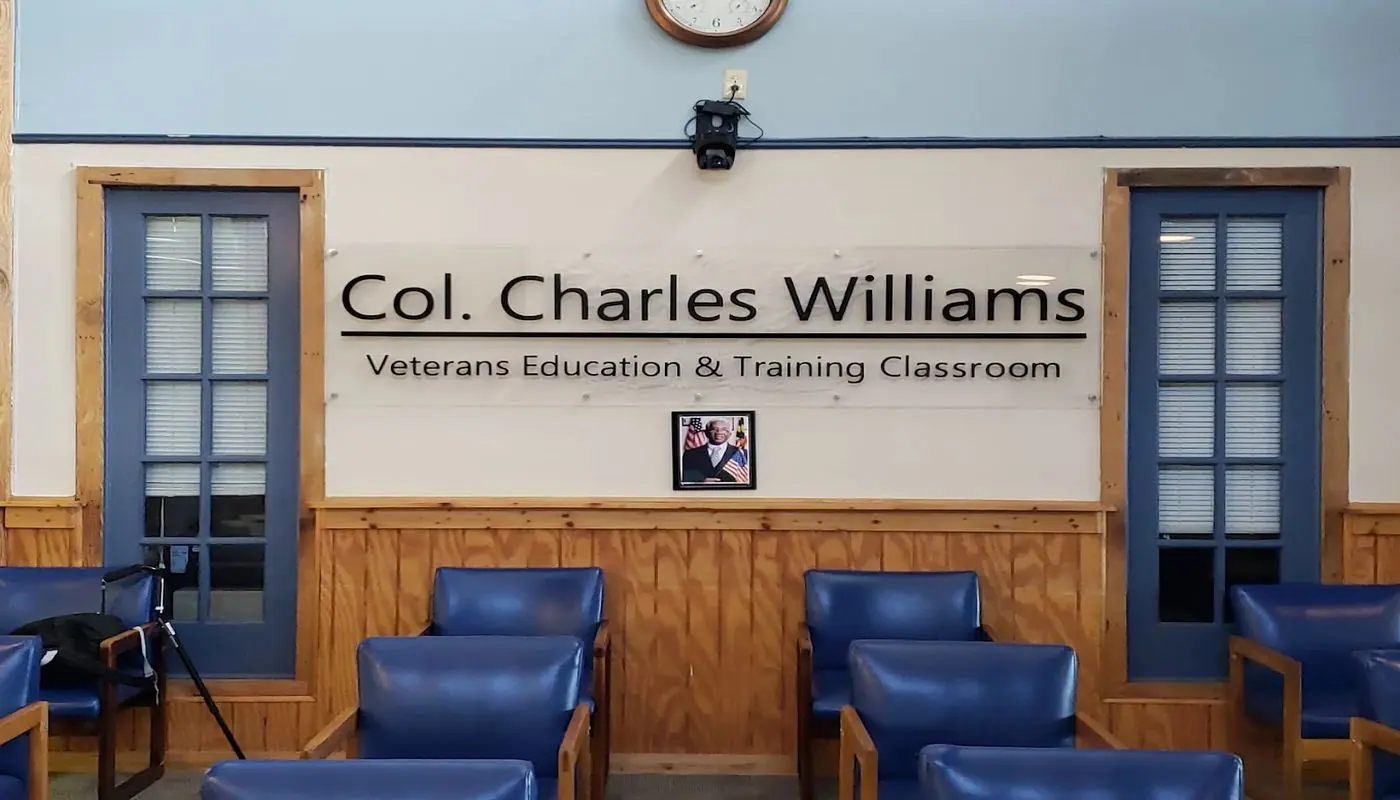
MCVET has operated on North High Street in Baltimore since 1993, and its housing comes in three forms: emergency, transitional, and long-term. The people it serves are veterans facing a substance use disorder, post-traumatic stress disorder, or homelessness, often more than one at a time. Staff pair each resident with case management, so the plan follows the person rather than a fixed script.
Daily life mixes treatment with steadying routines. Group programming and relapse prevention counseling are offered together with crisis counseling, and residents may join AA or NA meetings without leaving the grounds. A therapeutic community is part of the center's approach, along with twelve step facilitation, so peer support and mutual-aid practices shape much of how the house runs.
For veterans who do not live on site, day treatment and outpatient programming keep structure in the week while leaving room for work and independence. The wider goal is steady: address trauma, rebuild confidence, and move toward employment and housing that hold up over time.
Maryland Center for Veterans Education
This center lists residential rehab as its level of care, with a typical program of 30 days and capacity for 31-50 beds. At MCVET in Baltimore, residential rehab gives veterans a 31-50 bed setting and a 30-day typical stay. Veterans in other areas can access outpatient and day treatment options.
Therapy at MCVET covers individual counseling, couples counseling, family therapy, and group work, with life skills and psychoeducation rounding out the week. Trauma-specific therapy and relapse prevention counseling sit alongside twelve step facilitation. Veterans can combine trauma-specific therapy with relapse prevention counseling at this Baltimore center. No more than a few of these run at once for any one person, which keeps the schedule workable.
- Family Therapy
- Relapse Prevention Counseling
- 1-on-1 Counseling
- Trauma-Specific Therapy
- Individual Treatment
- Group Therapy
- Couples Counseling
- Therapeutic Community
- Twelve Step Facilitation
- Twelve Step
Who the Baltimore veterans center serves
- Veterans, both men and women, including those navigating homelessness
- People with alcohol use disorder, drug addiction, or chronic relapse
- Veterans with dual diagnosis care such as post traumatic stress disorder
- People working through anger, stress, or trauma
- Veterans who need emergency or transitional housing before longer-term stability
Setting near Baltimore's Inner Harbor
You will find the building at 301 N High St, a short distance from the Inner Harbor, with bus and rail access and streets you can walk. Situated in Baltimore close to the Inner Harbor, the center is simple to get to on public transit. Emergency housing, transitional housing, and long-term housing share one address, so when circumstances shift, a veteran stays put rather than beginning again elsewhere.
Paying for MCVET rehab in Maryland
Cash pay rates are listed among the center's payment options, and cost questions are best settled by calling the center directly before anything else. If you want to know what a 30-day stay costs, then ask the center about cash pay rates first. Maryland Medicaid coverage and other benefits are worth raising in that same call, since eligibility depends on your situation and the center can say what it accepts. This site does not bill, admit, or arrange coverage.
Questions to ask MCVET directly
- How long is a typical stay, and is 30 days the standard or a starting point?
- Do you accept Maryland Medicaid or other coverage, and what do cash pay rates cover?
- What housing track fits me: emergency, transitional, or long-term?
- How do couples counseling and family therapy fit into the weekly schedule?
- What employment counseling and peer support are available after the residential phase ends?

Other options to consider
-
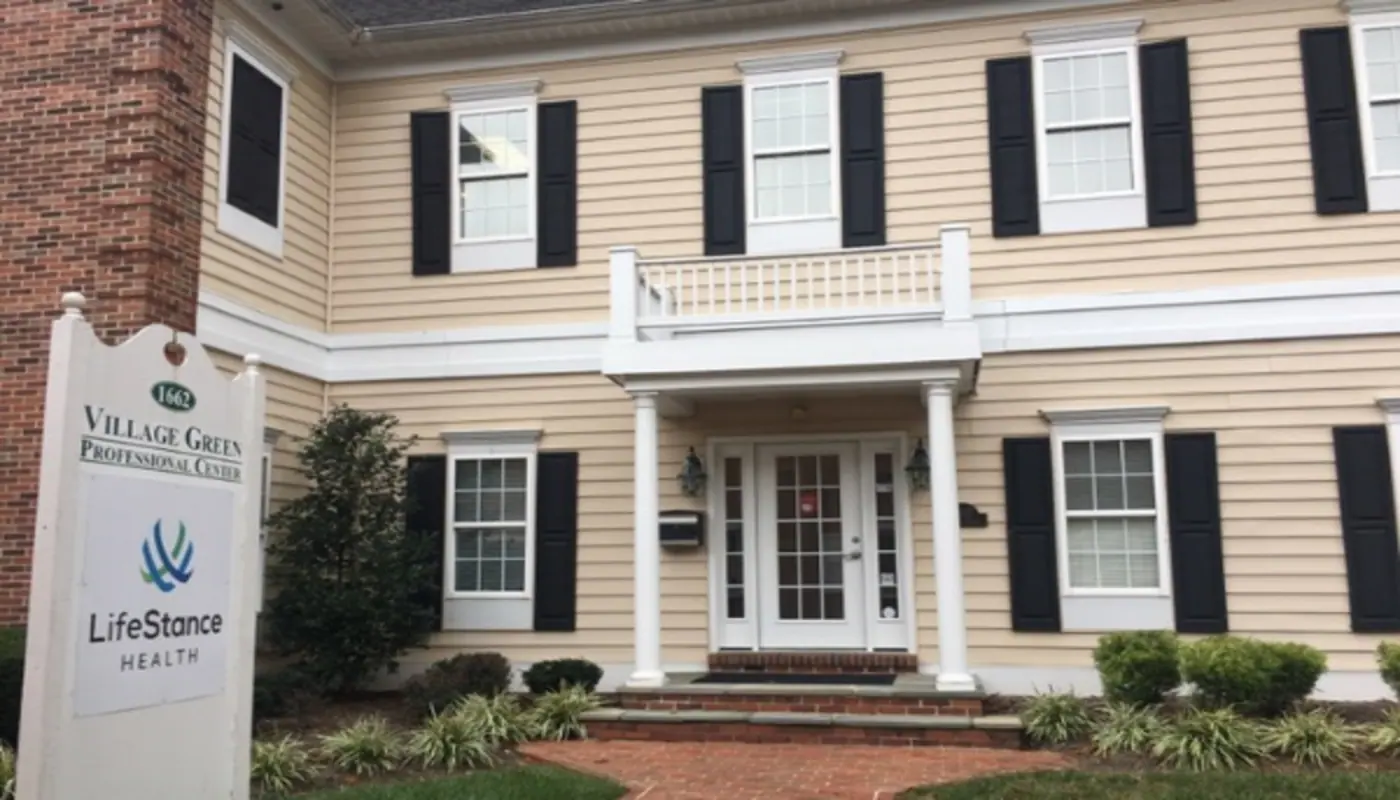
lifestance health crofton is an outpatient mental health and addiction treatment clinic.
30 days
View facility -
- Outpatient
- Residential Rehab
HealthPort Salisbury is a Maryland rehab center offering residential and outpatient care.
30 days
View facility -
- Outpatient
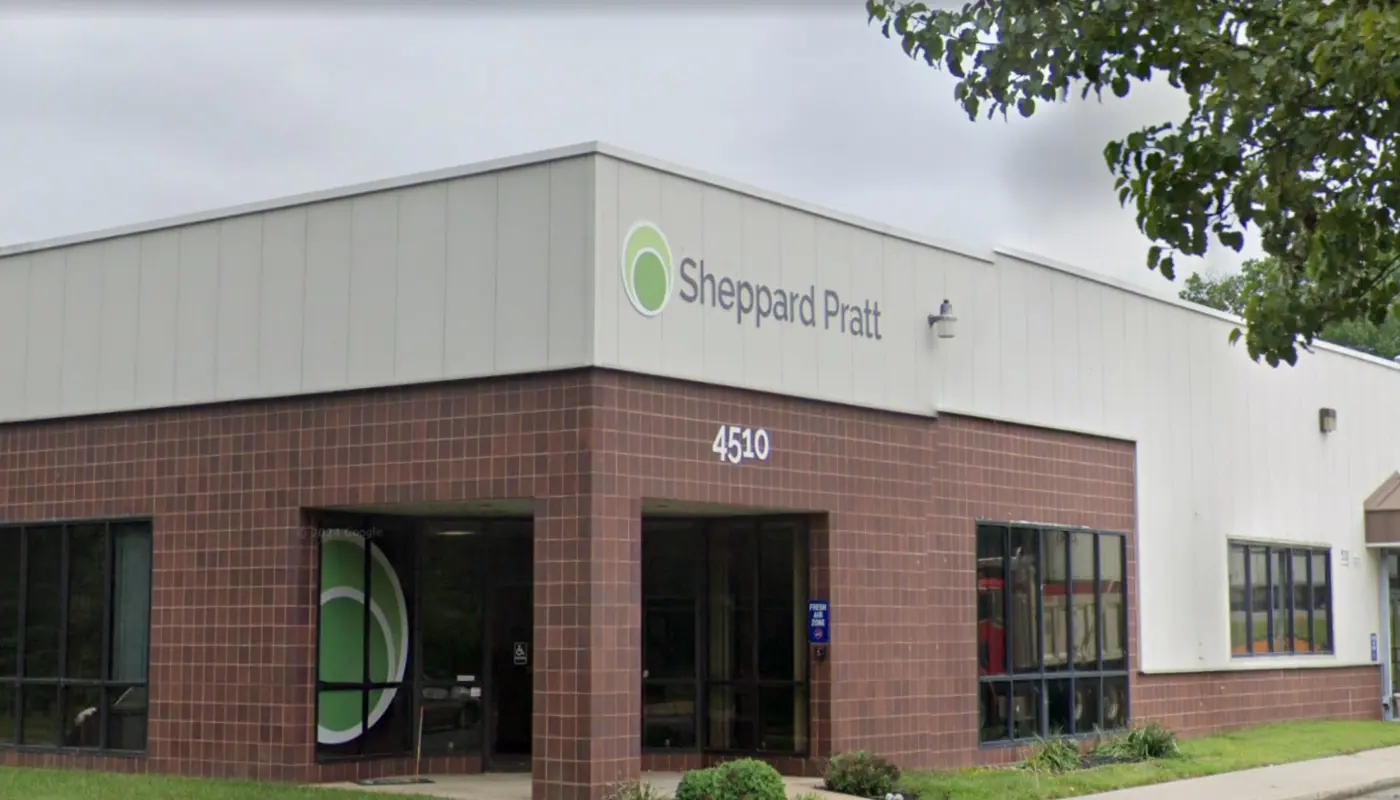
The Sheppard Pratt Belcamp Day Program Belcamp is an outpatient option on Wharf Point Court.
5 days
View facility -
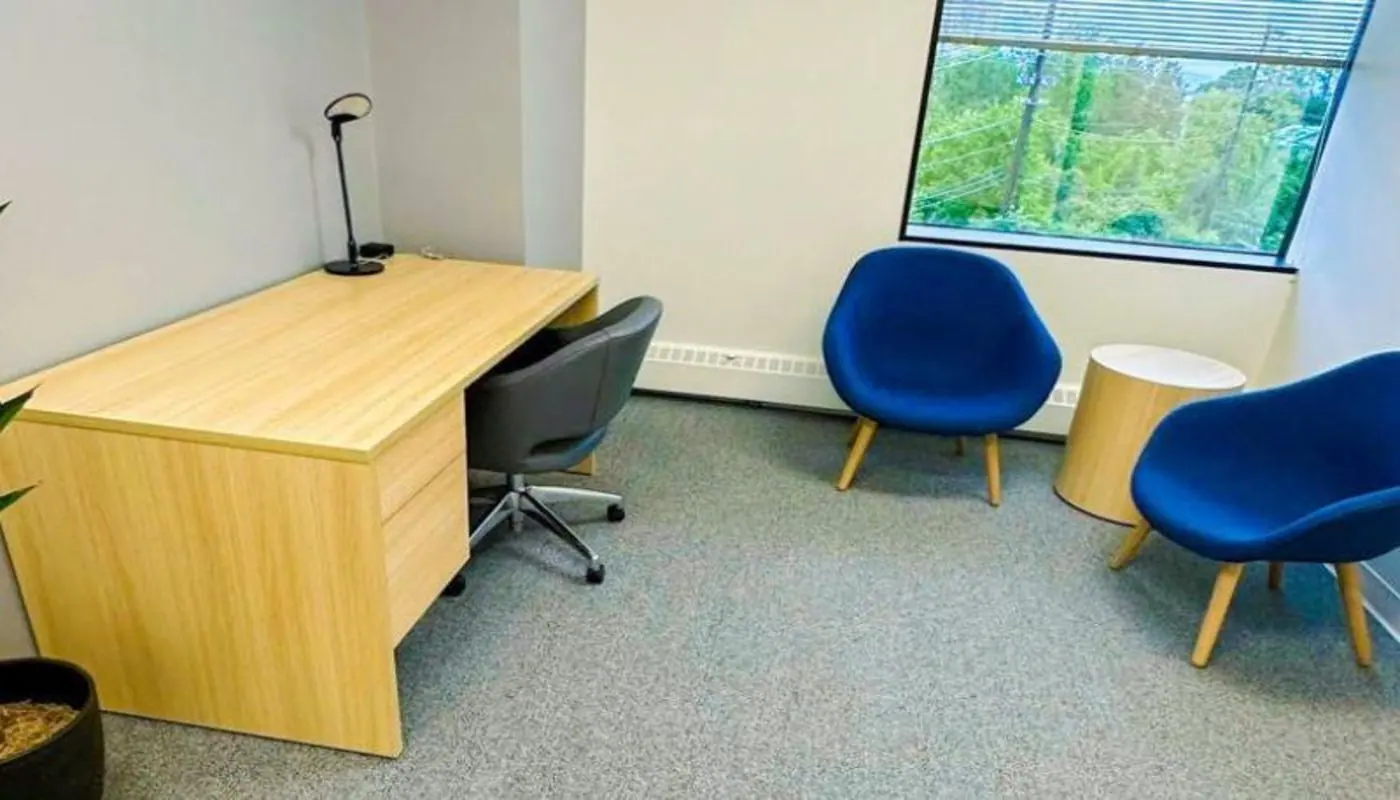
- Co-Occurring Mental Health
- Outpatient
Columbia Associates North Bethesda Rockville provides outpatient alcohol rehab in Rockville, Maryland.
30 days
View facility -
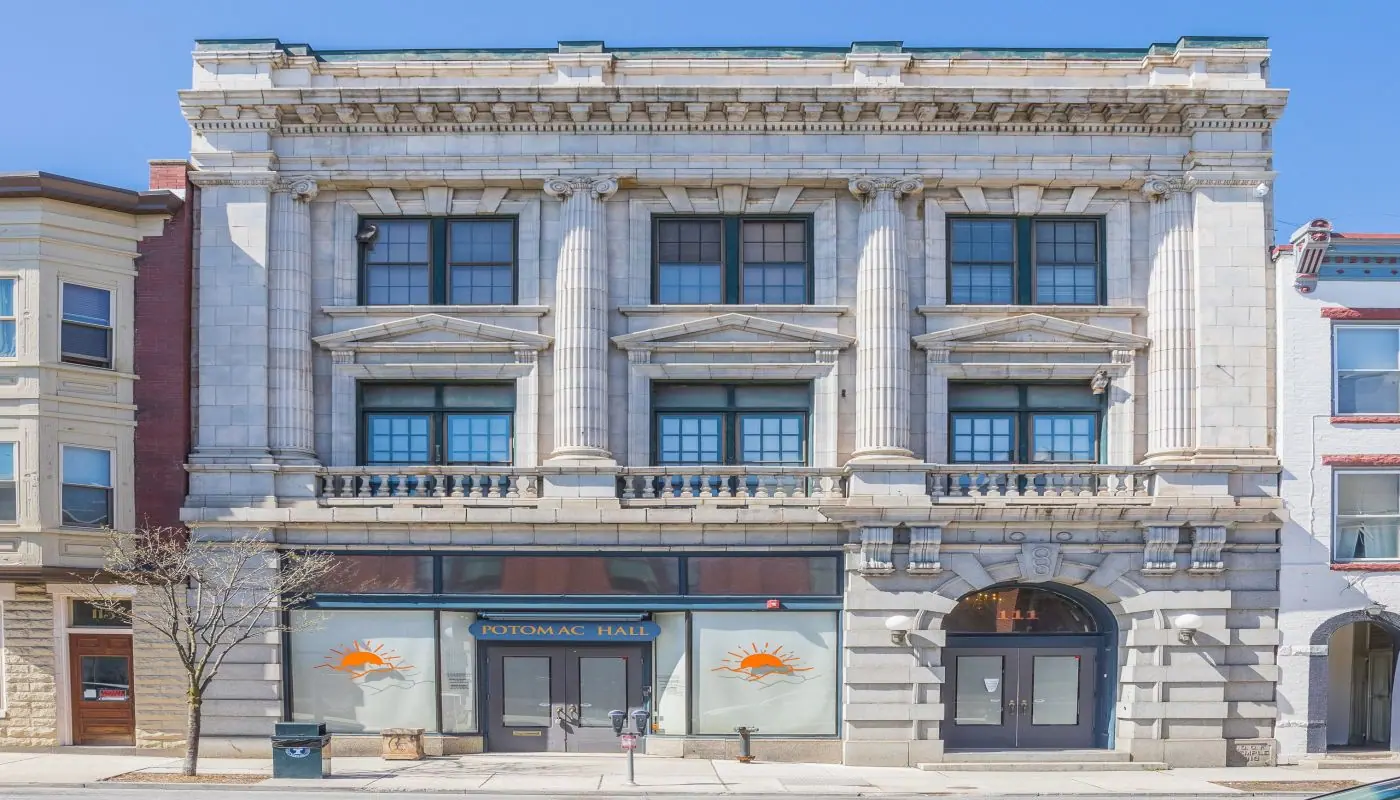
- Accredited by the Joint Commission
- Co-Occurring Mental Health
- Outpatient
- Residential Rehab
TruHealing Hagerstown is a residential alcohol rehab located in Hagerstown, MD.
30 days16-30 beds
View facility -
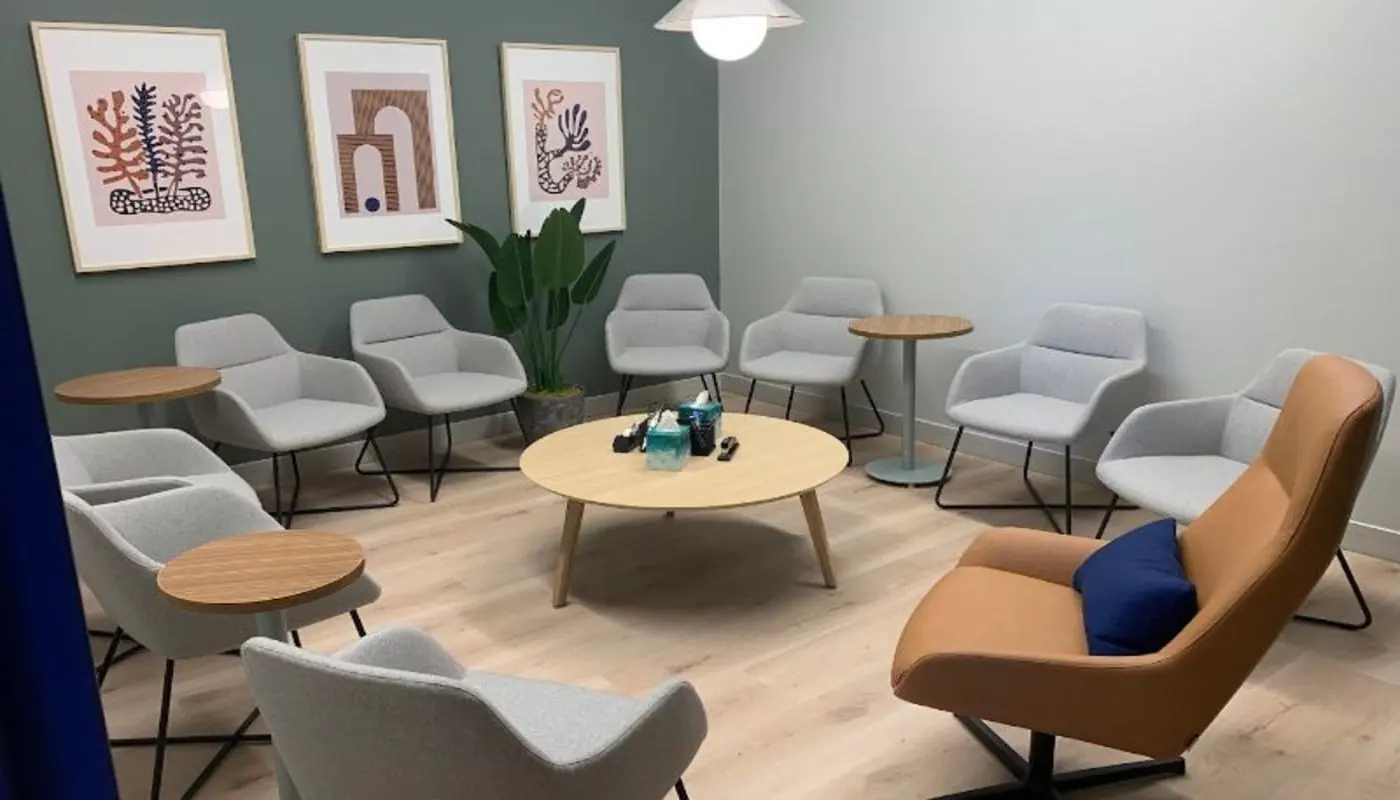
LifeStance Health Annapolis is an outpatient clinic for alcohol and mental health concerns.
30 days
View facility
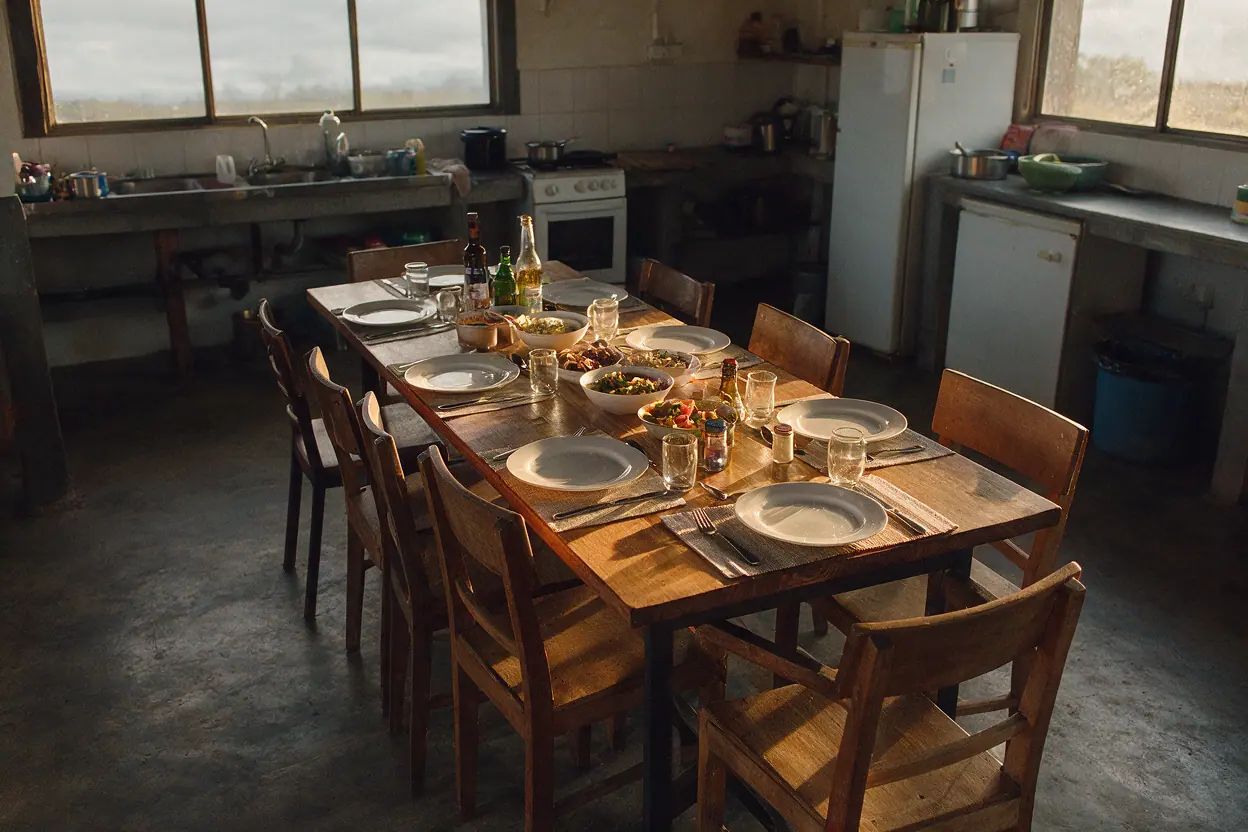
FAQ
How much does the Maryland center for veterans education united states cost?
The center lists cash pay rates rather than published prices, so only the center can quote a figure. Call and ask what a 30-day stay includes and whether any portion is covered for veterans. Coverage through benefits or Maryland Medicaid depends on your eligibility, and this site does not arrange or promise payment.
How does rehab work at this Baltimore residential program?
You live on site for a typical 30 days in a 31-50 bed setting, with case management and group programming through the week. Therapy includes individual and family counseling, trauma-specific work, and relapse prevention, and AA or NA meetings run on site. Veterans who do not reside there can use day treatment or outpatient care instead.
What are some residential rehabilitation programs in Maryland?
Maryland has 422 SAMHSA-listed substance use treatment facilities, and a portion of them offer residential care. MCVET is one residential option in Baltimore, focused on veterans and on housing. The FindTreatment.gov listings let you filter by level of care, so you can compare residential programs near you before calling any of them.
What is life like after this Baltimore program ends?
Its aftercare offerings include continuing care, employment counseling, and mentoring alongside peer support. Veterans may also be linked to job training in fields like IT and culinary arts or in peer recovery roles, along with assistance securing public benefits. Because housing status shapes what is available to you, bring it up early and find out whether transitional or long-term housing fits into your plan.
What is a residential rehabilitation program?
People in residential rehabilitation live at the facility and get structured treatment for substance use and mental health conditions. At MCVET, the typical stay is 30 days in a facility with 31-50 beds, and each day includes therapy, case management, and peer support. Residential care can offer a steadiness that outpatient programs might lack.
Next step for veterans in Maryland
If this Baltimore center sounds like a fit, call it directly with your questions about housing, cost, and timing. You can also reach our referral line once to talk through options and get pointed toward programs that match what you need. For veterans comparing rehab centers in Maryland, a short call to clarify cost and level of care comes first.