Outpatient alcohol treatment Maryland
Outpatient alcohol treatment in Maryland allows people with alcohol use disorder to receive care while staying at home. Statewide, 362 programs are SAMHSA-listed, so one is likely close by. The 24/7 helpline comes at no cost, stays confidential and binds you to nothing.
- programs in Maryland
- 362
- take Medicaid
- 337
- who take private insurance
- 258
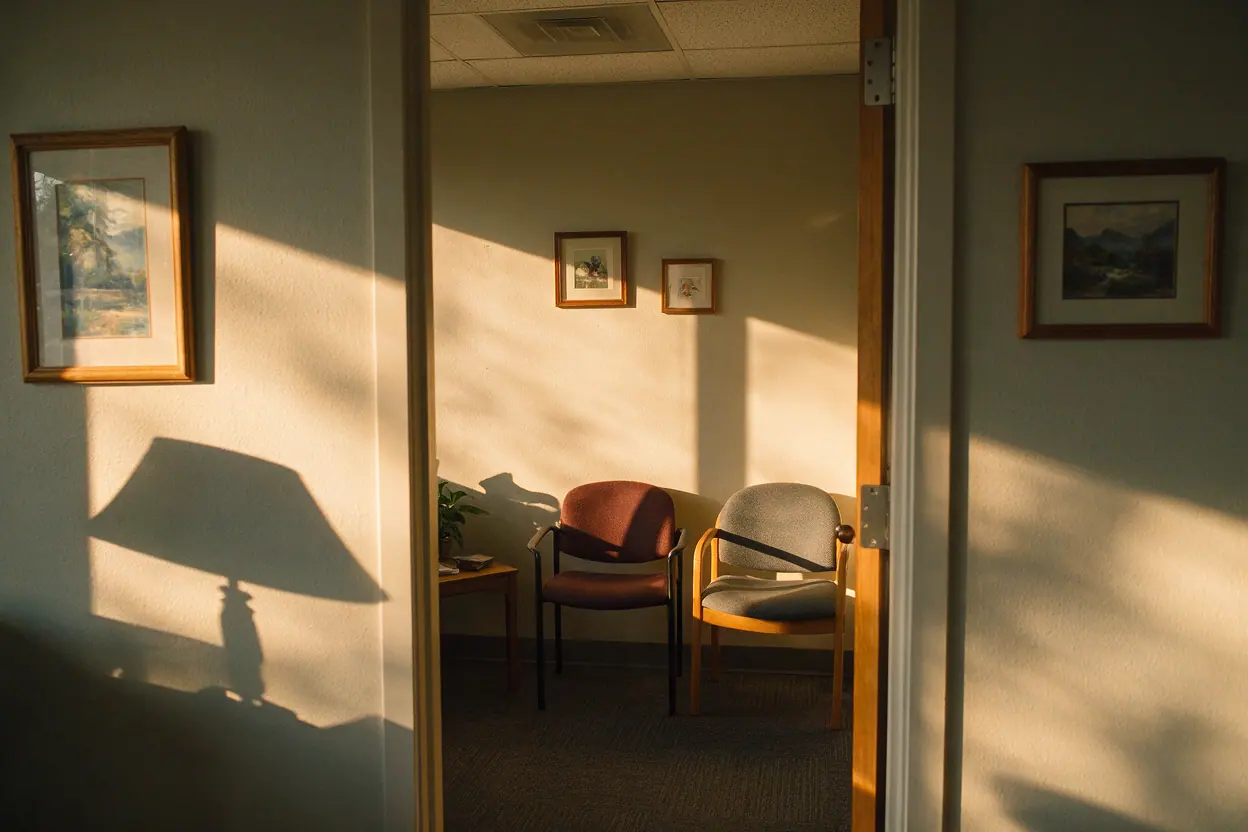
Outpatient alcohol treatment Maryland gives you a structured plan while you keep living at home. Sessions usually include individual and group counseling, and some programs offer medication-assisted treatment. Because you come and go, you can hold a job or care for family while you work on change. The number of visits depends on your needs; a typical plan might include a few sessions a week to start. The point is steady, real-life practice with support close by.
A day looks like showing up for a scheduled session, talking honestly about what is hard, and leaving with a concrete plan for the week ahead. You might attend a group, check in with a counselor, or meet with a prescriber for medication review. When you are new to recovery in Baltimore, a steady outpatient schedule lets you practice skills while sleeping at home. Some people step down from inpatient care; others start here. Many programs offer evening hours and telehealth, which helps if transportation or childcare is a barrier.
Who outpatient alcohol treatment fits
- If you can manage daily life at home, then outpatient treatment may be the right level. You may still have withdrawal risk, so medical advice comes first.
- When you prefer to keep working or caring for family, then outpatient rehab keeps treatment in the community. Sessions are scheduled around other responsibilities.
- If you need more than weekly counseling, then an intensive outpatient (IOP) program offers more hours. 210 Maryland facilities offer IOP as a step up or down.
- When you have both alcohol use and a mental health condition, then look for programs with dual-diagnosis care. 269 of the state's outpatient programs offer this.

What to expect in outpatient treatment
An assessment
A counselor or clinician will ask about your drinking, health history, and goals. This is not a test you pass or fail. It sets the level of care that fits, which could be outpatient or something more intensive.
A treatment plan
You and your counselor agree on how often to meet and what to work on. A plan may include group counseling, individual sessions, medication, or education about alcohol use disorder. Your schedule is reviewed as you go.
Sessions that build skills
You practice handling triggers, making a plan for the week, and communicating with people who support you. Groups let you hear how others handle the same situations. Counselors adjust the pace, and attendance is expected.
Progress reviews and next steps
Staff at the program review whether your needs are being met and may suggest increasing or reducing care. Some people move to fewer sessions; others may need added support or medical detox. When withdrawal symptoms worsen, oversight by a clinician matters.
Paying for outpatient treatment
If payment is unclear, ask a treatment advisor about insurance, Medicaid, and sliding fees before you contact a program. Among the state's 362 outpatient programs, 337 accept Medicaid and 258 take private insurance. The helpline never bills you and makes no promise of coverage; advisors help you weigh options. If you work and have insurance, the federal parity law may apply to substance use disorder coverage. Calls to the helpline are free and confidential, and you commit to nothing by calling.


Outpatient alcohol treatment programs
Maryland has 362 outpatient alcohol and drug treatment programs listed by SAMHSA. Of these, 337 accept Medicaid, 258 accept private insurance, and 243 accept Medicare. Sliding-fee options are available at 120 programs. If you are in Baltimore or elsewhere in the state, you can filter by location and payment when you call the helpline. When you need a program but worry about cost, then start with the ones that accept Maryland Medicaid. The state expanded Medicaid, so more people qualify than might expect.
Many Maryland programs offer telehealth, which helps when a clinic is far away. Telehealth is offered at 324 outpatient programs, and 48 provide services in Spanish. If you worry about losing coverage, ask about a sliding fee scale before you enroll. The helpline can help you compare locations and payment options; calling is free, stays private, and puts you under no obligation.
- take Medicaid
- 337
- work with private insurance
- 258
- take Medicare
- 243
- use a sliding scale
- 120
| Center | Town | Offers | Takes |
|---|---|---|---|
| Ryan Rehabilitation LLC | Kensington | Outpatient | Medicare |
| Garrett County Health Department | Oakland | IOP, Outpatient | Medicaid, Medicare, Insurance, Sliding fee |
| Villa Maria of Mountain Maryland | Cumberland | Outpatient | Medicaid, Medicare |
| Allegany County Health Department | Cumberland | IOP, Outpatient | Medicaid, Insurance, Sliding fee |
| UPMC Western Maryland | Cumberland | Outpatient | Medicaid, Medicare, Insurance, Sliding fee |
| TidalHealth McCready Pavillion | Crisfield | Outpatient | Medicaid, Medicare, Insurance |
| Calvert County Behavioral Health | Prince Frederick | Outpatient | Medicaid, Medicare, Insurance, Sliding fee |
| BornFree Wellness Centers of America | Germantown | Outpatient, OTP | Medicaid, Medicare, Insurance |
| Starting Point | Brooklyn | Outpatient, OTP | Medicaid, Medicare |
| Serenity Health LLC | Aberdeen | Detox, Outpatient, OTP | Medicaid, Medicare, Insurance |
FAQ
How many outpatient alcohol treatment programs are in Maryland?
According to 2026 data, SAMHSA lists 362 outpatient programs in Maryland. Of those, 337 accept Medicaid and 258 accept private insurance. If you're seeking Maryland outpatient alcohol treatment options, the helpline can help narrow the list by how you would pay and by location.
Does outpatient alcohol treatment accept Medicaid in Maryland?
That is right. Maryland has 362 outpatient alcohol and drug treatment programs, and 337 of them take Medicaid. Because the state expanded Medicaid, more adults might qualify now. A counselor on the helpline can help you locate programs accepting Maryland Medicaid; the call is free, stays private, and puts you under no obligation.
How long does outpatient alcohol treatment last?
Outpatient care does not come in one fixed length. It can last anywhere from a few weeks to a number of months, shaped by what you need and how you are progressing. Your plan gets reviewed on a regular basis. If withdrawal symptoms show up, a doctor or nurse should manage your care and may suggest detox before you go on with outpatient treatment.
Can I keep working while in outpatient treatment?
People often do. Outpatient programs schedule sessions around work and family, and 324 of Maryland's outpatient programs offer telehealth. If you need more structure, intensive outpatient care offers more hours per week. The right level depends on your assessment, not on a fixed rule.
What should I do if I start to feel withdrawal symptoms?
Seek medical attention. Alcohol withdrawal can be dangerous, and symptoms can worsen quickly. A clinician can assess whether medical detox is needed before you continue outpatient care. The helpline can point you toward detox options; it does not diagnose or provide medical advice.
Does outpatient alcohol treatment in Maryland offer payment help?
A sliding fee scale based on income is offered at 120 outpatient programs in Maryland. Some of those same programs accept Medicare, which 243 outpatient programs overall take. Before you enroll, a counselor on the helpline can help you ask questions about cost. The call is free, and making it does not commit you to any treatment.
Find outpatient treatment in Maryland
When you want to weigh choices, call the free 24/7 helpline for a calm conversation. Advisors can check what is listed close to home and which programs accept your insurance or Medicaid. They do not diagnose people or guarantee admission, yet they can help you reach the next practical step.